

Skin Cancer is one of the most common types of cancer and develops when skin cells grow abnormally. Excessive exposure to ultraviolet rays from the sun or tanning devices increases the risk of developing skin cancer. People with fair skin, a history of frequent sunburns, or prolonged sun exposure may face a higher risk.
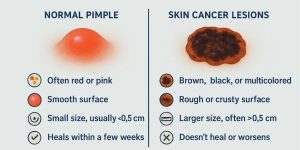
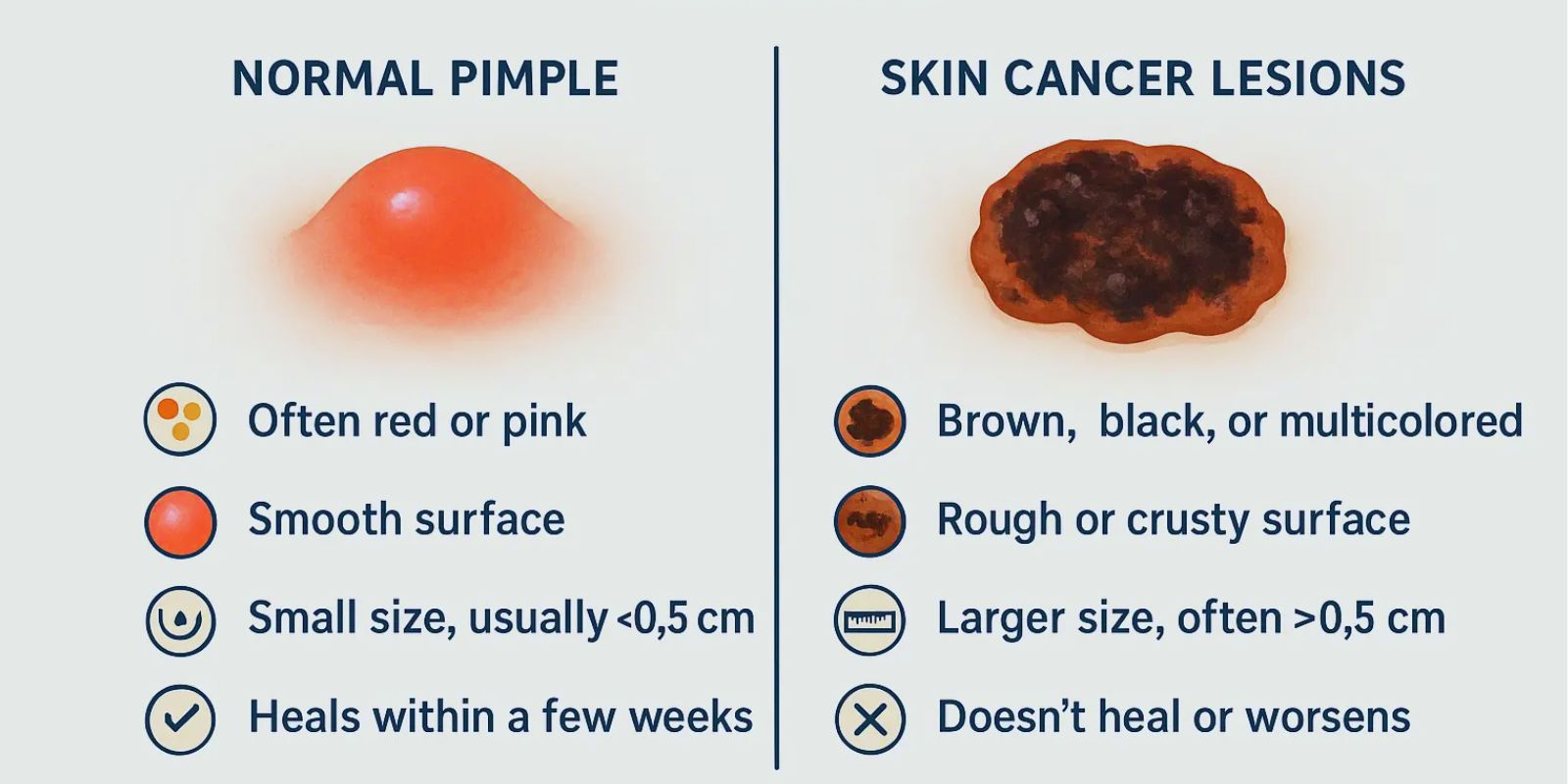
Common symptoms include new skin growths, unusual moles, sores that do not heal, and changes in the size, shape, or color of existing skin spots. Early detection helps improve treatment outcomes and supports better health management.
People can reduce their risk by using sunscreen, wearing protective clothing, and limiting direct sun exposure during peak hours. Regular skin examinations help identify suspicious changes early. Awareness of skin cancer symptoms and causes encourages preventive action and promotes healthier skin for the future.
Skin Cancer – Symptoms and Causes: Essential Information for Better Skin Health helps people understand one of the most common forms of cancer worldwide. Skin Cancer develops when skin cells grow abnormally and multiply without normal control. Early awareness helps individuals recognize warning signs and seek medical advice at the right time.
Excessive exposure to ultraviolet rays remains one of the leading causes of skin cancer. People who spend long hours under direct sunlight face a greater risk. Frequent sunburns also increase the chances of developing skin damage over time. Tanning beds expose the skin to harmful ultraviolet radiation and contribute to the risk as well. Individuals with fair skin, light-colored eyes, and a family history of skin cancer may face higher vulnerability.
Skin cancer often appears through visible changes on the skin. New growths, unusual moles, rough patches, and sores that fail to heal can signal potential problems. Changes in the color, size, shape, or texture of existing moles also require attention. Itching, bleeding, or tenderness around skin spots may indicate abnormal cell growth.
People can lower their risk through daily sun protection habits. Sunscreen helps protect the skin from harmful rays. Protective clothing, hats, and sunglasses provide additional defense during outdoor activities. Limiting sun exposure during peak daylight hours also supports skin health.
Regular skin examinations help identify unusual changes early. Individuals should monitor their skin and consult healthcare professionals if they notice suspicious growths or persistent skin issues. Early detection improves treatment options and supports better health outcomes.
Conclusion Skin cancer remains a serious health concern that affects millions of people worldwide. Understanding its causes and recognizing early symptoms can help individuals take action before the condition becomes more severe. Healthy habits such as using sunscreen, wearing protective clothing, and avoiding excessive sun exposure support long-term skin protection. Regular skin checks also help detect abnormalities at an early stage. Awareness and prevention remain key factors in reducing risks and maintaining healthy skin. For more informative articles about health, wellness, skincare, and disease prevention, visit DailyinfoRoom, your trusted source for educational content, practical guidance, and daily health information.