

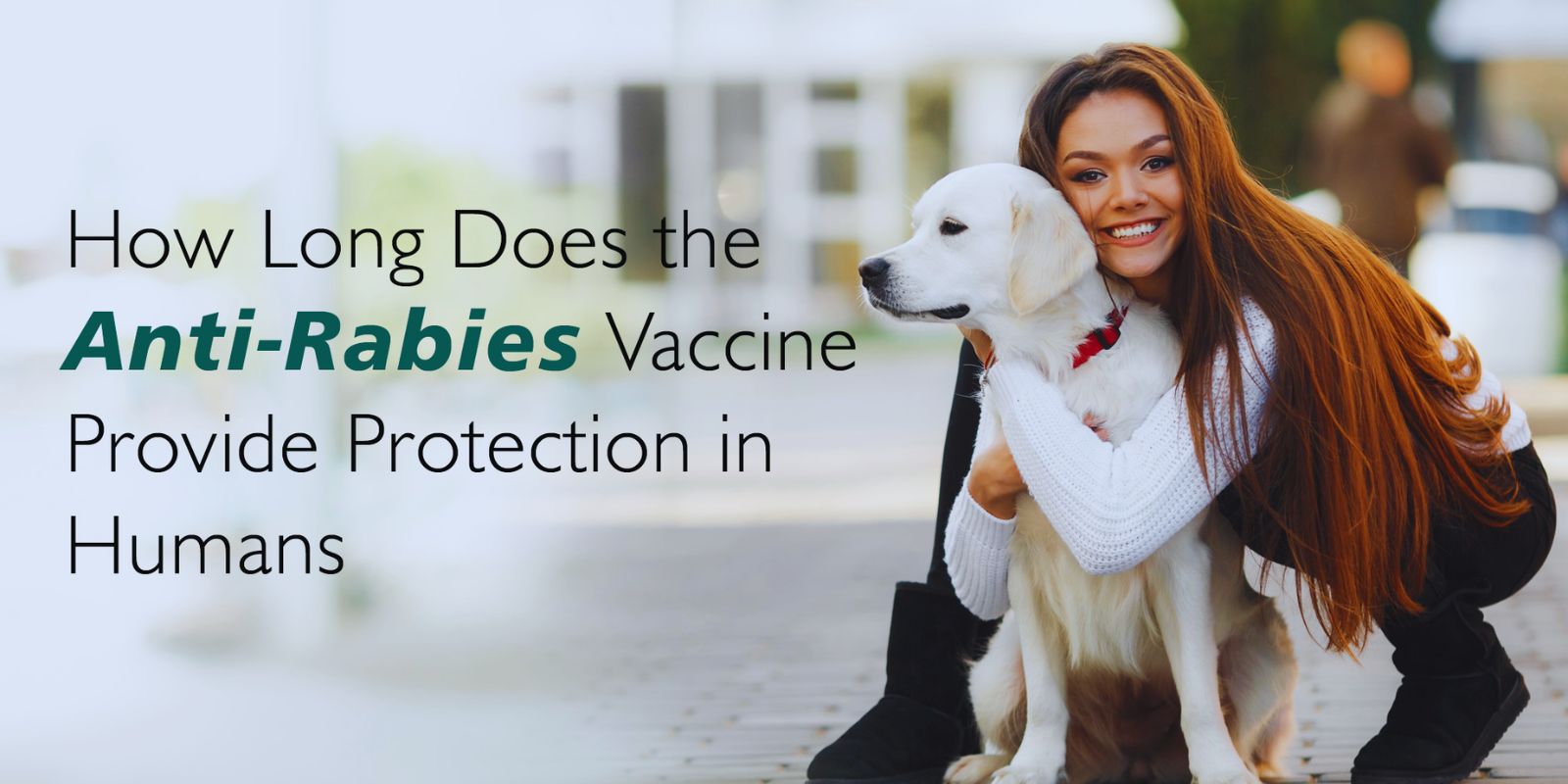
The Rabies vaccine plays a vital role in preventing rabies, a serious viral disease that affects the nervous system of humans and animals. Health professionals recommend the vaccine for people who face a higher risk of exposure, such as veterinarians, animal handlers, and travelers to certain regions. Doctors also administer the vaccine after animal bites or scratches when rabies exposure may occur.
The rabies vaccine helps the body develop immunity against the virus before it causes infection. Timely vaccination significantly reduces the risk of severe illness and saves lives. Medical experts consider rabies prevention one of the most effective public health measures because rabies becomes extremely dangerous once symptoms appear.
People should seek immediate medical advice after contact with potentially infected animals. Proper vaccination, responsible pet care, and public awareness programs help reduce rabies cases and protect communities from this preventable disease.
Rabies Vaccine: Importance, Benefits, and Protection Against Infection remains an important topic in public health because rabies continues to threaten both humans and animals in many parts of the world. The Rabies vaccine provides strong protection against the rabies virus and helps prevent a disease that can become fatal if left untreated.
Rabies spreads through the saliva of infected animals. Dogs, bats, cats, and wild animals can transmit the virus through bites or scratches. The virus attacks the nervous system and causes serious health complications. Early medical treatment and vaccination help stop the infection before it progresses.
Healthcare professionals recommend rabies vaccination for people who face a higher risk of exposure. Veterinarians, animal handlers, laboratory workers, and travelers to high-risk regions often receive preventive vaccination. Doctors also administer the vaccine after a suspected exposure to protect individuals from infection.
The rabies vaccine helps the immune system recognize and fight the virus. Timely vaccination greatly reduces the risk of developing rabies after contact with an infected animal. Medical experts consider the vaccine one of the most effective tools for preventing this dangerous disease.
People should seek immediate medical care after any animal bite or scratch that raises concerns about rabies exposure. Washing the wound with soap and water helps reduce the risk of infection. Medical professionals evaluate the situation and recommend the appropriate treatment plan.
Public awareness also plays an important role in rabies prevention. Responsible pet ownership, routine vaccination of pets, and community education programs help reduce the spread of the disease. Governments and health organizations continue to promote vaccination campaigns to protect public health.
Conclusion:
The rabies vaccine saves lives by providing effective protection against one of the most serious viral infections. Early vaccination after exposure greatly reduces the risk of disease and supports better health outcomes. People should never ignore animal bites or scratches and should seek medical advice without delay. Responsible pet care, regular animal vaccination, and public awareness help prevent rabies in communities. Strong prevention strategies protect both humans and animals from unnecessary risks. For more informative articles about health, wellness, and disease prevention, visit DailyinfoRoom, your trusted source for educational content, practical health guidance, and reliable daily information.