

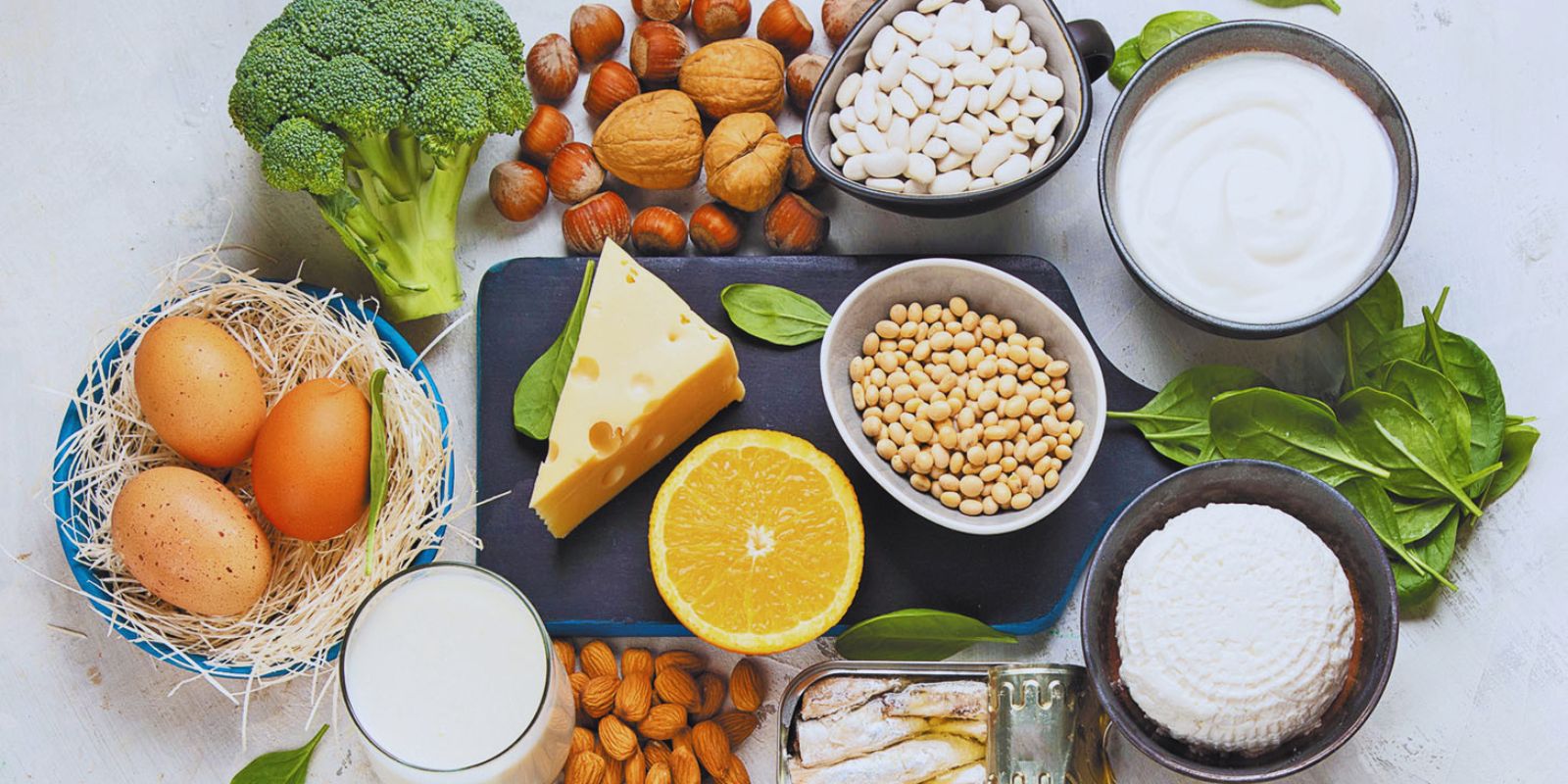
Protein is one of the most important nutrients the human body needs for growth, repair, and overall health. It helps build muscles, strengthen bones, support the immune system, and maintain healthy skin, hair, and organs. Every cell in the body contains protein, making it essential for proper body function.
People can obtain protein from a variety of foods, including meat, fish, eggs, dairy products, beans, lentils, nuts, and seeds. Athletes, growing children, and active individuals often require higher protein intake to support muscle development and recovery.
A balanced diet that includes adequate protein helps maintain energy levels and promotes overall wellness. Regular consumption of protein-rich foods supports healthy body function and contributes to long-term strength, fitness, and good health.
Protein: The Building Block of Health and Strength serves as one of the most important nutrients for the human body. Protein supports growth, tissue repair, muscle development, and many essential body functions. Every cell in the body contains protein, which makes it a key component of a healthy diet.
The body uses protein to build and repair muscles, skin, bones, and organs. Protein also helps create enzymes and hormones that regulate many biological processes. A strong immune system depends on adequate protein intake because the body needs protein to produce antibodies that fight infections.
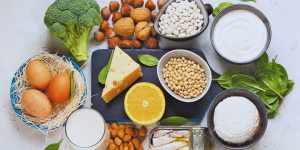
People can obtain protein from many food sources. Animal-based options include meat, poultry, fish, eggs, and dairy products. Plant-based sources include beans, lentils, chickpeas, nuts, seeds, and soy products. A balanced diet that includes these foods helps meet daily protein requirements.
Athletes and physically active individuals often consume higher amounts of protein to support muscle recovery and performance. Growing children also require sufficient protein to support healthy development. Older adults benefit from protein because it helps maintain muscle strength and mobility.
Protein helps control hunger and supports healthy weight management. Meals that contain protein often create a feeling of fullness and reduce unnecessary snacking. Many nutrition experts recommend including protein in every meal to support energy levels throughout the day.
Healthy eating habits become more effective when people combine protein-rich foods with fruits, vegetables, whole grains, and healthy fats. Proper nutrition supports overall wellness and long-term health.
Conclusion:
Protein plays a vital role in maintaining health, strength, and proper body function. It supports muscle growth, tissue repair, immune defense, and many essential biological processes. People who consume adequate protein often experience better energy levels, improved muscle health, and stronger overall wellness. A balanced diet that includes quality protein sources helps individuals meet their nutritional needs at every stage of life. Healthy food choices contribute to long-term fitness and well-being. For more informative articles about nutrition, health, and healthy living, visit DailyinfoRoom, your trusted source for educational content, wellness guidance, and practical lifestyle information every day.