


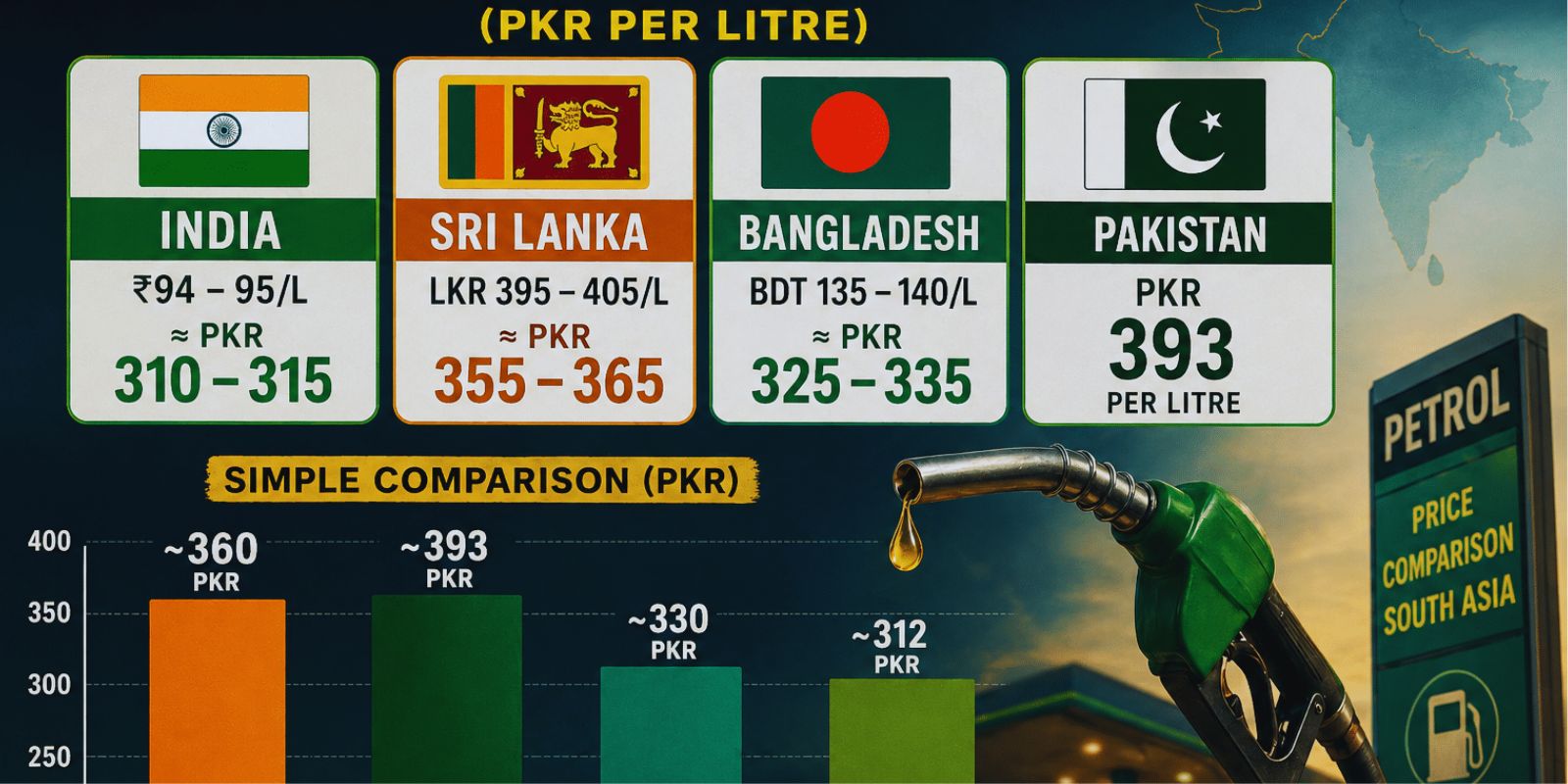
Petrol prices across Asian countries vary widely due to differences in government policies, taxes, subsidies, and global oil market trends. Understanding these variations helps individuals and businesses better plan their transportation and budgeting needs. Some countries, especially oil-producing nations, often offer lower fuel prices due to local production and government support. In contrast, countries that rely heavily on imports may experience higher and more unstable prices.
Economic factors such as currency value, inflation, and international crude oil rates also play a significant role in determining petrol costs. Additionally, government regulations, including taxes and environmental policies, can increase or decrease fuel prices in different regions.
In countries like India, Pakistan, and Bangladesh, petrol prices are closely monitored and frequently adjusted based on global market changes. Meanwhile, nations in the Middle East may offer comparatively lower rates due to abundant oil reserves.
Overall, petrol pricing in Asia reflects a complex mix of economic conditions, resource availability, and policy decisions, making it an important factor in regional economic dynamics.
Current Petrol Price in Asian Countries: A Complete Regional Overview explains how fuel costs differ widely across the region due to economic conditions, government policies, and global oil trends. Petrol prices are influenced by multiple factors, including crude oil rates in the international market, currency exchange values, and domestic taxation systems. Each country adopts its own pricing strategy, which leads to noticeable differences across borders.
In oil-rich regions such as the Middle East, petrol prices are generally lower because of local production and government subsidies. These countries benefit from abundant natural resources, allowing them to maintain relatively stable fuel costs. On the other hand, countries that depend on imported oil, such as many in South and Southeast Asia, often experience higher prices due to transportation costs, import duties, and currency fluctuations.
Government policies also play a major role in determining petrol prices. Some countries regulate fuel prices to protect consumers, while others allow market-driven pricing, which can lead to frequent changes. Environmental policies and taxes aimed at reducing carbon emissions can also increase fuel costs in certain regions.
Petrol prices directly affect daily life and economic activities. Higher fuel costs can lead to increased transportation expenses, higher prices for goods, and overall inflation. Businesses and industries, especially those relying on logistics, are significantly impacted by fuel price changes.
Understanding regional petrol price differences helps individuals and businesses make better financial and operational decisions. It also highlights the importance of energy efficiency and the growing interest in alternative energy sources.
Conclusion:
Petrol prices across Asian countries reflect a complex mix of global market trends, government policies, and local economic conditions. These variations impact not only transportation but also overall economic stability and daily living costs. As fuel prices continue to fluctuate, the need for sustainable energy solutions becomes increasingly important. By staying informed and adapting to changes, individuals and businesses can better manage their expenses. For more informative and easy-to-understand content on global trends and economics, visit DailyinfoRoom, your trusted platform for knowledge, insights, and practical guidance.