


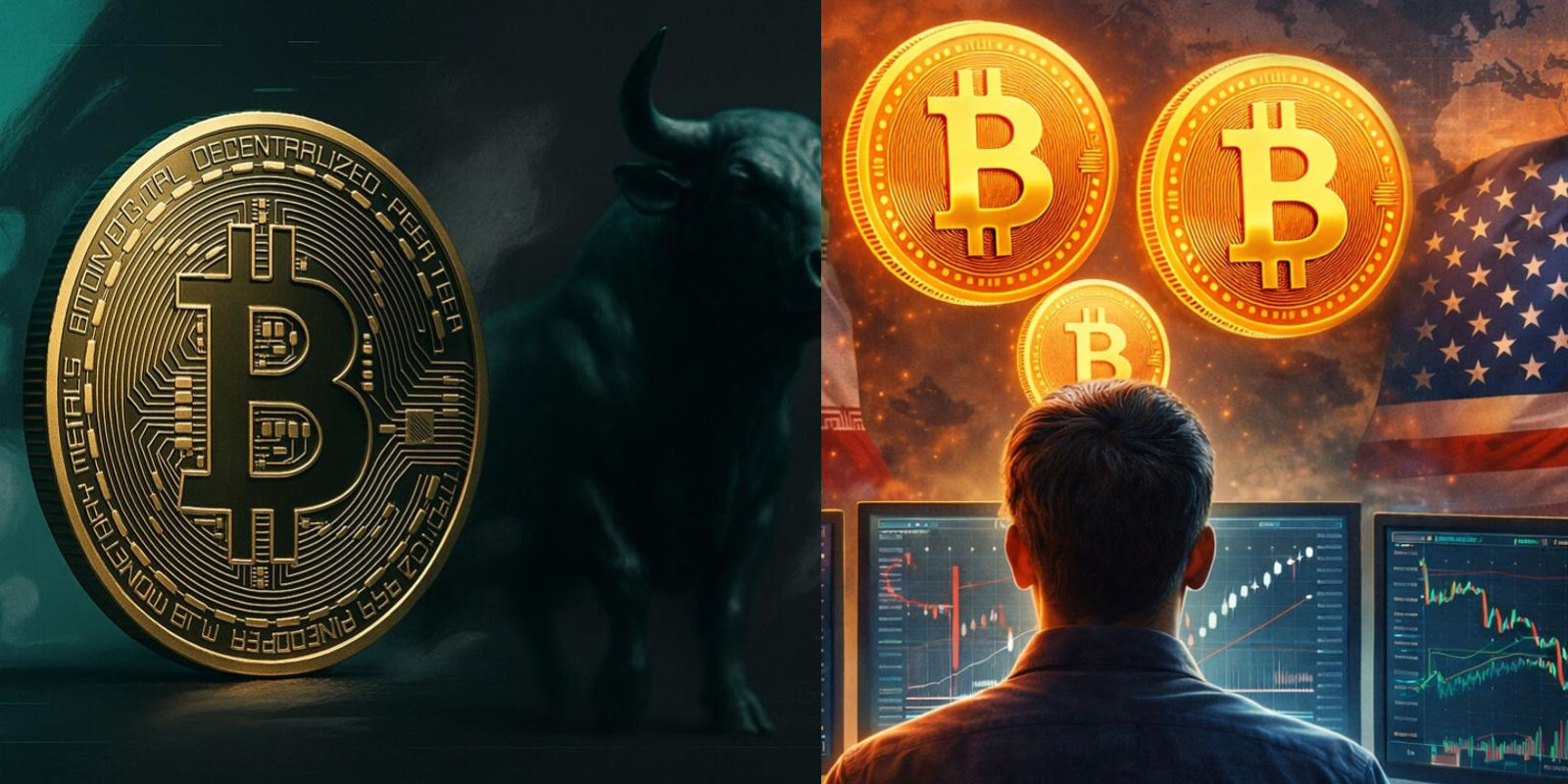
The recent rise in tensions involving the United States, Israel, and Iran has created significant uncertainty in global financial markets, and the cryptocurrency sector has reacted strongly. Bitcoin experienced sharp price swings as investors responded to fears of wider geopolitical conflict and economic instability. Reports indicate that Bitcoin prices dropped as traders moved away from risky assets during the uncertainty.
One major reason for this volatility is the connection between geopolitical tensions and investor sentiment. During conflicts or military escalations, many investors shift their money toward traditional safe-haven assets such as gold or the US dollar. This often leads to sudden sell-offs in cryptocurrencies, causing rapid price fluctuations. Analysts also observed increased panic selling and market liquidations following reports of military activity in the Middle East.
Another factor affecting crypto prices is the global energy market. Rising oil prices due to fears surrounding the Strait of Hormuz increased concerns about inflation and economic slowdown. These conditions can reduce demand for highly volatile investments like cryptocurrencies.
Despite short-term declines, some market observers believe Bitcoin may recover over time as investors reassess its role as a digital asset during global uncertainty. Historically, crypto markets often react quickly to major geopolitical events before stabilizing later.
Bitcoin Price After USA and Israel Attack on Iran Why Crypto Markets Turned Volatile became a major topic of discussion among investors and financial analysts worldwide. Rising geopolitical tensions in the Middle East created uncertainty across global markets, and the cryptocurrency sector reacted quickly. As news of military conflict and political instability spread, Bitcoin experienced sharp price fluctuations, reflecting investor fear and market sensitivity.
Cryptocurrency markets are highly influenced by global events because digital assets are considered both investment opportunities and risk-sensitive assets. During periods of uncertainty, many investors shift their funds toward traditional safe-haven assets such as gold, government bonds, or the US dollar. This sudden movement of capital can cause rapid drops in Bitcoin and other cryptocurrencies.
Another reason behind the volatility was the fear of economic disruption. Rising tensions in the Middle East often affect global oil prices, trade routes, and financial confidence. Higher energy costs and inflation concerns can negatively impact investor sentiment, leading to panic selling in risky markets. Since cryptocurrencies operate around the clock, they often react faster than traditional stock markets.
Social media and online trading platforms also played a role in increasing volatility. News updates, rumors, and emotional reactions from traders spread rapidly, causing sudden buying and selling activity. Many short-term investors attempted to protect profits or avoid losses, which added further instability to the crypto market.
Despite the decline, some long-term investors viewed the market correction as a temporary reaction rather than a permanent trend. Bitcoin has historically recovered from periods of geopolitical uncertainty, showing resilience over time. Supporters of cryptocurrency believe digital assets may continue to attract interest as alternative investment options in uncertain economic conditions.
The situation also highlighted the growing connection between global politics and digital finance. As cryptocurrencies become more widely adopted, international events increasingly influence market behavior and investor decisions.
Conclusion:
The recent tensions involving the USA, Israel, and Iran demonstrated how sensitive cryptocurrency markets can be to geopolitical events. Bitcoin’s sudden price swings reflected investor uncertainty, fear, and changing market sentiment during global instability. While short-term volatility created challenges for traders, it also showed the importance of understanding global economic influences on digital assets. As cryptocurrency markets continue to mature, geopolitical developments will likely remain a major factor affecting prices and investor confidence. For more informative content on finance, global events, and digital trends, visit DailyinfoRoom, your trusted platform for knowledge, insights, and easy-to-understand updates.