


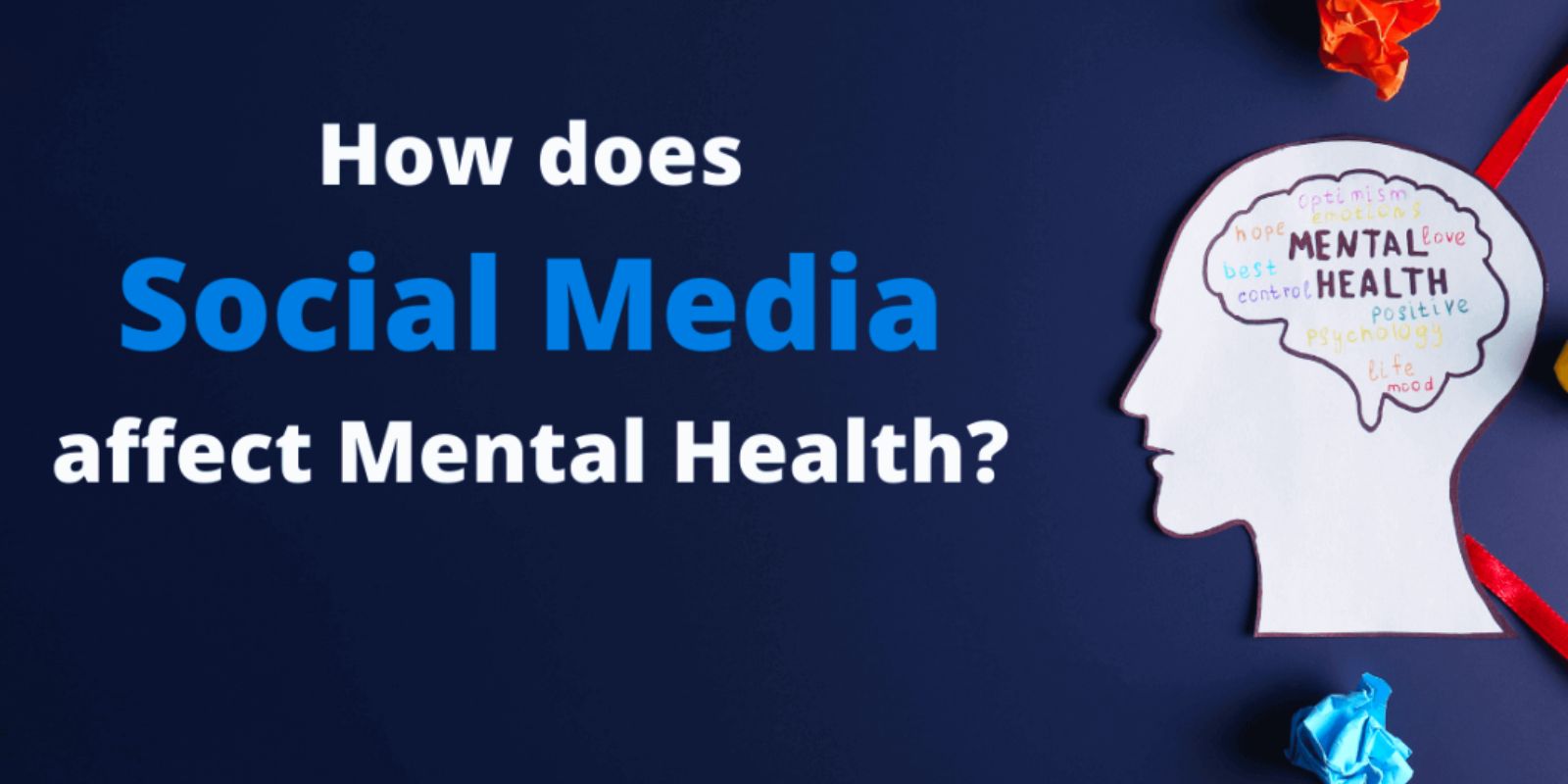
Social media has become a major part of daily life, connecting people across the world through communication, entertainment, and information sharing. While these platforms offer many benefits, they also affect mental health in several ways. Excessive use of social media can increase stress, anxiety, loneliness, and low self-esteem, especially among young users.
Many people compare their lives with unrealistic images and lifestyles shared online. This comparison often creates pressure, sadness, and dissatisfaction. Cyberbullying, negative comments, and online harassment also harm emotional well-being and confidence. Long hours on social media may reduce sleep quality and limit real-life social interaction.
At the same time, social media can provide positive support through educational content, mental health awareness, and online communities. People can connect with others, share experiences, and find encouragement during difficult times.
Maintaining a healthy balance is important for mental wellness. Limiting screen time, following positive content, and spending more time in real-life activities can help reduce the negative effects of social media on mental health.
Mental Health Effects of Social Media: Understanding the Digital Impact explains how online platforms influence emotions, behavior, and daily life. Social media connects millions of people through communication, entertainment, and information sharing. Many users spend several hours every day on different platforms. This constant online activity affects mental health in many ways.
People often compare their lives with edited photos and perfect lifestyles shown online. These comparisons lower confidence and increase stress. Teenagers and young adults face emotional pressure when they seek approval through likes, comments, and followers. Negative comments and online bullying also hurt emotional well-being and create feelings of sadness and anxiety.
Long screen time affects sleep patterns and reduces physical activity. Many users lose focus on studies, work, and personal relationships because of social media addiction. Constant notifications and online distractions also increase mental fatigue and reduce concentration.
Social media also offers positive benefits when people use it responsibly. Educational content, motivational videos, and supportive communities help users learn new skills and share experiences. Mental health awareness campaigns on social platforms encourage people to seek support and speak openly about emotional challenges.
Families and schools should guide young users about healthy social media habits. People should limit screen time and spend more time in outdoor activities, hobbies, and face-to-face communication. Positive online behavior and balanced internet use improve mental wellness and emotional stability.
Conclusion:
Social media shapes modern communication and influences mental health every day. Excessive use creates stress, anxiety, low confidence, and emotional pressure for many users. Balanced usage helps people enjoy the benefits of online platforms without harming mental well-being. Families, teachers, and communities should encourage healthy digital habits and emotional awareness. People who control screen time and focus on real-life relationships improve their overall happiness and mental strength. Social media should support personal growth instead of creating emotional harm. For more health and lifestyle content, visit DailyinfoRoom, your trusted source for educational, informative, and easy-to-understand knowledge every day.