


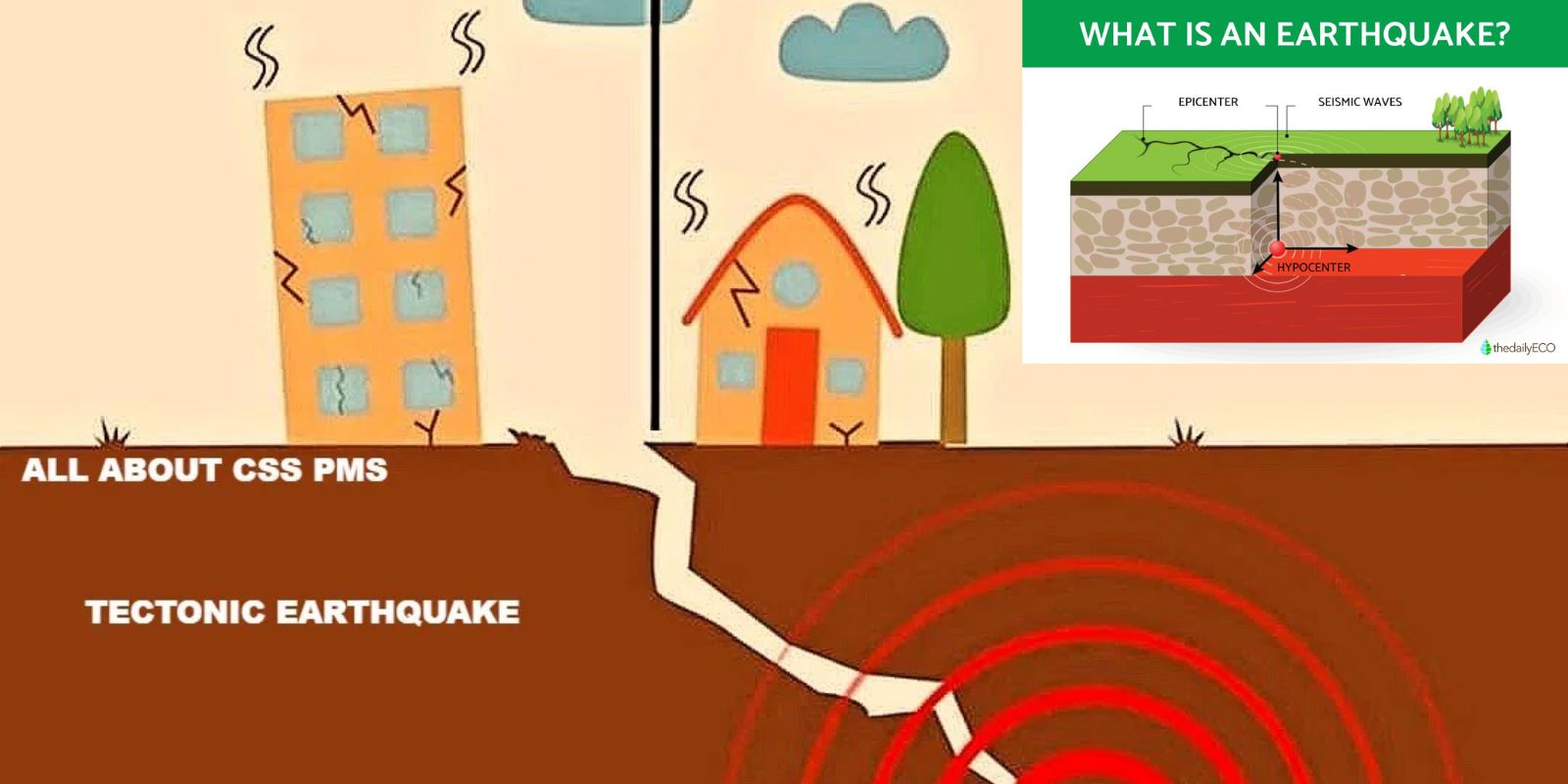
Earthquake are natural disasters caused by sudden movements of tectonic plates beneath the Earth’s surface. These movements release energy that creates vibrations, leading to shaking of the ground. Earthquakes can vary in intensity, from mild tremors to powerful events that cause major destruction.The effects of earthquakes can be severe, including damage to buildings, roads, bridges, and communication systems. Strong earthquakes may also trigger landslides, tsunamis, and fires, putting human lives and property at risk. In addition to physical damage, earthquakes can cause emotional stress and economic losses for affected communities.
Safety measures are essential to reduce risks during an earthquake. People should stay calm, take cover under strong furniture, and avoid windows or heavy objects. Emergency kits, safe building designs, and public awareness programs also help improve disaster preparedness.
Understanding earthquake causes and safety precautions can help individuals and communities respond effectively and reduce the impact of these powerful natural events.
Earthquakes: Causes, Effects, and Safety Measures explain one of the most powerful natural events on Earth. Earthquake occur when tectonic plates move under the Earth’s surface. These sudden movements release energy that shakes the ground. Scientists measure earthquake strength with seismic instruments. Small earthquakes create light tremors. Strong earthquakes destroy buildings, roads, and bridges within seconds.
Several natural factors trigger earthquakes. Tectonic plate movement causes most earthquakes around the world. Volcanic activity also creates seismic shocks in some regions. Human activities such as mining, drilling, and large dam construction can increase seismic pressure in certain areas. Countries located near tectonic plate boundaries face higher earthquake risks.
Earthquakes create serious effects on people and communities. Strong ground shaking damages homes, schools, hospitals, and communication systems. People suffer injuries during collapsing structures and falling debris. Large earthquakes can trigger landslides, fires, and tsunamis near coastal regions. Families lose homes, businesses stop operations, and transportation systems fail after major disasters. Emotional stress also affects survivors for long periods.
People can reduce earthquake risks through proper safety measures. Families should prepare emergency kits with food, water, medicine, flashlights, and important documents. People should practice safety drills regularly at home and school. During an earthquake, individuals should stay calm, drop to the ground, take cover under strong furniture, and protect their heads. People should avoid windows, elevators, and heavy objects that may fall.
Engineers also help reduce damage through earthquake-resistant building designs. Governments improve public safety by creating emergency response plans and awareness campaigns. Communities that understand earthquake safety respond faster during emergencies.
Knowledge and preparation save lives during natural disasters. Every person should learn basic earthquake safety rules and stay alert in high-risk areas.
Conclusion:
Earthquakes create sudden destruction and serious danger for communities across the world. Strong preparation, public awareness, and safety training help people reduce risks during emergencies. Families should prepare emergency supplies and practice safety actions regularly. Governments should improve building standards and disaster response systems to protect lives and property. People who stay informed and prepared can respond quickly during dangerous situations. Earthquake awareness strengthens communities and increases public safety for future generations. For more educational and easy-to-read content about science, health, and global events, visit DailyinfoRoom, your trusted platform for knowledge, awareness, and informative updates every day.