


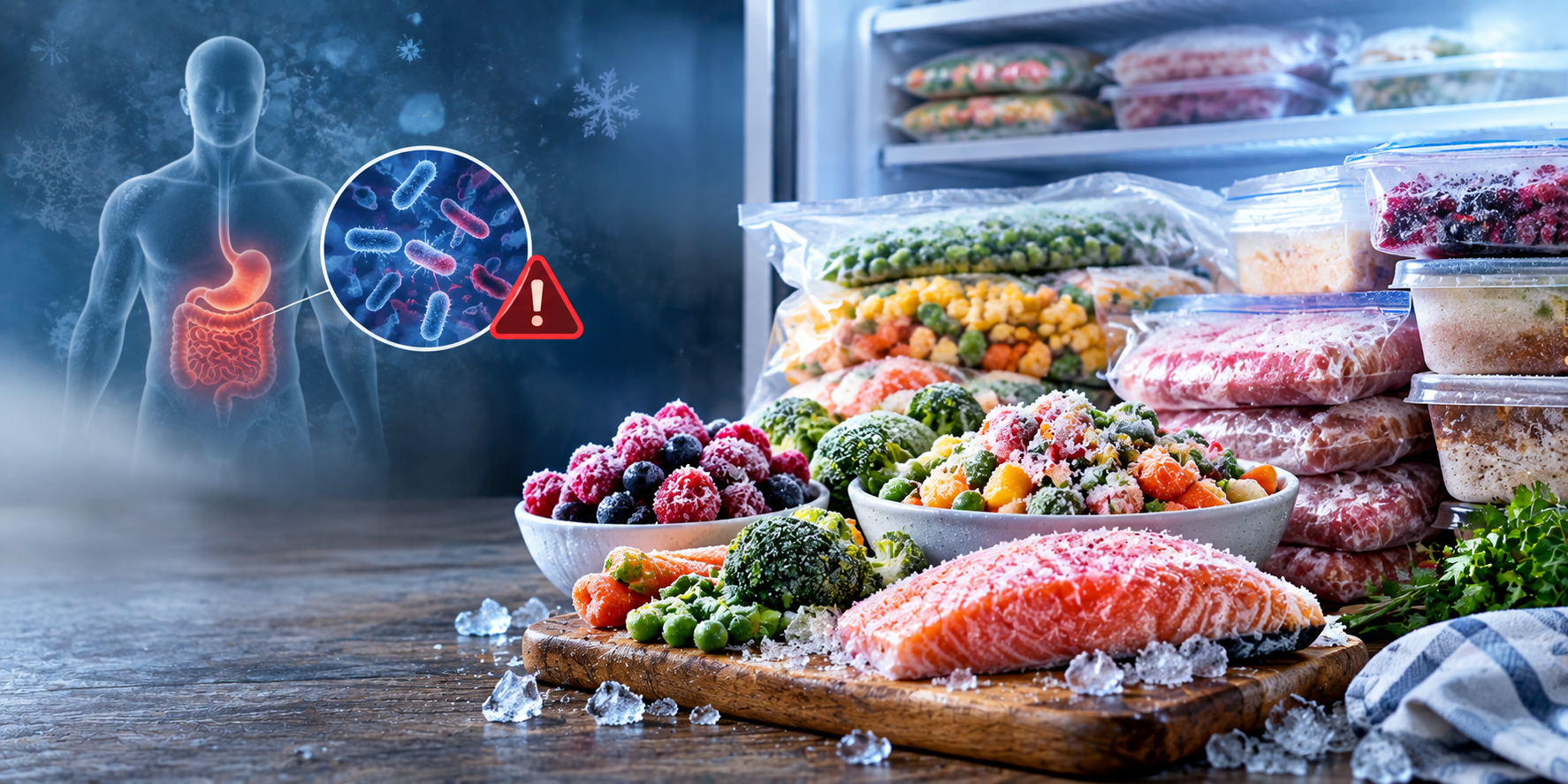
Frozen food often gets a bad reputation because many people associate it with preservatives, poor nutrition and highly processed meals. The reality depends on the type of product, its ingredients and the way people prepare it. Freezing can help preserve food for longer periods and can protect many nutrients when manufacturers freeze fruits and vegetables soon after harvesting. Some frozen products can support a balanced diet, while others can contain high amounts of sodium, added sugar, saturated fat or refined carbohydrates. Understanding food labels and choosing simple ingredients can help people make smarter decisions. Frozen meals can offer convenience without automatically creating an unhealthy diet.
What Frozen Food Really Contains
Freezing provides a practical way to extend the storage life of many foods. Very low temperatures slow the growth of microorganisms and reduce chemical changes that can cause food to spoil. Proper freezing does not make food unhealthy by itself.
Frozen vegetables can provide valuable nutrients. Manufacturers often process vegetables soon after harvesting and freeze them quickly. This process can help preserve nutrients that might decline during long storage at room temperature or in a refrigerator.
Frozen fruits can provide similar benefits. People can use frozen berries, mangoes, peaches and other fruits in smoothies, yogurt bowls and homemade desserts. Unsweetened options usually provide a better choice than products with added sugar.
The bigger concern involves highly processed frozen products. Frozen pizzas, fried snacks, creamy meals and some ready to eat dishes can contain substantial amounts of sodium, saturated fat and calories. Regularly eating large portions of these foods can make it harder to maintain a balanced diet.
Reading the nutrition label can reveal important information. Check serving size, calories, sodium, added sugars, saturated fat and protein. Ingredients can provide additional clues about the quality of a product.
Frozen meals can contain more than one serving even when the package looks small. Eating the entire package can significantly increase calorie and sodium intake. People should check the serving information before preparing a meal.
Frozen food can contain preservatives, but freezing itself does not require preservatives. Some manufacturers use additional ingredients to improve texture, color or shelf life. Consumers can compare products and choose options with shorter ingredient lists when they prefer simpler foods.
Freezing also does not destroy every nutrient. Some vitamins may decrease during processing, cooking or storage, but many minerals, fiber and other nutrients remain available. The nutritional quality depends on the original food and the processing method.
How to Choose Healthier Frozen Foods
People can make frozen food healthier by focusing on basic ingredients. Frozen vegetables without sauces provide an easy option for increasing vegetable intake. People can combine them with beans, lentils, eggs, fish, chicken, whole grains or other protein sources.
Frozen fruit can work well as a convenient snack. Choose products without added sugar when possible. You can blend frozen fruit with plain yogurt and milk to create a simple smoothie.
When buying frozen meals, compare sodium levels between brands. Some products contain a large portion of the recommended daily sodium intake in one serving. Lower sodium options can help people manage overall sodium consumption.
Protein can make a frozen meal more satisfying. Look for products that provide a reasonable amount of protein from foods such as chicken, fish, beans or lentils. You can add extra vegetables to a smaller frozen meal to create a more balanced plate.
Portion size matters as well. A frozen meal can fit into a healthy diet when people match the portion with their nutritional needs. Adding a fresh salad or steamed vegetables can increase fiber and volume without adding excessive calories.
Food safety remains essential with frozen products. Keep your freezer at 0°F or minus 18°C. Store food in suitable packaging to reduce freezer burn and protect quality.
Follow package instructions when cooking frozen meals. Some foods require thorough cooking to reach a safe internal temperature. Avoid assuming that a frozen product remains safe simply because it looks cooked on the outside.
Do not refreeze food that has completely thawed and remained at unsafe temperatures. If frozen food still contains ice crystals and remains cold, food safety guidance may allow refreezing, although quality can decline.
People can freeze many foods at home as well. Fruits, vegetables, cooked meals, meat and bread can remain useful for longer periods when people package them properly. Remove excess air from suitable freezer containers or bags to reduce freezer burn.
Frozen food can reduce household food waste because people can store ingredients for longer periods. This benefit can help families use food gradually instead of throwing away fresh products that spoil quickly.
A balanced diet does not require people to avoid frozen products completely. Fresh, frozen and properly stored foods can all contribute to healthy meals. The ingredients, portion size and overall eating pattern matter more than the simple fact that a food came from a freezer.
Conclusion: The Real Truth About Frozen Food
Frozen food does not automatically mean unhealthy food. Freezing can preserve many foods and provide a convenient way to store fruits, vegetables, meats and complete meals. Highly processed frozen products can contain excessive sodium, added sugar, saturated fat and calories, so consumers should read labels carefully. Simple frozen vegetables and unsweetened fruits can fit easily into a nutritious diet. Proper storage and cooking can support food safety and quality. Smart choices matter more than avoiding the freezer completely. Visit DailyInfoRoom for more practical health, nutrition and lifestyle information to support better everyday choices.












