


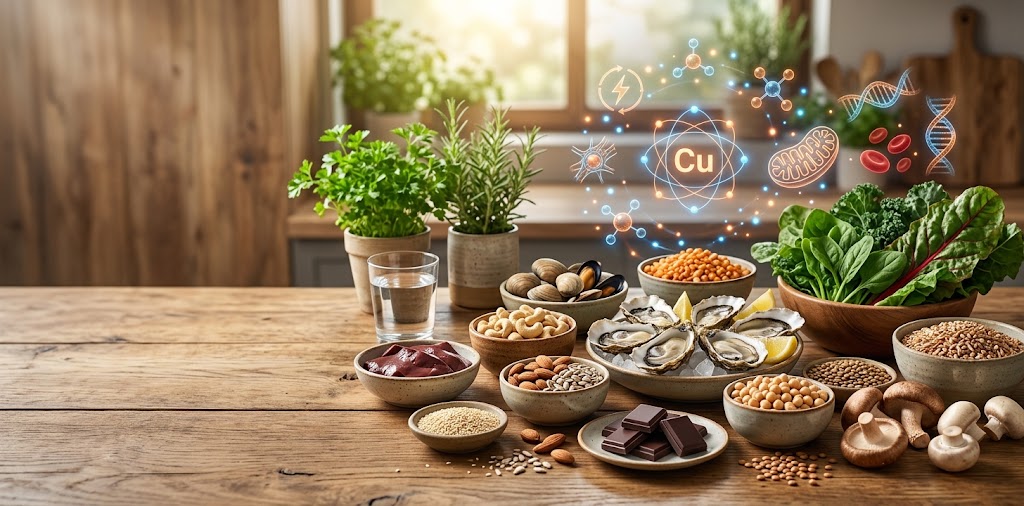
Foods Rich in Copper deserve far more attention in mainstream nutrition conversations than they currently receive. Copper is an essential trace mineral that the human body cannot produce on its own, meaning every milligram your cells need must arrive through the food you eat daily. Despite its critical importance, copper deficiency affects a significant portion of the global population who eat diets that consistently exclude the best dietary sources of this vital mineral. Copper supports energy production at the cellular level, maintains healthy connective tissue, enables proper iron metabolism, protects the nervous system, and contributes to immune function that shields your body from infection and disease. Understanding which Foods Rich in Copper deliver the highest concentrations gives you the practical knowledge to build a diet that meets your copper requirements consistently.
The Most Powerful Foods Rich in Copper That Nutrition Science Identifies
Foods Rich in Copper exist across multiple food categories, giving both omnivores and plant-based eaters genuine options for meeting the adult recommended dietary allowance of 900 micrograms of copper daily through whole food sources rather than supplements.
Organ Meats Lead Every Copper Source List
Beef liver stands as the single most concentrated source among all Foods Rich in Copper available through ordinary food supply chains. A 100-gram serving of cooked beef liver delivers approximately 9,700 micrograms of copper, exceeding the daily recommended intake by more than ten times in a single serving. This extraordinary concentration explains why nutritional therapists historically prescribed liver consumption as the primary intervention for copper deficiency long before trace mineral supplementation became commercially available.
Calf liver, chicken liver, and lamb liver all deliver copper concentrations that place them among the most nutrient-dense Foods Rich in Copper regardless of preparation method. Sautéed, grilled, or incorporated into pâté and liver dishes, these organs provide copper alongside companion nutrients including vitamin B12, folate, iron, zinc, and fat-soluble vitamins A and D that amplify the overall nutritional impact of a single serving.
People who find organ meat difficult to incorporate into regular eating patterns can begin with chicken liver, which carries a milder flavor profile than beef liver while still delivering copper concentrations that far exceed any plant-based alternative.
Shellfish Deliver Exceptional Copper Concentrations
Oysters rank among the most impressive Foods Rich in Copper in the entire animal kingdom. A 100-gram serving of cooked oysters provides approximately 4,850 micrograms of copper alongside exceptional concentrations of zinc, selenium, vitamin B12, and high-quality complete protein that few single foods can match.
Lobster, crab, clams, and mussels all qualify as significant Foods Rich in Copper that Mediterranean and coastal populations have consumed as dietary staples throughout recorded human history. Lobster provides approximately 1,990 micrograms of copper per 100-gram serving, while crab delivers around 940 micrograms per comparable portion. These shellfish provide copper in a highly bioavailable form that the digestive system absorbs efficiently alongside the amino acids and cofactor nutrients that copper-dependent enzyme systems require for optimal function.
The regular consumption of shellfish as Foods Rich in Copper also explains the historically lower rates of certain nutrient deficiencies among coastal populations compared to inland populations whose traditional diets excluded marine foods entirely.
Nuts and Seeds Provide Plant-Based Copper Sources
Cashews lead the nut category among plant-based Foods Rich in Copper, providing approximately 2,200 micrograms of copper per 100-gram serving. A modest quarter-cup handful of cashews contributes roughly 622 micrograms of copper toward daily requirements, making them one of the most practical and palatable plant-based copper sources for people who consume nuts as regular snacks or meal additions.
Sesame seeds deliver approximately 4,080 micrograms of copper per 100-gram serving, but typical serving sizes of one to two tablespoons reduce the practical per-meal copper contribution to approximately 800 to 1,600 micrograms. Tahini, the sesame seed paste used throughout Middle Eastern cuisine, concentrates these seeds into a form that many people consume more readily than whole seeds and represents one of the most effective plant-based Foods Rich in Copper for daily dietary integration.
Sunflower seeds, hemp seeds, and pumpkin seeds all contribute meaningful copper quantities that add up across daily snacking and meal preparation patterns. These seeds work best as Foods Rich in Copper when incorporated into meals rather than consumed as isolated snacks because their fat content enhances fat-soluble nutrient absorption while providing the satiety that prevents overconsumption of high-calorie seed sources.
Dark Chocolate Delivers Copper With Pleasure
Dark chocolate with 70% or higher cocoa content qualifies as one of the most enjoyable Foods Rich in Copper in any nutritional framework. A 100-gram serving of dark chocolate provides approximately 1,765 micrograms of copper alongside significant magnesium, iron, zinc, and antioxidant flavonoids that make high-cocoa chocolate one of the most nutritionally complete indulgent foods available.
The copper in dark chocolate comes from the cacao bean itself, with higher cocoa percentage products delivering proportionally more copper per serving than milk chocolate or white chocolate products that dilute cacao content with milk solids and sugar. A standard 28-gram serving of high-quality dark chocolate provides approximately 494 micrograms of copper, covering over 50% of the adult daily recommended intake from a single small serving that most people genuinely enjoy consuming.
Plant-Based Foods Rich in Copper and How to Maximize Absorption
Plant-based eaters can meet copper requirements through consistent consumption of several specific food categories that deliver the highest copper concentrations available from non-animal sources, though absorption considerations affect how effectively dietary copper translates into cellular availability.
Legumes Provide Accessible Everyday Copper
Lentils, chickpeas, black beans, kidney beans, and soybeans all contribute to daily copper intake as everyday foods that most households purchase and prepare regularly. Cooked lentils provide approximately 498 micrograms of copper per 100-gram serving, making them one of the most practical Foods Rich in Copper for people eating plant-forward diets who prepare legumes as protein sources at multiple meals each week.
Soybeans deliver approximately 700 micrograms of copper per 100-gram serving in cooked form, while tofu and tempeh provide comparable quantities depending on the soybean concentration and manufacturing process used. Incorporating these soy products as Foods Rich in Copper alongside other legume sources throughout the week creates cumulative copper intake that meets daily requirements across a varied plant-based eating pattern.
Cooking legumes from dried form rather than consuming canned varieties reduces the phytic acid content that interferes with mineral absorption, improving the bioavailability of the copper that lentils and beans contain even though their total copper concentration remains constant regardless of preparation method.
Whole Grains Add Copper to Every Meal
Whole grains including oats, quinoa, buckwheat, and whole wheat all contribute to copper intake as Foods Rich in Copper when compared to refined grain products that processing strips of their mineral content alongside the fiber and B vitamins that whole grains naturally deliver.
Quinoa provides approximately 590 micrograms of copper per 100-gram serving of cooked grain, while oats deliver around 420 micrograms per cooked cup. These grains earn their place among Foods Rich in Copper not through exceptional individual concentrations but through the daily frequency with which most people consume grain-based foods at breakfast, lunch, and dinner across the entire week.
Whole grain bread, whole wheat pasta, and oatmeal all contain copper that refined equivalents do not provide, making the switch from refined to whole grain products a practical strategy for increasing copper intake without requiring major dietary changes beyond product selection at the grocery store.
Mushrooms Offer Fungi-Based Copper Sources
Shiitake mushrooms rank among the most copper-rich Foods Rich in Copper available in the produce section of most supermarkets. Cooked shiitake mushrooms provide approximately 1,300 micrograms of copper per 100-gram serving, making them the most nutritionally significant copper source among commonly available vegetables and fungi.
Cremini, portobello, and oyster mushrooms all deliver meaningful copper quantities at lower concentrations than shiitake varieties, with cooked cremini mushrooms providing approximately 500 micrograms per 100-gram serving. Adding mushrooms to soups, stir-fries, pasta dishes, and grain bowls incorporates these Foods Rich in Copper into everyday cooking without requiring any additional meal planning effort beyond selecting mushrooms as a standard ingredient across multiple weekly meals.
Potatoes Provide Unexpected Copper Value
Baked potatoes with skin intact deliver a surprisingly significant copper contribution that most people overlook when thinking about Foods Rich in Copper. A medium baked potato provides approximately 610 micrograms of copper per serving, covering roughly 68% of the adult daily requirement from a single vegetable that most households eat regularly and inexpensively.
The potato skin concentrates more copper than the flesh alone, making skin-on preparation methods significantly more valuable as Foods Rich in Copper than peeled preparations that discard the mineral-rich outer layer. Roasted potatoes, baked potatoes, and potato-based soups prepared with skin intact maximize the copper contribution from this unexpectedly valuable and nutritionally underestimated vegetable source.
Conclusion:
Foods Rich in Copper give every person the practical tools to meet their daily copper requirements through enjoyable, accessible, and diverse dietary choices that span animal products, legumes, nuts, seeds, whole grains, mushrooms, and even dark chocolate. Copper deficiency produces fatigue, immune weakness, neurological symptoms, and connective tissue problems that adequate dietary copper prevents reliably through consistent inclusion of the highest-quality sources identified in this guide. Building your weekly meals around liver, shellfish, cashews, legumes, dark chocolate, and shiitake mushrooms creates a dietary pattern rich enough in copper to support every copper-dependent process your body runs continuously. Start with one new copper-rich food this week and expand from there. For more evidence-based nutrition guides, mineral health content, and practical dietary advice that genuinely improves your wellbeing, visit DailyInfoRoom where nutritional knowledge meets the readers committed to using it every day.












