


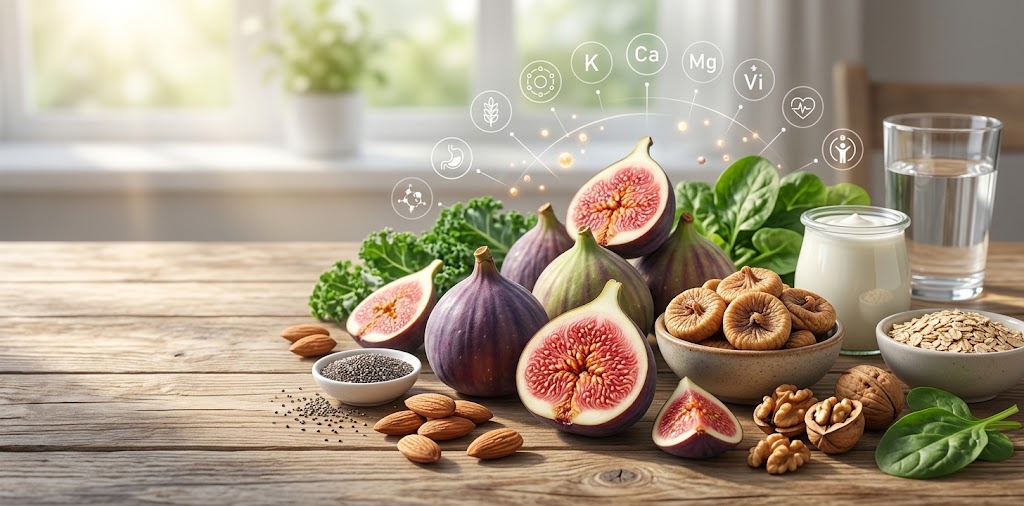
Figs Benefits of Health extend far beyond what most people expect from a small, sweet fruit that ancient civilizations cultivated as one of their most prized food sources. The common fig, known scientifically as Ficus carica, has fed and healed human populations across the Mediterranean, Middle East, and South Asia for thousands of years. Modern nutritional science now validates what traditional medicine systems observed empirically across centuries: figs pack an extraordinary concentration of vitamins, minerals, antioxidants, and dietary fiber into each serving that delivers measurable benefits across multiple body systems simultaneously. Understanding Figs Benefits of Health gives you compelling reasons to add this underappreciated fruit to your daily diet in fresh, dried, or supplemental form depending on availability and personal preference.
The Core Nutritional Profile Behind Figs Benefits of Health
Figs Benefits of Health begin with a nutritional composition that distinguishes this fruit from most other sweet options available in modern diets. Every fig delivers a dense concentration of essential nutrients that the body uses across multiple physiological systems.
Fiber Content That Transforms Digestive Health
Figs rank among the highest-fiber fruits available in any market worldwide, and this fiber content drives some of the most significant Figs Benefits of Health that researchers document consistently across nutritional studies. A single serving of three to five dried figs provides approximately 5 grams of dietary fiber, covering around 20% of the recommended daily intake for most adults.
That fiber content works across two distinct mechanisms. Soluble fiber from figs forms a gel-like substance in the digestive tract that slows glucose absorption, reduces cholesterol absorption from food, and feeds the beneficial bacteria populations that maintain gut microbiome diversity. Insoluble fiber adds bulk to stool, accelerates intestinal transit time, and prevents the constipation that affects millions of people who consume insufficient fiber through standard Western dietary patterns.
Research confirms that regular consumption of high-fiber fruits including figs reduces colorectal cancer risk, improves bowel regularity, reduces irritable bowel syndrome symptom severity, and supports the gut microbiome diversity that scientists now link directly to immune function, mental health, and metabolic performance throughout the body.
Potassium and Cardiovascular Figs Benefits of Health
Figs Benefits of Health include a remarkably strong cardiovascular dimension driven primarily by their substantial potassium content. Dried figs provide approximately 232 milligrams of potassium per 100 grams, making them one of the richest dietary potassium sources available in concentrated fruit form.
Potassium counteracts the blood pressure-raising effects of sodium by promoting kidney excretion of excess sodium and relaxing the blood vessel walls that high sodium intake constricts. Populations that consume adequate potassium through fruit and vegetable-rich diets consistently show lower rates of hypertension, stroke, and heart disease than populations with high sodium and low potassium intake patterns.
Figs also contain polyphenol antioxidants including chlorogenic acid and rutin that reduce oxidative stress in arterial walls and lower LDL cholesterol oxidation, the process that transforms ordinary cholesterol particles into the arterial-plaque-forming particles responsible for atherosclerotic cardiovascular disease. Figs Benefits of Health for the cardiovascular system operate through multiple simultaneous mechanisms that make them genuinely protective rather than simply nutritious.
Calcium and Bone Density Support
Figs Benefits of Health extend into bone metabolism through a calcium content that exceeds most other fruits and makes figs particularly valuable for populations who limit or avoid dairy products. Dried figs provide approximately 162 milligrams of calcium per 100 grams, meaning a moderate daily serving contributes meaningfully toward the 1,000 milligrams that most adults need daily for bone density maintenance.
The calcium in figs works alongside magnesium and vitamin K that figs also supply in meaningful quantities. Magnesium supports calcium incorporation into bone crystal structure, while vitamin K activates the proteins that direct calcium toward bone tissue rather than allowing it to deposit in arterial walls where calcification contributes to cardiovascular disease. This nutritional synergy within figs makes their Figs Benefits of Health for bone density more complete than their calcium content alone suggests.
Blood Sugar Regulation Despite Natural Sweetness
The Figs Benefits of Health include a counterintuitive blood sugar management dimension that surprises people who avoid figs based on their sweetness. Despite their natural sugar content, figs demonstrate a moderate glycemic index when consumed in appropriate portions, particularly because their soluble fiber content slows the rate at which those natural sugars enter the bloodstream after eating.
Research published in nutrition journals confirms that fig leaf extracts improve insulin sensitivity and reduce blood glucose levels in people with type 2 diabetes. The polyphenol compounds in figs inhibit alpha-glucosidase enzymes that break down carbohydrates into glucose in the digestive tract, effectively slowing the glucose release rate that determines post-meal blood sugar peaks.
Specific Figs Benefits of Health That Affect Your Daily Life and Long-Term Wellbeing
Beyond the core nutritional profile, Figs Benefits of Health reach into specific daily health concerns that motivate most people to pay closer attention to the foods they consume regularly.
Skin Health and Antioxidant Protection
Figs Benefits of Health for skin function through multiple mechanisms that address both internal oxidative damage and topical protective effects that traditional beauty practices recognized long before scientific analysis confirmed their validity. Figs contain significant concentrations of antioxidants including flavonoids, polyphenols, and beta-carotene that neutralize free radicals responsible for premature cellular aging in skin tissue.
Vitamin C content in fresh figs supports collagen synthesis, the process that maintains skin firmness, elasticity, and wound healing capacity. Collagen production declines with age and under oxidative stress conditions that vitamin C intake partially compensates for by providing the cofactor that collagen-synthesizing enzymes require for activity.
The zinc content in figs supports sebum production regulation and wound healing, making Figs Benefits of Health relevant for people managing acne and skin healing conditions alongside the anti-aging antioxidant benefits that appeal to broader populations concerned about skin quality maintenance.
Iron Content and Energy Level Support
Figs Benefits of Health address iron deficiency, one of the most widespread nutritional deficiencies globally, through meaningful dietary iron contribution that plant-based eaters and people with increased iron requirements can leverage through regular fig consumption. Dried figs provide approximately 2 milligrams of iron per 100 grams, contributing to the daily requirements of 8 milligrams for men and 18 milligrams for premenopausal women.
Consuming figs alongside vitamin C-rich foods enhances non-heme iron absorption from the plant-based iron that figs contain. Since fresh figs themselves supply some vitamin C, combining them with other vitamin C sources at the same meal maximizes the absorption benefit that transforms dietary iron content into actual increased blood iron levels that prevent the fatigue, cognitive impairment, and immune dysfunction that iron deficiency anemia produces.
Weight Management Through Satiety
Figs Benefits of Health for weight management come primarily through their fiber-driven satiety effect that reduces total daily calorie consumption without requiring deliberate restriction that many people find psychologically unsustainable. The fiber in figs expands in the stomach after eating, triggers stretch receptors that signal fullness to the brain, and slows gastric emptying that extends the time before hunger returns after a meal.
Dried figs also satisfy sweet cravings naturally through their concentrated fruit sugar content, providing a genuinely pleasurable alternative to processed confections that deliver similar calorie counts without any of the nutritional density that makes Figs Benefits of Health so broad and genuine. Replacing processed sweet snacks with a small serving of figs adds nutrition while managing the sweet cravings that most people experience daily without effective natural alternatives.
Hormonal Health and Menstrual Support
Figs Benefits of Health include effects on hormonal balance that traditional medicine systems across multiple cultures documented empirically across centuries and that modern research increasingly validates through controlled studies. Fig polyphenols interact with estrogen receptor pathways in ways that may help regulate hormonal fluctuations associated with menstrual cycle irregularity and perimenopausal symptom intensity.
The iron content in figs specifically supports women who lose significant iron through menstrual blood flow, helping prevent the deficiency-related fatigue and cognitive impairment that many women experience during and after menstruation without recognizing iron depletion as the underlying cause. Figs Benefits of Health for menstrual health combine the iron replacement, anti-inflammatory antioxidants, and hormonal modulating polyphenols into a genuinely relevant nutritional tool for women managing cyclical health challenges.
Liver and Kidney Support
Research into Figs Benefits of Health demonstrates protective effects on liver function through the antioxidant and anti-inflammatory compounds that fig extracts deliver to hepatic tissue. Animal studies confirm that fig extract reduces liver enzyme levels and oxidative damage markers in liver tissue under conditions of chemical or dietary stress, suggesting a hepatoprotective effect that human clinical research continues investigating.
The diuretic properties that traditional medicine attributed to figs align with the kidney-supporting Figs Benefits of Health that their potassium and water content collectively deliver. Adequate potassium intake promotes healthy kidney filtration function and reduces the stone formation risk associated with high calcium excretion patterns that low potassium diets create.
Conclusion:
Figs Benefits of Health deliver a nutritional impact that few fruits match in terms of the breadth and depth of physiological systems they positively affect through regular consumption. Digestive health, cardiovascular protection, bone density support, blood sugar regulation, skin quality, iron provision, weight management, and hormonal balance all improve measurably through the consistent dietary inclusion of fresh or dried figs in quantities that fit naturally into balanced daily eating patterns. This ancient fruit earned its reputation across thousands of years of human cultivation through genuine health delivery that modern science now confirms with the precision that traditional observation alone could never provide. Add figs to your daily diet and let their nutritional density work for you. For more evidence-based nutrition guides, health food profiles, wellness content, and practical dietary advice that improves your daily life, visit DailyInfoRoom where the knowledge your health deserves finds the readers ready to act on it.












