


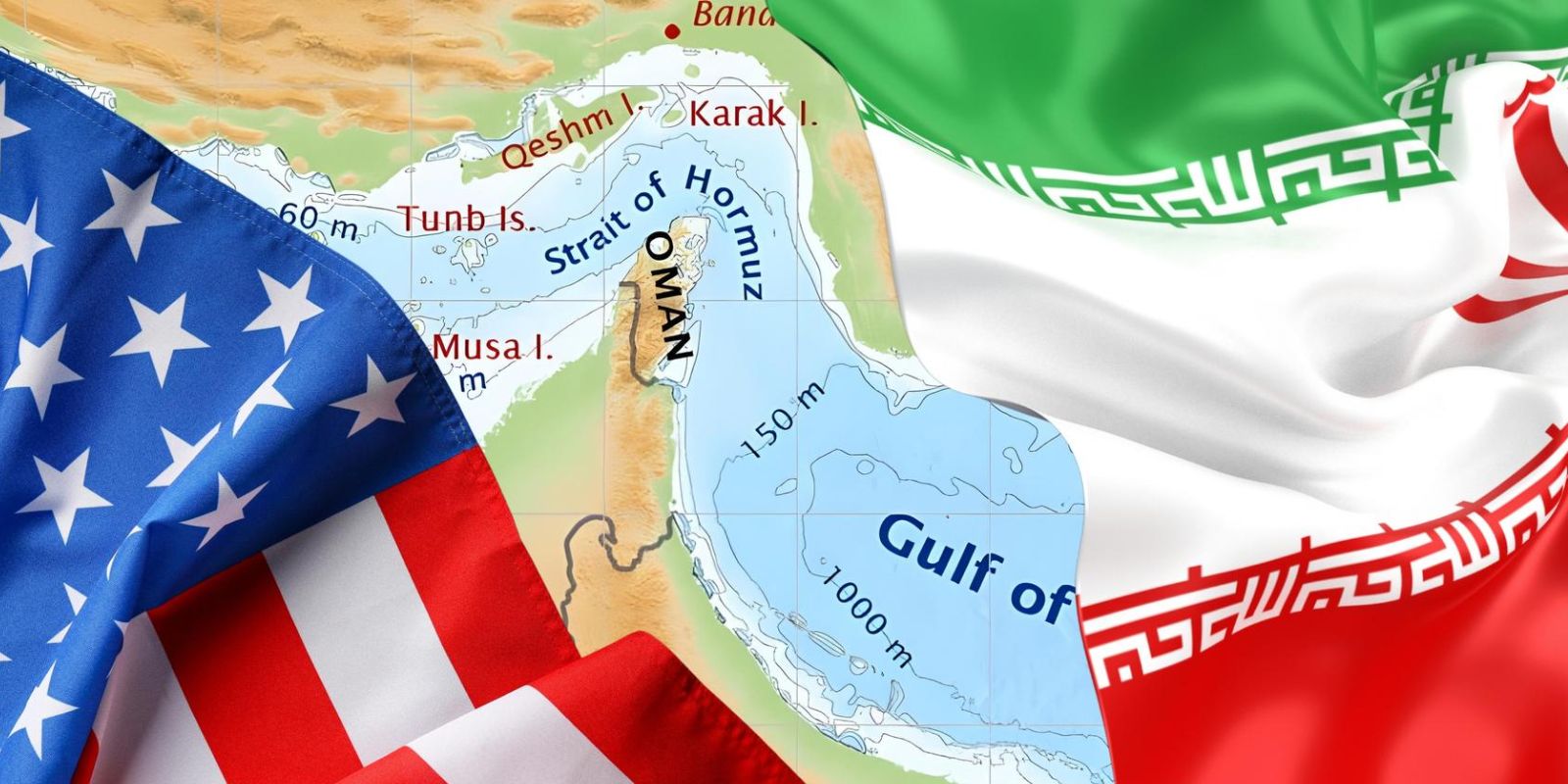
The Strait of Hormuz is one of the most important waterways in the world, playing a critical role in global trade and energy supply. This narrow passage connects the Persian Gulf to the Arabian Sea and serves as a key route for transporting oil and natural gas from major producing countries to international markets.
A significant portion of the world’s oil passes through the Strait of Hormuz every day, making it vital for maintaining global energy stability. Any disruption in this route can lead to rising fuel prices and economic uncertainty across the world. Because of its importance, the strait is often a focal point of geopolitical tensions and international security concerns.
In addition to energy transport, the strait supports global shipping and trade, linking economies across continents. Its strategic location makes it essential for both commercial and military activities. Ensuring the safety and stability of this passage is crucial for maintaining smooth global operations and economic balance.
Strait of Hormuz: Why This Narrow Passage Matters to the World explains the global importance of the Strait of Hormuz, a narrow yet vital maritime route. Located between Oman and Iran, this passage connects the Persian Gulf to the Arabian Sea and serves as a key channel for international oil and gas transportation.
A large percentage of the world’s energy supply passes through this strait daily, making it one of the most critical chokepoints in global trade. Countries that produce oil in the Middle East rely heavily on this route to export their resources to markets in Asia, Europe, and beyond. Any disruption, whether due to political tensions or security issues, can lead to sharp increases in oil prices and affect global economies.
The strategic importance of the Strait of Hormuz also makes it a focal point for international security. Naval forces from various countries often monitor the region to ensure safe passage for commercial ships. Its location has made it central to geopolitical discussions, as stability in this area directly impacts global energy security.
Beyond oil transport, the strait supports general maritime trade and strengthens economic connections between nations. Its role in maintaining the smooth flow of goods highlights its significance beyond energy alone.
Conclusion:
The Strait of Hormuz remains one of the most important waterways in the world, influencing global trade, energy supply, and geopolitical stability. Its narrow size contrasts with its massive impact on international markets and economies. Ensuring its safety and stability is essential for maintaining global balance and economic growth. As the world continues to depend on energy resources, this passage will remain a key point of focus. For more informative global insights and easy-to-understand content, visit DailyinfoRoom, your trusted platform for knowledge and awareness.