


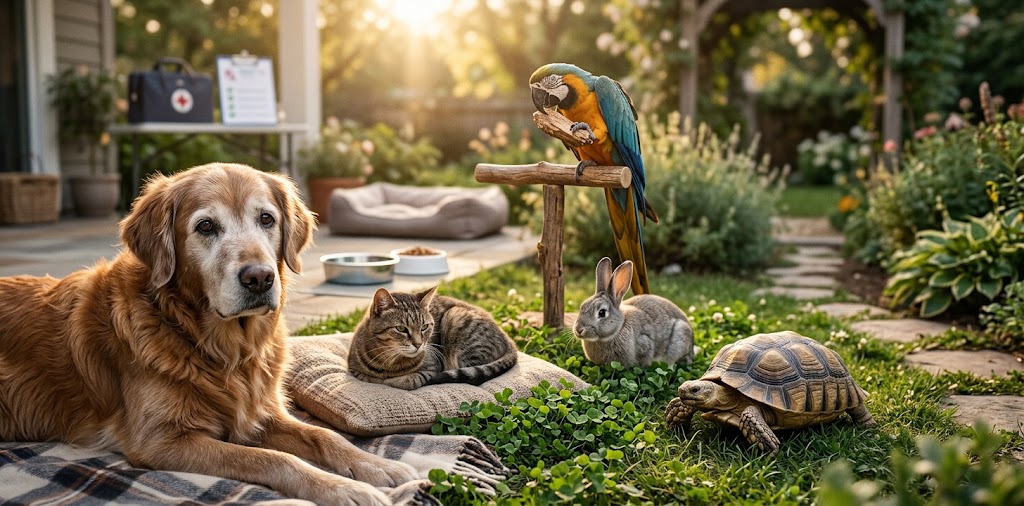
Pets that live longer than expected capture something profound about the bond between humans and animals and what extraordinary care, love, and circumstance can produce in an animal’s lifespan. Science gives us general expectations for how long dogs, cats, birds, fish, and other companion animals typically survive, but nature and dedicated ownership consistently produce individuals who shatter those expectations by years or even decades. The stories of exceptionally long-lived pets inspire pet owners worldwide and raise fascinating questions about genetics, environment, diet, veterinary care, and the unmeasurable factor of deep human-animal connection that researchers struggle to quantify but that experienced pet owners recognize immediately. Understanding what pets that live longer share in common gives every pet owner practical insights for extending their companion’s healthy years.
The Most Remarkable Pets That Live Longer Than Science Predicted
History and veterinary records document extraordinary individuals across every major pet species who outlived their expected lifespans by margins that science finds difficult to explain through any single factor and that collectively suggest longevity results from a fortunate combination of genetics, care, and circumstance.
Creme Puff: The World’s Oldest Cat on Record
Creme Puff of Austin, Texas holds the Guinness World Record as the oldest cat ever verified, living 38 years and 3 days from 1967 to 2005. Domestic cats typically live 12 to 15 years, making Creme Puff’s lifespan more than double the species average and placing her in a category of longevity that no subsequent cat has surpassed in documented records.
Her owner Jake Perry credited her diet with contributing to her extraordinary longevity. Perry fed Creme Puff a diet that included bacon, eggs, asparagus, and coffee with cream alongside conventional cat food, a nutritional approach that mainstream veterinary nutrition would not endorse but that clearly did not harm this particular animal across nearly four decades of life.
Perry also owned the second and fourth oldest cats on record, suggesting that his specific care environment, home conditions, and human-animal relationship created conditions that consistently produced exceptional feline longevity rather than Creme Puff representing a purely random genetic outlier.
Bluey: The World’s Oldest Dog on Record
Bluey, an Australian Cattle Dog from Rochester, Victoria, lived 29 years and 5 months from 1910 to 1939, a record that the Guinness World Records maintained for decades as the oldest dog ever verified. Large dog breeds typically live 8 to 12 years and small breeds 12 to 16 years, making Bluey’s lifespan extraordinary even by small-dog standards despite belonging to a medium-sized working breed.
Bluey spent his life working with livestock on a farm, a lifestyle that researchers of animal longevity frequently cite as a contributing factor. Regular physical activity, purposeful daily movement, outdoor access, and the mental stimulation that working dogs receive through task-oriented daily activity all align with the factors that promote longevity in human populations and appear to translate across species lines.
A Chihuahua named Spike from Camden, Ohio claimed the title of world’s oldest living dog at 23 years old in 2023, nearly double the typical Chihuahua lifespan. His owner attributed his longevity to a loving home environment, regular veterinary care, and the daily social engagement that a household with attentive owners provides consistently.
Hanako: The Koi Fish That Lived 226 Years
Hanako, a scarlet koi fish from Japan, reportedly lived 226 years from 1751 until her death in 1977, a lifespan verified through scale ring analysis similar to the tree ring method that scientists use to determine plant ages. Koi fish typically live 25 to 35 years in well-maintained conditions, making Hanako’s verified lifespan more than six times the expected maximum for her species.
Hanako belonged to a succession of Japanese owners who treated her with exceptional care across generations, maintaining precise water chemistry, appropriate feeding protocols, and conditions that minimized stress throughout her extraordinary life. Her story demonstrates that pets that live longer often benefit from care that multiple generations of humans provide rather than the single lifetime commitment that most human-pet relationships represent.
Tish: The World’s Oldest Goldfish
Tish, a goldfish from Thirsk, North Yorkshire, England, lived 43 years from 1956 to 1999 in a family that won him at a fairground stall as a young child’s prize. Pet goldfish typically live 5 to 10 years under average care conditions, making Tish’s 43-year lifespan a remarkable outlier that the Guinness World Records recognized as the longest-lived pet goldfish documented.
The family attributed Tish’s longevity to the clean, well-maintained tank that they cleaned regularly and the careful feeding schedule that avoided the overfeeding that kills most pet fish by fouling their water with excess waste. Tish survived the deaths of other family fish, family moves, and generational change within the household across nearly half a century.
What Pets That Live Longer Share and What Every Owner Can Learn
The pets that live longer than expected across different species share specific environmental, dietary, and relational factors that create conditions where biological longevity flourishes beyond what standard care produces in most animals.
Consistent Veterinary Care Makes the Difference
Pets that live longer almost universally receive consistent, proactive veterinary attention that catches health problems during early treatable stages rather than waiting for obvious illness symptoms that represent advanced disease states by the time owners notice them. Annual or biannual veterinary examinations for dogs and cats, regular health monitoring for birds and exotic pets, and maintaining up-to-date vaccination and parasite prevention protocols all contribute to the cumulative health protection that exceptional lifespans require.
The owners of record-holding long-lived pets consistently describe veterinary relationships built over many years with practitioners who understand their specific animal’s health history, baseline parameters, and individual risk factors. This longitudinal veterinary knowledge creates the early detection capability that catches the disease processes that typically limit pet lifespans before they establish irreversible damage.
Diet Quality Consistently Appears in Longevity Stories
Every documented story of pets that live longer includes a notable dietary component that the owner identifies as contributing to exceptional health maintenance across extended years. While the specific diets vary dramatically from Creme Puff’s unconventional mixture to Tish’s precisely controlled feeding schedule, the common thread is owner attention to nutritional quality and feeding practice that minimizes the dietary mistakes that shorten most pet lives.
Avoiding obesity represents the single most important dietary factor that research identifies as extending pet lifespans across species. Overweight dogs and cats develop the same chronic diseases that obesity drives in humans: joint disease, diabetes, cardiovascular conditions, and reduced immune function that collectively compress lifespan below genetic potential. Pets that live longer typically maintain healthy body weight throughout their lives through owners who resist the overfeeding impulses that generous human-animal relationships naturally create.
Mental Stimulation and Social Connection
Pets that live longer typically receive levels of social engagement, mental stimulation, and purposeful daily activity that minimizes the chronic stress and behavioral depression that isolation, boredom, and inactivity produce in social species. Dogs who receive daily exercise, interactive play, and consistent human companionship show lower cortisol levels, better immune function, and more positive behavioral profiles than dogs who spend most of their time alone without meaningful daily engagement.
Enrichment activities for cats including interactive toys, window perches, food puzzles, and regular play sessions provide the predatory behavior expression and physical activity that indoor cats need for both physical health and psychological wellbeing. Birds require social interaction, puzzle toys, and cognitive challenges that their highly intelligent brains need for stimulation that prevents the stress-related health problems that understimulated birds develop consistently.
Stress Minimization Extends Cellular Health
Chronic stress accelerates biological aging across species through cortisol-mediated cellular damage mechanisms that research documents in humans, dogs, cats, and multiple other species. Pets that live longer typically inhabit stable, predictable home environments with consistent routines, calm handling, minimal exposure to frightening stimuli, and secure attachment relationships with their human caregivers.
The stress-longevity connection explains why rescue animals placed into stable, loving homes frequently exceed the lifespans of animals from comparable backgrounds who remain in unstable or neglectful situations. The biological mechanisms of chronic stress damage cellular DNA, impair immune function, and accelerate the systemic inflammation that underlies most age-related disease across every species that longevity researchers have studied.
Genetic Factors That Owners Cannot Control
Pets that live longer sometimes simply inherit genetic predispositions toward exceptional longevity that optimal care amplifies but that cannot be replicated in genetically average animals through care alone. Small dog breeds generally live longer than large breeds due to genetic factors related to growth hormone levels and cellular aging rates that breed selection created. Mixed-breed animals frequently live longer than purebred counterparts through the genetic diversity benefit called hybrid vigor that reduces the concentrated genetic disease risk that intensive inbreeding for breed standards creates.
Owners who choose pets with inherently favorable longevity genetics, then provide exceptional care that maximizes the expression of that genetic potential, create the conditions where the most extraordinary longevity stories emerge. Neither genetics alone nor care alone creates the record-breaking lifespans that the most remarkable pets that live longer demonstrate across documented animal longevity history.
Conclusion:
Pets that live longer than expected reveal what consistent care, attentive ownership, proactive veterinary management, appropriate nutrition, mental stimulation, and loving human connection can produce when all these factors align across an animal’s entire life. The record holders across cats, dogs, fish, and birds all share owners who treated their animals’ wellbeing as a genuine lifelong priority rather than a periodic concern addressed only during illness. Every pet owner who applies these lessons gives their companion the best possible conditions for a long, healthy, and genuinely happy life. Your pet cannot choose their care quality. You make that choice for them every single day. For more inspiring pet care guides, animal health content, longevity research, and stories that deepen your appreciation for the animals who share your life, visit DailyInfoRoom where every animal lover finds the knowledge and inspiration their companions deserve.












