

Keratin forms the biological foundation of some of the most visible and functionally important structures in the human body. This fibrous structural protein builds hair shafts, nail plates, and the outermost layer of skin with a durability and flexibility that no synthetic material has successfully replicated at comparable scale. Your body produces keratin continuously through specialized cells called keratinocytes, but environmental damage, nutritional deficiencies, chemical treatments, and aging all reduce the quality and quantity of keratin your hair and skin maintain over time. Understanding what keratin does, why its depletion creates visible and functional problems, and how to protect and restore it gives every person a practical foundation for better hair, stronger nails, and more resilient skin throughout every life stage.
What Keratin Does and Why It Matters for Hair and Skin Health
Keratin performs functions across hair, skin, and nails that go far beyond simple structural support. The protein’s unique molecular architecture gives biological structures properties that determine how they look, feel, and resist environmental damage on a daily basis.
The Molecular Structure Behind Keratin’s Strength
Keratin molecules consist of long chains of amino acids, particularly cysteine, that link together through disulfide bonds to create a remarkably strong and stable protein structure. These disulfide bonds give keratin its characteristic resistance to mechanical stress, heat, and chemical exposure that makes it the ideal structural material for hair and nails that face constant physical demands.
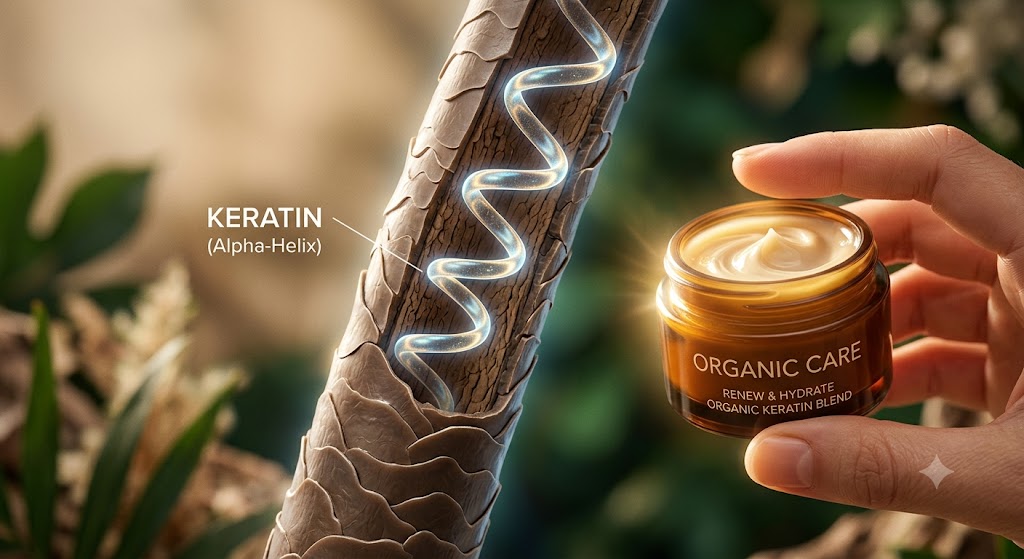
Alpha-keratin forms the structural basis of hair and nails in mammals including humans. The coiled structure of alpha-keratin chains provides both strength and flexibility, allowing hair to bend without breaking and nails to absorb impact without immediate fracture. When keratin structures remain intact and properly hydrated, they deliver the combination of strength and suppleness that healthy hair and nails demonstrate visually and functionally.
Keratin’s Role in Hair Structure and Appearance
Each hair strand contains approximately 95% keratin by composition, making it the primary determinant of hair strength, texture, shine, and resilience. The outermost layer of each hair shaft, called the cuticle, consists of overlapping keratin scales that protect the inner cortex containing the pigment cells that determine hair color.
When the cuticle lies flat and the keratin scales interlock properly, hair reflects light evenly and appears glossy and smooth. Chemical processing, heat styling, UV exposure, and mechanical friction from rough handling all lift and damage cuticle keratin scales, creating the frizzy, dull, and fragile hair appearance that people associate with damage and poor hair health.
The hair cortex contains keratin filaments that determine hair’s tensile strength, the force required to break a strand. Damaged or depleted cortical keratin weakens hair structurally, increasing breakage during brushing, styling, and even ordinary movement that healthy hair tolerates without damage.
Keratin’s Function in Skin Barrier Protection
The outermost layer of skin, the stratum corneum, consists of flattened dead cells filled with keratin that form the physical barrier separating internal body systems from the external environment. This keratin-rich barrier prevents water loss that would otherwise cause rapid dehydration, blocks the entry of environmental pollutants and pathogens, and provides mechanical protection against minor abrasions and impacts.
Skin conditions including eczema, psoriasis, and ichthyosis all involve disrupted keratin production or structural abnormalities in the skin keratin barrier. People with these conditions experience the practical consequences of compromised keratin in skin: increased water loss, heightened sensitivity to environmental irritants, and reduced resistance to infection through compromised barrier integrity.
Healthy keratin production and maintenance in skin directly correlates with the hydration, smoothness, and resilience that healthy skin demonstrates. Supporting the biological processes that produce and maintain skin keratin delivers benefits that surface-level moisturizers and topical treatments cannot fully compensate for when underlying keratin production is insufficient.
Nail Keratin and the Signs of Deficiency
Nails consist almost entirely of hard alpha-keratin in a densely packed structure that provides rigidity while retaining enough flexibility to resist impact fracture. Keratin deficiency or damage in nails manifests as brittleness, splitting, peeling, ridging, and slowed growth that many people attribute to surface damage without recognizing the underlying protein deficiency driving these symptoms.
The nail plate grows from the nail matrix at the base of the nail, with new keratin cells continuously pushing older cells outward to extend nail length. Nutritional deficiencies in the amino acids and cofactor nutrients that keratin synthesis requires slow this growth process and reduce the structural quality of newly produced nail keratin, creating visible deterioration in nail appearance and durability.
How to Protect, Restore, and Boost Keratin in Hair and Skin Naturally and Professionally
Protecting existing keratin and supporting the body’s natural keratin production requires understanding both the nutritional inputs that keratin synthesis demands and the environmental factors that accelerate keratin degradation in hair and skin.
Nutrition Drives Keratin Production From the Inside
Keratin synthesis requires specific amino acids, vitamins, and minerals that the body sources directly from dietary intake. Cysteine, the amino acid most concentrated in keratin molecules, comes from protein-rich foods including eggs, poultry, dairy products, legumes, and sunflower seeds. Adequate total protein intake provides the raw amino acid material that keratinocyte cells assemble into keratin structures throughout the body.
Biotin, a B-complex vitamin, supports keratin infrastructure by serving as a cofactor in fatty acid synthesis processes that maintain the health of keratinocyte cells responsible for keratin production. Research confirms that biotin deficiency associates with brittle nails, hair loss, and skin rash, all reflecting compromised keratin structure. Eggs, salmon, sweet potatoes, almonds, and spinach all deliver meaningful biotin quantities through regular dietary inclusion.
Zinc supports keratin synthesis through its role in cell division and protein synthesis processes that keratinocyte production requires. Zinc deficiency manifests in hair loss, delayed wound healing, and nail abnormalities that reflect impaired keratin production capacity at the cellular level. Shellfish, red meat, pumpkin seeds, and legumes all provide dietary zinc that supports keratin production throughout the body.
Vitamin A regulates the maturation of keratinocyte cells and controls the rate at which the body produces and sheds keratin-containing cells. Both deficiency and excess of vitamin A disrupt normal keratin metabolism, with deficiency causing rough skin and hair loss while excess creates conditions including hair thinning and skin peeling that reflect overactivated keratin shedding processes.
Professional Keratin Treatments and What They Actually Do
Professional keratin hair treatments, commonly marketed as Brazilian blowouts or keratin smoothing treatments, apply hydrolyzed keratin protein to damaged hair shafts alongside a chemical carrier that helps keratin penetrate the hair cortex and bond to existing protein structures.
Hydrolyzed keratin consists of keratin protein broken into smaller fragments through chemical or enzymatic processing that reduces molecular size sufficiently for penetration through the cuticle layer into the cortex. These smaller keratin fragments bond to damaged areas within the hair shaft, filling structural gaps that chemical processing and heat damage created and restoring some of the tensile strength and surface smoothness that intact keratin provides.
The benefits of professional keratin treatments typically last three to six months before normal hair washing, styling, and environmental exposure gradually removes the deposited protein. Maintaining keratin treatment results requires sulfate-free shampoo that strips deposited protein more slowly, reduced heat styling frequency, and protective styling practices that minimize mechanical friction on treated hair.
Heat Protection Preserves Natural Keratin
Heat styling tools including flat irons, curling wands, and blow dryers damage keratin by breaking the hydrogen bonds that maintain the protein’s structural configuration and degrading the disulfide bonds that give keratin its characteristic strength. Temperatures above 230 degrees Celsius cause irreversible keratin damage that no conditioning treatment fully restores once it occurs.
Applying heat protectant products before any heat styling reduces thermal energy transfer to the hair shaft and preserves keratin structure by forming a protective layer between the heat source and the protein. Reducing heat styling frequency, using the lowest effective temperature settings, and allowing hair to air dry partially before applying heat all protect existing keratin from preventable degradation.
Protecting Skin Keratin From Environmental Damage
UV radiation damages skin keratin barrier function by oxidizing the proteins within keratinocytes and disrupting the orderly arrangement of keratin filaments that maintain barrier integrity. Broad-spectrum sunscreen application prevents UV-induced keratin oxidation and preserves skin barrier function that inadequately protected skin loses progressively through cumulative sun exposure over years and decades.
Harsh soaps, detergents, and skin care products with high pH values disrupt the keratin structure of the skin barrier by breaking apart the protein bonds that maintain its integrity. Using gentle cleansers formulated for skin pH maintenance, moisturizing immediately after washing to replace barrier lipids, and avoiding prolonged hot water exposure all protect skin keratin from unnecessary depletion through everyday hygiene practices.
Conclusion:
Keratin deserves recognition as one of the most functionally important proteins in the human body rather than simply a beauty industry marketing term. Strong hair, resilient nails, and effective skin barrier protection all depend on keratin quality and quantity that nutrition, lifestyle choices, and protective practices directly determine. Supporting keratin through adequate protein and micronutrient intake, protecting existing keratin from heat and chemical damage, and using professional treatments strategically when restoration is genuinely needed all contribute to the visible and functional outcomes that healthy keratin produces. Your hair, skin, and nails reflect what your keratin does every day. For more practical beauty science, health guides, and evidence-based wellness content that delivers real results, visit DailyInfoRoom where knowledge meets the questions your body is already asking.