


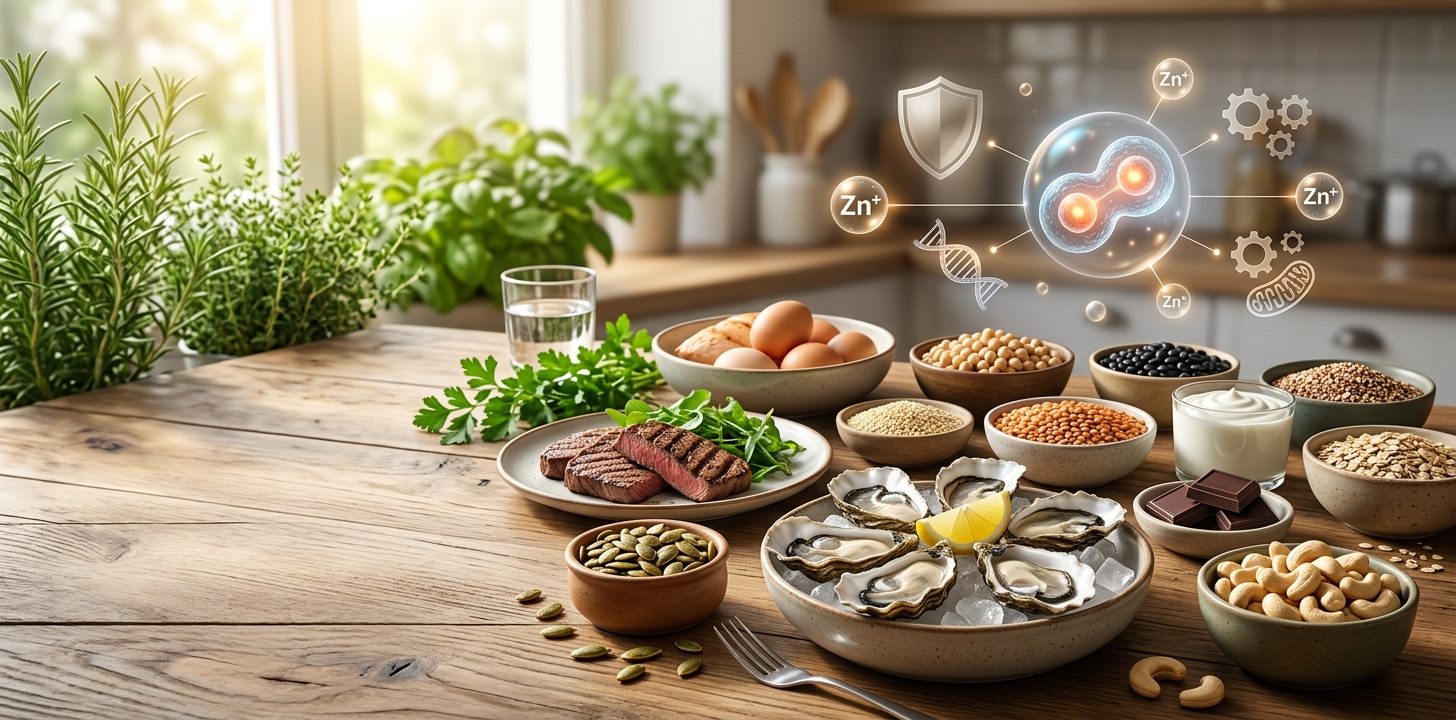
Foods Rich in Zinc deserve a permanent place at the center of every informed nutrition conversation because zinc drives biological processes so fundamental that no cell in the human body can divide, repair, or function optimally without adequate zinc availability. This essential trace mineral participates in over 300 enzymatic reactions spanning immune defense, protein synthesis, DNA replication, wound healing, taste and smell perception, hormonal regulation, and reproductive health. Unlike some nutrients the body stores in significant quantities, zinc reserves deplete rapidly during illness, stress, intense physical training, and inadequate dietary intake, making consistent daily consumption of quality Foods Rich in Zinc essential for maintaining the physiological functions that zinc-dependent enzymes control across every major body system simultaneously.
The Most Powerful Foods Rich in Zinc That Science Consistently Identifies
Foods Rich in Zinc exist across animal and plant food categories, giving every dietary pattern genuine options for meeting the adult recommended dietary allowance of 8 milligrams daily for women and 11 milligrams daily for men through whole food sources that deliver zinc alongside complementary nutrients that enhance its absorption and utilization.
Oysters: The Undisputed Zinc Champion
Oysters stand as the most concentrated Foods Rich in Zinc available from any food source on earth, delivering an extraordinary 74 milligrams of zinc per 100-gram serving that surpasses every other dietary zinc source by a margin so large that no other single food comes close. A single medium oyster provides approximately 5.5 milligrams of zinc, meaning two oysters cover an adult woman’s entire daily zinc requirement from a single small appetizer portion.
The zinc in oysters occurs in a highly bioavailable form accompanied by the protein matrix and cofactor nutrients that maximize intestinal zinc absorption efficiency. Coastal populations whose traditional diets include regular oyster consumption historically show lower rates of zinc deficiency-related conditions including impaired immune function, delayed wound healing, and reproductive difficulties than inland populations whose diets exclude shellfish entirely.
Oysters also deliver copper, selenium, vitamin B12, and omega-3 fatty acids alongside their exceptional zinc content, creating a nutritional profile that makes them among the most nutrient-dense Foods Rich in Zinc available regardless of preparation method. Steamed, grilled, raw, or incorporated into seafood dishes, oysters provide zinc concentrations that no other food source replicates.
Red Meat: The Most Accessible Animal Zinc Source
Beef, lamb, and pork all qualify as practical everyday Foods Rich in Zinc that most households consume regularly across various meal formats. A 100-gram serving of cooked beef provides approximately 6.3 milligrams of zinc, covering 57 to 79% of adult daily requirements from a single main course serving.
The zinc in red meat comes packaged with heme iron, B vitamins, complete protein, and creatine that amplify the nutritional value of each serving beyond zinc alone. Red meat also contains cysteine and methionine, sulfur-containing amino acids that enhance zinc absorption from other Foods Rich in Zinc consumed in the same meal by reducing the impact of phytate-based absorption inhibitors that plant zinc sources contain.
Ground beef, sirloin steak, lamb chops, and pork tenderloin all deliver meaningful zinc contributions that vary primarily with fat content and cooking method rather than zinc concentration. Leaner cuts provide comparable zinc per gram of protein to fattier cuts while delivering fewer total calories per serving for people managing caloric intake alongside zinc adequacy goals.
Pumpkin Seeds: The Plant Kingdom’s Zinc Leader
Pumpkin seeds lead the plant-based Foods Rich in Zinc category with approximately 7.6 milligrams of zinc per 100-gram serving, making them the most zinc-dense plant food available in most markets worldwide. A quarter-cup serving of pumpkin seeds delivers approximately 2.5 milligrams of zinc alongside magnesium, phosphorus, manganese, copper, and plant protein that contribute comprehensively to daily mineral requirements.
Raw pumpkin seeds retain slightly higher zinc content than roasted varieties because heat processing reduces some zinc bioavailability, but both forms contribute meaningfully to daily zinc intake when incorporated regularly into meals and snacks. Soaking pumpkin seeds in water for eight to twelve hours before consumption reduces the phytic acid content that inhibits zinc absorption from plant sources, improving the bioavailability of the zinc that pumpkin seeds contain in ways that significantly enhance their practical effectiveness as Foods Rich in Zinc for plant-based eaters.
Hemp seeds, sesame seeds, and sunflower seeds all contribute zinc alongside pumpkin seeds within the seed category, creating multiple options for people who want to distribute zinc intake across different seed varieties rather than relying exclusively on one type throughout the week.
Legumes: Practical Everyday Plant Zinc Sources
Chickpeas, lentils, black beans, kidney beans, and soybeans all qualify as practical Foods Rich in Zinc for plant-based eaters and omnivores who rely on legumes as affordable, versatile protein sources across multiple weekly meals. Cooked chickpeas provide approximately 1.5 milligrams of zinc per 100-gram serving, while cooked lentils deliver approximately 1.3 milligrams per comparable portion.
Legume zinc absorption improves significantly when preparation methods reduce phytic acid content that raw and inadequately prepared legumes contain at levels that inhibit mineral absorption from plant sources. Soaking dried legumes overnight before cooking, sprouting them before consumption, and fermenting legume-based foods all reduce phytic acid content by 50 to 75% and increase the zinc bioavailability that preparation-intensive cooking methods deliver compared to canned legumes that skip these zinc-enhancing preparation steps.
Additional Foods Rich in Zinc and How to Maximize Your Daily Absorption
Beyond the primary zinc sources, several additional Foods Rich in Zinc contribute meaningfully to daily intake across diverse dietary patterns while specific preparation and combination strategies maximize how effectively dietary zinc translates into cellular availability that body functions require.
Dairy Products and Eggs
Dairy products including cheese, milk, and yogurt provide Foods Rich in Zinc that most Western dietary patterns include daily through regular consumption patterns that contribute zinc alongside calcium, phosphorus, and vitamin D that support bone and muscle health simultaneously.
Parmesan cheese delivers approximately 2.75 milligrams of zinc per 30-gram serving, making it one of the most zinc-concentrated dairy Foods Rich in Zinc per gram consumed. Cheddar and Swiss cheeses provide approximately 1 to 1.5 milligrams per 30-gram serving, while a cup of plain yogurt contributes approximately 1.7 milligrams of zinc toward daily requirements.
Eggs deliver approximately 0.6 milligrams of zinc per large egg alongside choline, vitamin D, selenium, and high-quality complete protein that makes them nutritionally versatile Foods Rich in Zinc for daily breakfast consumption that most people maintain as a consistent dietary habit across years without flavor fatigue or preparation monotony.
Nuts for Daily Zinc Contribution
Cashews lead the nut category among Foods Rich in Zinc, providing approximately 5.6 milligrams of zinc per 100-gram serving. A standard 28-gram handful of cashews delivers approximately 1.6 milligrams of zinc alongside magnesium, copper, manganese, and heart-protective monounsaturated fats that make cashews one of the most nutritionally complete nut options for people seeking Foods Rich in Zinc as portable daily snacks.
Almonds, pine nuts, and pecans all contribute zinc concentrations between 1 and 3 milligrams per 100-gram serving, adding meaningful zinc contribution to daily totals when people consume mixed nut combinations rather than relying on a single nut variety. Varied nut consumption also distributes the unique polyphenol and fatty acid profiles that different nut species provide, maximizing the overall health impact beyond zinc contribution alone.
Whole Grains Contribute Moderate Zinc
Quinoa, oats, brown rice, and whole wheat all contribute moderate zinc quantities as Foods Rich in Zinc when consumed as everyday meal components that replace refined grain alternatives stripped of mineral content during processing. Cooked quinoa provides approximately 1.1 milligrams of zinc per cup, while rolled oats deliver approximately 1.3 milligrams per cooked cup.
The phytic acid content of whole grains inhibits zinc absorption from these plant sources in ways that reduce their practical effectiveness as Foods Rich in Zinc compared to their total zinc content suggests. Fermenting grain products through sourdough processes, sprouting whole grains before cooking, and consuming whole grain foods alongside animal protein sources that contain absorption-enhancing amino acids all improve the bioavailability of zinc that whole grains supply as part of a varied mixed diet.
Combining Foods Rich in Zinc Strategically
The absorption of zinc from Foods Rich in Zinc increases when specific food combinations create the digestive environment that maximizes intestinal zinc uptake. Consuming plant-based Foods Rich in Zinc alongside animal protein sources provides cysteine and methionine amino acids that actively enhance zinc absorption through a mechanism that reduces phytate interference at the intestinal absorption site.
Vitamin C consumed alongside plant-based Foods Rich in Zinc does not enhance zinc absorption the way it enhances iron absorption, but its anti-inflammatory effects support the immune functions that adequate zinc levels enable, creating a beneficial functional synergy despite the absence of a direct absorption enhancement mechanism between these two nutrients.
Avoiding high-dose calcium supplements, coffee, and tea within two hours of consuming Foods Rich in Zinc reduces the competitive inhibition and polyphenol-mediated absorption interference that these substances create for zinc absorption from both animal and plant sources. Timing zinc-rich meals away from these inhibitory factors meaningfully improves daily zinc status without requiring any change to total dietary zinc intake.
Conclusion:
Foods Rich in Zinc give every person the practical tools to meet daily zinc requirements through enjoyable, accessible, and diverse dietary choices that span oysters, red meat, pumpkin seeds, legumes, dairy products, eggs, nuts, and whole grains across every meal of every day. Zinc deficiency impairs immune defense, slows wound healing, disrupts hormonal balance, reduces cognitive function, and undermines reproductive health in ways that consistent Foods Rich in Zinc consumption prevents reliably through daily dietary attention rather than expensive supplementation. Build your weekly grocery list around consistent inclusion of high-quality zinc sources and apply the preparation strategies that maximize bioavailability from plant-based options. For more evidence-based nutrition guides, mineral health content, and practical dietary advice that genuinely transforms your wellbeing, visit DailyInfoRoom where the nutritional knowledge your body needs finds the readers ready to act on it.












