


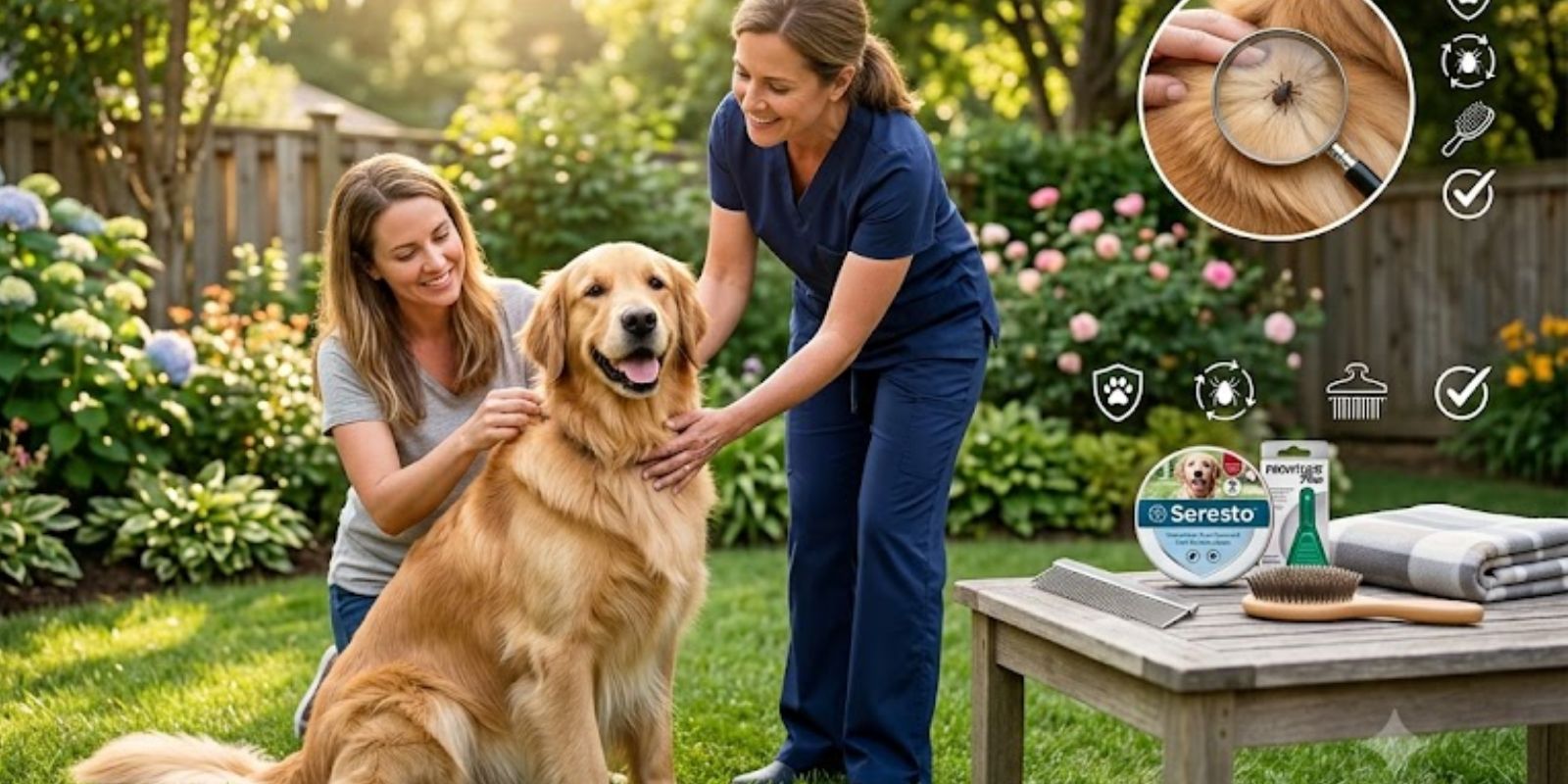
Dogs bring happiness, loyalty, and companionship to every home. Pet owners also carry the responsibility of protecting their dogs from common health problems. Ticks rank among the most dangerous parasites because they feed on blood and spread serious diseases. A few ticks can quickly turn into a larger infestation if owners ignore the early signs. Every pet owner should understand the risks and take action before the situation becomes difficult to manage. Everything Pet Owners Must Know About How to control ticks begins with proper knowledge, regular care, and simple preventive habits. Early attention helps dogs stay healthy, active, and comfortable throughout the year.
Why Ticks Are Dangerous for Dogs
Ticks attach themselves to a dog’s skin and feed on blood. They often hide around the ears, neck, paws, under the collar, between the toes, and near the tail. Many dogs show very few symptoms during the early stages of an infestation. Pet owners should inspect these areas after outdoor walks.
Tick bites can cause skin irritation, itching, redness, swelling, and discomfort. Some dogs scratch or bite the affected area constantly. Heavy infestations may lead to weakness, blood loss, or reduced energy levels.
Ticks can also carry harmful diseases. Lyme disease, ehrlichiosis, anaplasmosis, and babesiosis can affect dogs after an infected tick bite. These illnesses may cause fever, joint pain, loss of appetite, swollen lymph nodes, and difficulty walking. Early diagnosis improves treatment outcomes and helps prevent complications.
Pet owners should check their dogs every day after visits to parks, gardens, forests, or grassy areas. Quick removal reduces the chance of disease transmission.
Owners should remove ticks with fine tipped tweezers or a proper tick removal tool. Grip the tick close to the skin and pull it upward with steady pressure. Clean the bite area with an antiseptic after removal. Never crush the tick with bare fingers.
Best Ways to Prevent and Control Tick Infestations
Prevention remains the most effective way to protect dogs from ticks. Veterinarians recommend regular tick prevention products that match the dog’s age, size, and health condition. Many options include spot on treatments, oral medications, tick collars, and medicated shampoos.
Keep your yard clean throughout the year. Trim tall grass, remove weeds, clear fallen leaves, and reduce damp areas where ticks hide. Clean kennels, bedding, blankets, and toys regularly. Wash pet bedding with hot water to eliminate parasites and their eggs.
Brush your dog frequently to detect ticks before they attach firmly. Bathing your dog with veterinarian approved products also supports healthy skin and coat condition.
Limit your dog’s access to areas with heavy vegetation during peak tick seasons. Stay on walking paths whenever possible. Examine your clothing and shoes after outdoor activities because ticks can enter your home and later attach to pets.
Visit your veterinarian if your dog develops unusual symptoms after a tick bite. Professional care helps identify infections early and supports faster recovery. Routine veterinary checkups also help maintain your dog’s overall health.
Good nutrition strengthens your dog’s immune system. Fresh drinking water, balanced meals, regular exercise, and proper grooming all contribute to better health and greater resistance to illness.
Every family member should learn how to identify ticks and remove them safely. Quick action protects both pets and people because some tick species can also carry diseases that affect humans.
Conclusion:
Tick prevention requires regular attention and simple daily habits. Frequent inspections, proper grooming, clean surroundings, and veterinarian recommended preventive treatments reduce the risk of tick infestations and tick-borne diseases. Pet owners who act early protect their dogs from unnecessary pain and serious health problems. Healthy dogs enjoy happier and more active lives with consistent care and responsible ownership. Keep your dog protected throughout every season by making tick prevention part of your routine. Visit DailyInfoRoom for more informative articles, practical pet care tips, and trusted guides that help you keep your beloved pets safe and healthy.












