


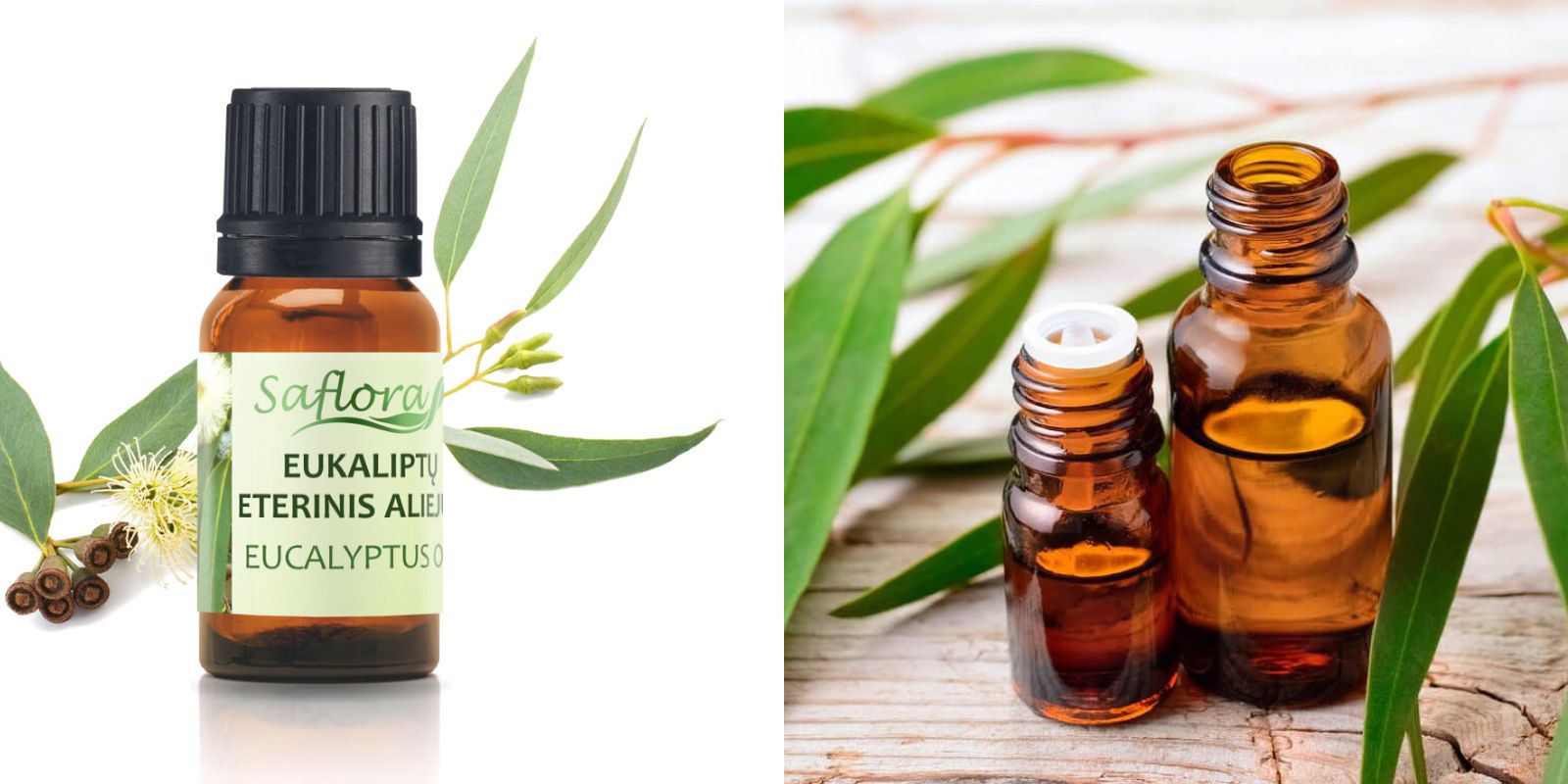
Eucalyptus essential oil has earned its place as one of the most versatile and widely used oils in natural wellness. Extracted from the leaves of the eucalyptus tree native to Australia but now grown across the globe this powerful oil carries a sharp, clean scent that most people recognize instantly. For centuries, indigenous Australians used eucalyptus leaves to treat wounds and infections. Today, modern science backs many of those traditional uses with solid research. Whether you want to breathe easier, soothe sore muscles, or clean your home naturally, eucalyptus essential oil delivers real, practical benefits that go far beyond just smelling good.
Top Health Benefits and Everyday Uses of Eucalyptus Essential Oil
Eucalyptus essential oil works on multiple levels respiratory, antimicrobial, anti-inflammatory, and analgesic. That versatility makes it a staple in medicine cabinets, diffusers, and skincare routines worldwide.
Clears the Respiratory System
This is where eucalyptus essential oil truly shines. The oil contains a compound called cineole also known as eucalyptol which acts as a natural decongestant. It loosens mucus, reduces airway inflammation, and makes breathing noticeably easier. Add a few drops to a bowl of hot water, drape a towel over your head, and inhale the steam for fast, drug-free relief from congestion, sinusitis, and seasonal allergies. Many over-the-counter chest rubs already use eucalyptus as a primary ingredient and for good reason. It works.
Relieves Muscle and Joint Pain
Eucalyptus essential oil carries strong anti-inflammatory properties that make it effective for easing muscle soreness, joint pain, and arthritis discomfort. Dilute it with a carrier oil like coconut or almond oil and massage it directly into the affected area. The cooling sensation provides immediate comfort while the active compounds work deeper to reduce inflammation over time. Athletes and physiotherapists frequently recommend eucalyptus-based blends for post-workout recovery.
Fights Bacteria and Infections
Studies confirm that eucalyptus essential oil demonstrates significant antimicrobial activity against a range of bacteria and fungi. This makes it useful for treating minor cuts, wounds, and nail fungus when diluted and applied topically. It also works as a natural household disinfectant add it to a spray bottle with water and white vinegar for a chemical-free surface cleaner that genuinely kills germs.
Boosts Mental Clarity and Energy
Feeling foggy or mentally drained? Diffusing eucalyptus essential oil in your workspace can sharpen focus and boost alertness. Research suggests that inhaling eucalyptol stimulates the central nervous system, improving cognitive performance and reducing mental fatigue. It is a clean, natural alternative to reaching for another cup of coffee during an afternoon slump.
Supports Skin and Hair Health
Eucalyptus essential oil helps control excess oil on the scalp, soothes itchiness, and may support dandruff treatment when mixed into shampoo. For skin, its antimicrobial properties help keep breakouts in check. Always dilute it properly before applying to skin more on that below.
How to Use Eucalyptus Essential Oil Safely What You Must Know Before You Start
Eucalyptus essential oil is potent. Used correctly, it delivers powerful benefits. Used carelessly, it can cause skin irritation, allergic reactions, or worse. These safety guidelines protect you while getting the most from this oil.
Always Dilute Before Applying to Skin
Never apply eucalyptus essential oil directly to bare skin without diluting it first. Mix 2 to 3 drops of eucalyptus oil with one tablespoon of a carrier oil coconut, jojoba, or sweet almond oil all work well. This reduces the risk of irritation while still allowing the active compounds to absorb effectively.
Keep It Away from Children Under Two
Eucalyptus essential oil is not safe for infants or very young children. The cineole content can cause breathing difficulties in small children and should never be applied near their face, nose, or chest. Parents seeking respiratory relief for young children should consult a pediatrician before using any eucalyptus-based product.
Do a Patch Test First
Before applying eucalyptus essential oil to a larger area of skin, test a small diluted amount on your inner wrist or elbow. Wait 24 hours and check for redness, itching, or swelling. If any reaction occurs, discontinue use immediately.
Never Ingest It
Eucalyptus essential oil is toxic when swallowed, even in small amounts. It is strictly for topical use and aromatherapy only. Ingestion can cause nausea, vomiting, seizures, and serious organ damage. Keep the bottle stored safely out of reach of children and pets.
Use Quality, Pure Oil
Not all eucalyptus essential oils on the market are equal. Choose products that are 100% pure, therapeutic-grade, and free from synthetic additives or fillers. Look for the botanical name Eucalyptus globulus or Eucalyptus radiata on the label. Cheaper blended oils often lack the active compounds that make this oil effective.
Pregnancy and Medical Conditions
Pregnant women and individuals with epilepsy, high blood pressure, or liver conditions should consult a healthcare professional before using eucalyptus essential oil regularly. While generally considered safe for most healthy adults, individual health circumstances always matter.
Conclusion:
Eucalyptus essential oil is one of nature’s most effective and accessible wellness tools. From clearing congested airways and easing sore muscles to fighting bacteria and boosting mental focus, the benefits are real and well-supported. The key is using it correctly diluted, responsibly, and with awareness of who should avoid it. Add this powerful oil to your routine and experience the difference it makes in everyday health and wellbeing. For more practical health tips, natural remedies, and well-researched guides on topics that genuinely improve your life, visit Daily Info Room your trusted source for information that actually matters.












