


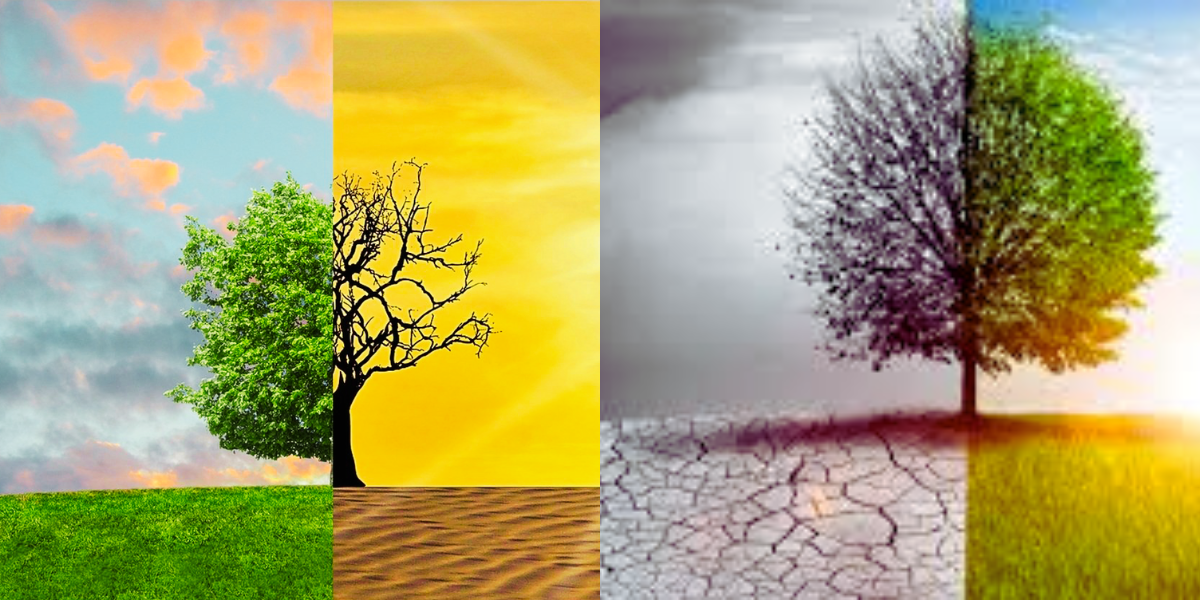
Climate change is one of the most serious challenges facing the world today, affecting the environment, economies, and human life. It refers to long-term changes in temperature and weather patterns, mainly caused by human activities such as burning fossil fuels and deforestation. These actions increase greenhouse gases, leading to global warming.
The impacts of climate change are visible worldwide. Rising temperatures cause melting glaciers, sea-level rise, and extreme weather events like floods, droughts, and heat waves. These changes threaten ecosystems, wildlife, and food production, putting millions of people at risk.
Climate Change and Its Impacts: Understanding the Global Crisis highlights one of the most urgent challenges facing humanity today. Climate change refers to long-term shifts in temperature and weather patterns, primarily caused by human activities such as burning fossil fuels, deforestation, and industrial emissions. These actions increase greenhouse gases in the atmosphere, leading to global warming and environmental imbalance.
One of the most visible impacts of climate change is rising global temperatures. This has led to melting glaciers, shrinking ice caps, and rising sea levels, which threaten coastal communities around the world. Extreme weather events such as floods, droughts, hurricanes, and heat waves are becoming more frequent and intense, affecting millions of people each year.
Climate change also has a serious impact on ecosystems and biodiversity. Many plant and animal species struggle to adapt to changing conditions, leading to habitat loss and extinction risks. Agricultural systems are also affected, resulting in reduced crop yields and food shortages in vulnerable regions.
Human health is another major concern. Increased air pollution, heat-related illnesses, and the spread of diseases are linked to climate change. Vulnerable populations, especially in developing countries, face the greatest risks due to limited resources and infrastructure.
Addressing climate change requires global cooperation and individual responsibility. Governments must implement policies that reduce carbon emissions, promote renewable energy, and protect natural resources. At the same time, individuals can contribute by conserving energy, reducing waste, and adopting sustainable lifestyles.
Conclusion:
Climate change is a global crisis that affects every aspect of life, from the environment to human health and economic stability. Understanding its causes and impacts is essential for taking meaningful action. By working together and making responsible choices, we can reduce its effects and protect the planet for future generations. Small actions can lead to significant change when combined with global efforts. For more informative and easy-to-understand content on important global issues, visit DailyinfoRoom, your trusted platform for knowledge, awareness, and practical guidance toward a better future.