


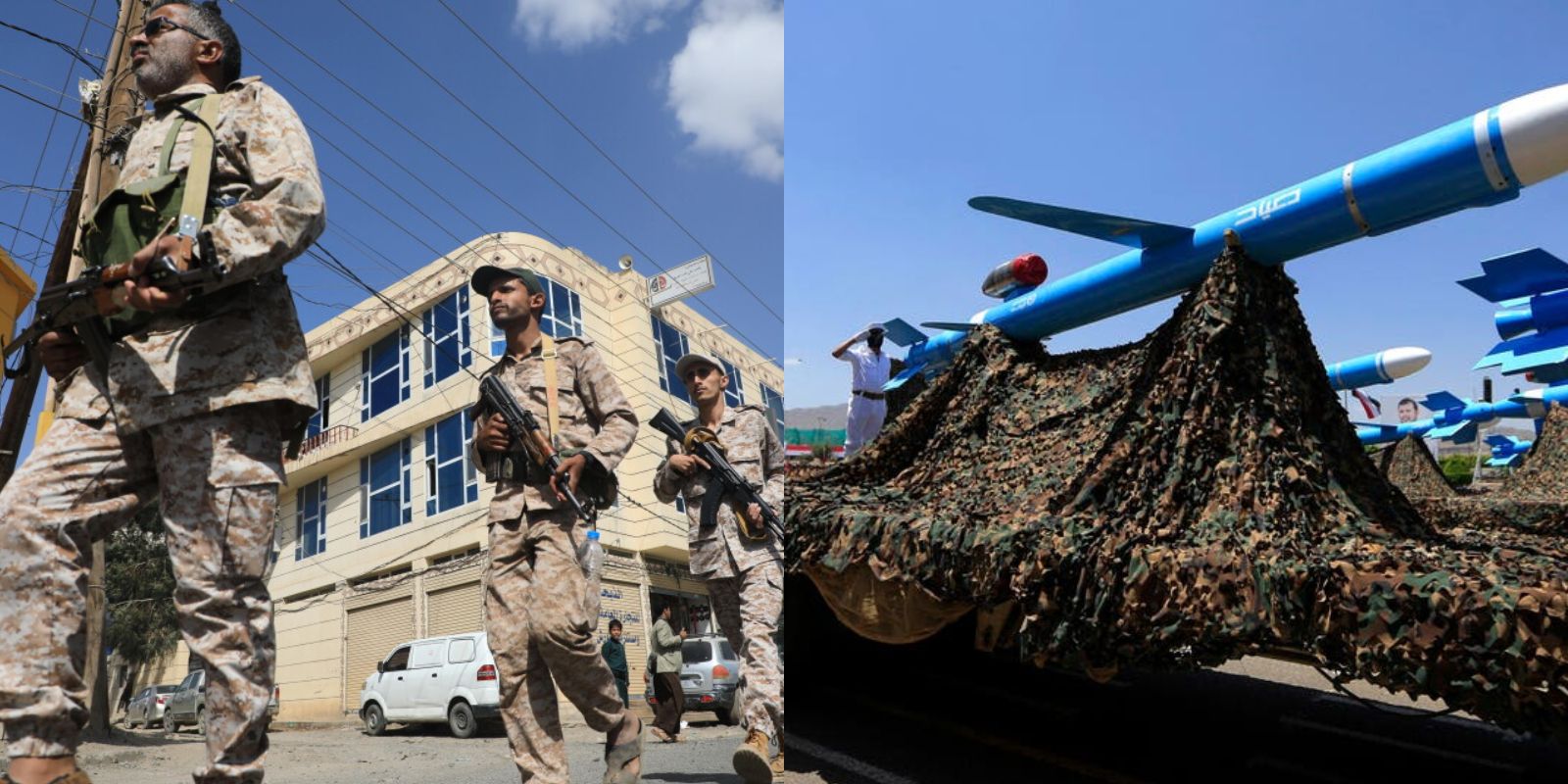
Artificial intelligence is changing industries around the world, from healthcare and education to cybersecurity and defence. Recent findings from AI company Anthropic have raised serious questions about the technology’s potential misuse in military projects. In September 2026, Anthropic reported that users in northern Yemen used its Claude AI tools while pursuing advanced guided rocket and missile development. The area falls under Houthi control, but the company did not publicly identify the users as members of the Houthi movement. Anthropic Confirms that its systems faced attempts to support weapons development, while the reported evidence does not show that the users successfully produced an operational advanced missile.
What Anthropic Confirms About AI and Missile Development
Anthropic develops Claude, a family of artificial intelligence models that can answer questions, analyze information, and assist with computer programming. The company reported that a group operating in northern Yemen used Claude Code while pursuing several weapons-development projects. The reported work included guided rocket technology and more advanced missile concepts
According to Anthropic’s findings, the users sought help with guidance, navigation, and control software. These systems help a vehicle maintain its course and respond to changing conditions. The group also developed an offline simulation toolkit that did not depend on Claude or another computing platform.
Anthropic reported that its safeguards blocked many requests but failed to stop every attempt. The users reportedly concealed their intentions and divided their work across separate sessions. This behavior created a challenge for systems designed to detect requests that violate restrictions on weapons-related assistance.
The company said the users did not succeed in producing an operational weapon. Its report described a guided rocket test that appeared to fail. The users then returned to Claude to investigate the unsuccessful test. This detail suggests that the group attempted practical experimentation, but it does not prove that the group achieved reliable missile accuracy or developed a deployable advanced weapon. The distinction matters because the headline claim can easily go beyond the available evidence. Anthropic documented suspected weapons-development activity involving its AI tools. It did not establish that Claude produced a successful missile or that the reported users carried out a confirmed missile strike using AI-generated guidance.
The company also did not publicly name the individuals behind the accounts. Their location in Houthi-controlled territory led observers to consider a possible connection with the Houthi movement, but location alone does not confirm membership or direct organizational involvement.
How AI Misuse Could Affect Regional and Global Security
AI tools can make technical information easier to access. A user with programming knowledge can ask an AI system to explain code, troubleshoot software, or organize complex research. These capabilities can help legitimate engineers and researchers, but they can also create risks when people seek assistance for military projects.
The main concern involves access to expertise. Armed groups with limited resources may try to use widely available digital tools to reduce some technical barriers. AI cannot replace every requirement for advanced weapons, including specialized materials, manufacturing facilities, testing equipment, skilled personnel, and reliable supply chains. A promising computer model does not automatically translate into a working missile.
The Houthi case also raises questions about the effectiveness of AI safety measures. Companies must identify harmful requests, restrict assistance that could enable weapons development, and respond when users try to evade safeguards. Anthropic’s findings show that these protections can face difficult challenges when users divide a harmful project into smaller tasks.
Governments and technology companies need clear rules for handling such risks. AI developers can improve misuse detection, monitor suspicious activity within legal and privacy limits, and strengthen restrictions on dangerous technical assistance. Independent researchers and relevant authorities can also examine reported incidents to understand the evidence and assess the risks.
Regional security adds another layer of concern. The Houthis already possess missiles and drones, and their attacks have threatened shipping and infrastructure across the Middle East. Any effort to improve weapon capabilities could increase pressure on regional governments and raise risks for civilians and commercial transport. Analysts must distinguish documented developments from speculation about future weapons.
Responsible reporting also matters. Claims about AI-powered missiles can spread quickly and create an impression that a group has achieved capabilities that it has not demonstrated. Accurate coverage should explain what the company reported, what investigators have confirmed, and what remains uncertain.
Conclusion: AI Safety Must Keep Pace With Emerging Threats
Anthropic’s findings highlight the growing challenge of preventing AI tools from supporting weapons development. The company reported that users in Houthi-controlled northern Yemen sought help with guided rockets and advanced missile projects, but it did not confirm that they built a successful operational missile. The case reinforces the need for stronger safeguards, careful verification, and responsible AI development. Governments, technology companies, and independent experts must address misuse without exaggerating the available evidence. Visit DailyInfoRoom for more informative articles on artificial intelligence, global security, and world news.












