


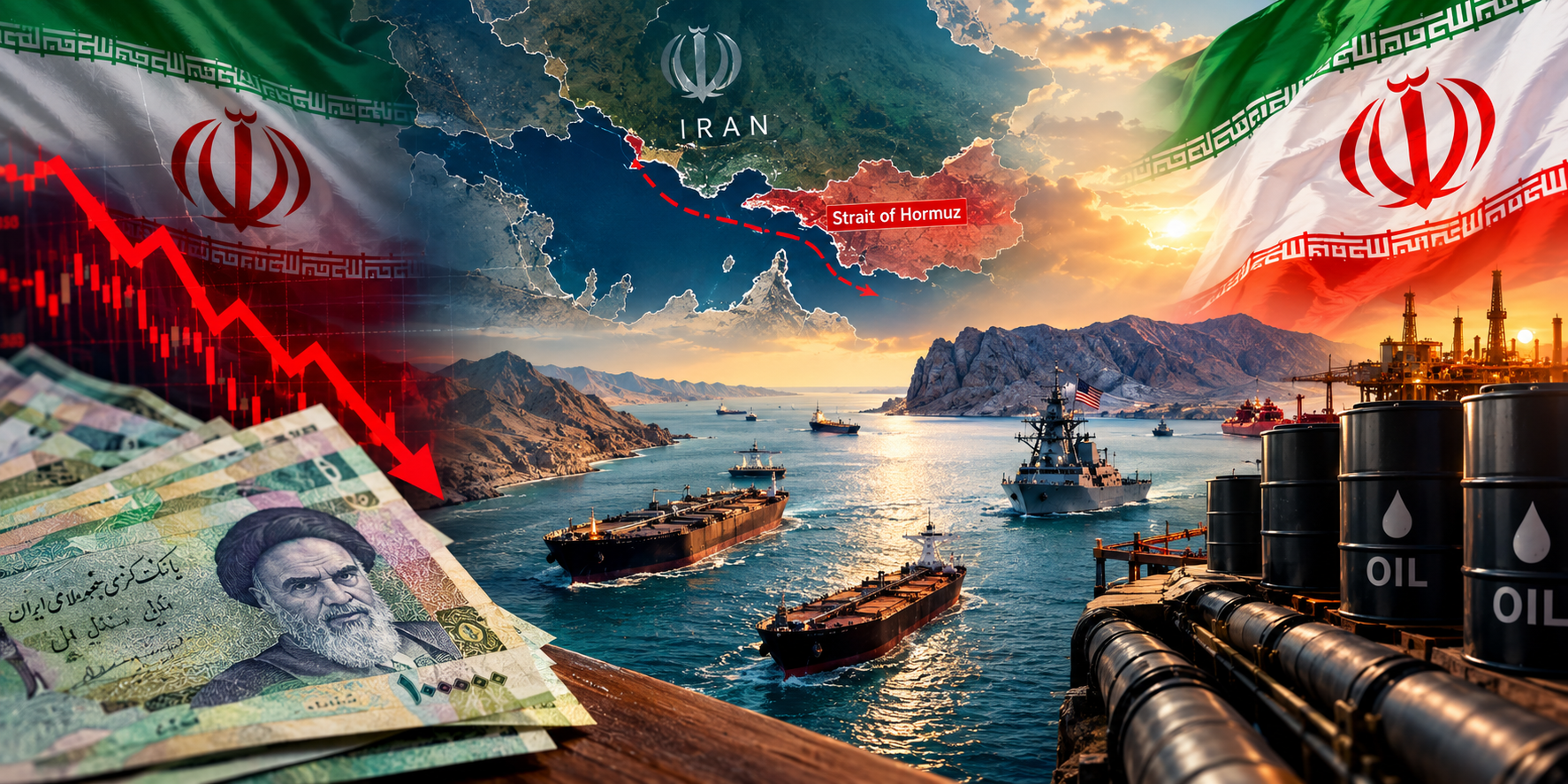
The Strait of Hormuz has become one of the most important pressure points in the global energy market. The narrow waterway connects the Persian Gulf with the Gulf of Oman and supports a major share of oil and gas shipments from the Middle East. Current tensions involving Iran, the United States, and regional energy producers have placed the Strait of Hormuz at the center of international attention. Iran says its armed forces maintain control over movements through the waterway and has linked reopening the strait to specific conditions in negotiations with Washington. At the same time, Iran faces a severe currency crisis, falling oil revenues, and pressure on its export network.
Why the Strait of Hormuz Matters to Global Energy Markets
The Strait of Hormuz plays a major role in international energy trade because several major oil and gas producers depend on the route to reach customers outside the Gulf. Saudi Arabia, Iraq, Kuwait, Qatar, the United Arab Emirates, and Iran have all relied on Gulf shipping networks for international energy trade.
Any serious disruption can affect more than crude oil supplies. Tanker availability, insurance costs, shipping routes, refined fuel supplies, and delivery times can also influence prices. Recent developments show how quickly the market can react when shipping security deteriorates.
Oil flows through the Strait of Hormuz have recovered significantly from the sharp disruption earlier in the year. Reuters reported on October 5 that flows had reached about 14.2 million barrels per day, around 80 percent of prewar levels. High tanker costs, insurance expenses, limited refining capacity, and continuing security concerns still keep energy markets under pressure.
Alternative routes have helped Gulf producers reduce some dependence on the waterway. Saudi Arabia can use its East West pipeline to transport crude toward the Red Sea. The United Arab Emirates also has infrastructure that allows some exports to bypass the strait. These options cannot completely replace Hormuz, but they can reduce the effect of a disruption.
Refined fuel markets face a different challenge. Recent reporting shows that refined petroleum shipments remain far below earlier levels, particularly diesel. This shortage has pushed fuel prices higher in several markets.
The global response has included emergency stock releases. G7 countries agreed to release 100 million barrels of oil and fuel from emergency reserves to reduce pressure on energy markets. OPEC plus producers also agreed to maintain production levels through November while monitoring market conditions.
These developments show why the Strait of Hormuz matters far beyond the Middle East. A disruption can create higher transportation costs, raise fuel prices, increase inflation pressure, and affect industries that depend heavily on energy.
Iran’s Rial Crisis and the Pressure on Oil Exports
Iran faces a serious economic challenge alongside the dispute over the Strait of Hormuz. The Iranian rial has reached record lows as sanctions, conflict, restrictions on oil exports, and financial pressure reduce confidence in the economy.
On October 4, reports placed the dollar near 2.723 million rials on Iran’s open market. The currency has experienced a dramatic decline during the conflict and wider economic crisis.
The currency crisis matters because Iran depends heavily on energy revenue. Oil exports provide a major source of foreign currency for the government and help finance imports and domestic spending. Restrictions on those exports can reduce the flow of dollars into the Iranian economy.
Recent reports indicate that Iran’s oil exports have faced severe disruption. Euronews reported on October 5 that the United States claimed Iran had not loaded crude onto tankers during September. The report also said Iran’s military continues to claim control over the Strait of Hormuz.
Iranian officials have continued to discuss reopening the waterway under certain conditions. Reuters reported that Tehran said the Strait of Hormuz would remain closed until conditions connected to an earlier agreement with Washington receive attention. Iranian officials have also indicated that reopening could occur within seven days if those conditions receive acceptance.
The situation creates a difficult economic calculation for Tehran. Restricting energy exports can place pressure on international markets and create strategic leverage. The same restrictions can also reduce Iran’s own access to export revenue at a time when the rial needs stronger foreign currency support.
The global energy market has shown some ability to adapt. Producers have used alternative pipelines, ship to ship transfers, longer routes, and other logistical methods to keep crude moving. September crude exports from the wider Gulf region recovered close to earlier levels, although security risks and higher transportation costs remain.
The future direction of energy markets will depend heavily on security around the waterway, diplomatic negotiations, Iran’s export capacity, and the ability of other producers to maintain supplies. Even if crude flows continue to recover, energy markets may remain sensitive because global inventories have already declined significantly.
Conclusion: What the Hormuz Crisis Means for the World
The Strait of Hormuz remains a critical part of the global energy system. Iran’s control claims, the decline of the rial, restrictions on oil exports, and continuing shipping risks have created pressure across regional and international markets. Alternative pipelines and emergency oil reserves can reduce some risks, but they cannot completely remove the strategic importance of the waterway. Higher shipping costs and weak refined fuel supplies can continue affecting consumers and businesses. Diplomatic progress could improve market stability, while renewed attacks or prolonged restrictions could create fresh volatility. Visit DailyInfoRoom for more informative content about energy, global markets, business, and world affairs.












