


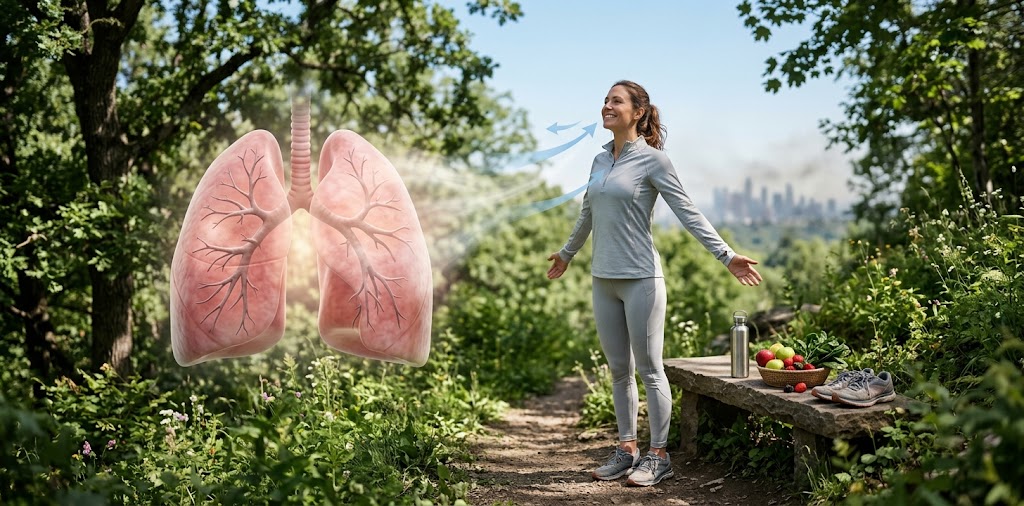
Healthy Lungs represent one of the most critical and most overlooked dimensions of long-term physical well being that most people take completely for granted until respiratory symptoms, reduced exercise capacity, or a serious diagnosis forces them to pay attention to organs they never consciously thought about before. Your lungs process approximately 11,000 liters of air daily, extracting the oxygen that every cell in your body requires for energy production while removing the carbon dioxide that metabolism generates as a waste product from every biological process sustaining your life. The daily choices you make about what you breathe, how you move, what you eat, and how you manage your environment either protect the Healthy Lungs capacity you currently possess or gradually diminish it through cumulative damage that compounds invisibly across years before symptoms appear.
The Most Important Daily Habits That Create and Protect Healthy Lungs
Building Healthy Lungs requires consistent application of specific daily practices that directly support lung tissue integrity, airway function, immune defense against respiratory infection, and the breathing efficiency that physical and cognitive performance depend on throughout your entire lifespan.
Stop Smoking and Avoid Secondhand Smoke Completely
Smoking represents the single most destructive habit for Healthy Lungs, responsible for approximately 85% of lung cancer cases and the primary cause of chronic obstructive pulmonary disease, the progressive lung condition that destroys breathing capacity and kills millions annually. Each cigarette delivers over 7,000 chemical compounds into lung tissue, including at least 70 confirmed carcinogens that damage the bronchial lining cells, paralyze the cilia that sweep debris and pathogens from airways, and trigger the chronic inflammation that destroys alveolar walls over years of cumulative exposure.
The lungs begin recovering immediately after smoking cessation regardless of how long or heavily the person smoked previously. Within two weeks of quitting, blood circulation improves and lung function begins measurably recovering. Within one year of cessation, excess lung cancer risk drops substantially compared to continuing smokers. Quitting smoking at any age delivers Healthy Lungs recovery benefits that justify the effort regardless of prior smoking history.
Secondhand smoke exposure creates lung damage comparable to direct smoking for people who spend significant time in smoke-filled environments. Children exposed to secondhand smoke develop lower lung function, higher rates of asthma, more frequent respiratory infections, and increased lifetime lung cancer risk that Healthy Lungs protection for young people demands eliminating through smoke-free home and vehicle policies.
Exercise Regularly to Build Breathing Capacity
Regular aerobic exercise builds Healthy Lungs capacity by challenging the respiratory system to work harder than resting conditions demand, triggering adaptations that increase lung efficiency, strengthen respiratory muscles, and improve the gas exchange that delivers oxygen to working tissues and removes carbon dioxide effectively.
Aerobic exercise including walking, running, cycling, swimming, and dancing increases the depth and efficiency of breathing during exertion, trains the diaphragm and intercostal muscles to work with greater strength and endurance, and expands the functional lung capacity that daily activities and emergency physical demands call upon in moments where respiratory reserve determines how well the body responds.
Research consistently shows that physically active individuals maintain Healthy Lungs function into older age at significantly better levels than sedentary counterparts with otherwise similar health profiles. The age-related decline in lung function that everyone experiences progresses more slowly in people who exercise regularly, preserving the breathing reserves that healthy aging requires for comfortable independent living.
Swimming deserves particular mention as a lung-building exercise because the water resistance that breathing against creates during swimming specifically strengthens respiratory muscles through a mechanism that other aerobic exercises do not replicate. Many respiratory physicians recommend swimming for people with asthma and other lung conditions because humid pool air typically triggers fewer bronchospasm episodes than cold or dry outdoor air during vigorous exercise.
Reduce Indoor Air Pollution Exposure
Indoor air quality directly affects Healthy Lungs function because people spend approximately 90% of their time in indoor environments where pollutant concentrations frequently exceed outdoor levels due to inadequate ventilation, off-gassing building materials, household chemical products, and combustion from cooking and heating appliances.
Ventilate your home consistently by opening windows when outdoor air quality permits, using exhaust fans during cooking and showering, and replacing indoor air regularly through cross-ventilation that dilutes the accumulated pollutants that airtight modern construction concentrates indoors. Research from the Environmental Protection Agency documents that indoor air in typical homes contains two to five times higher pollutant concentrations than outdoor air in most urban environments.
Cooking with gas stoves generates nitrogen dioxide, carbon monoxide, and particulate matter that damages Healthy Lungs through the same inflammatory mechanisms that outdoor air pollution activates, making kitchen ventilation through range hood use with outdoor exhaust capacity a specific Healthy Lungs protection measure that most people never consider.
Houseplants including peace lilies, spider plants, and Boston ferns contribute to Healthy Lungs indoor environments by absorbing some volatile organic compounds while producing oxygen that improves indoor air quality in naturally ventilated spaces. While plants cannot substitute for adequate mechanical ventilation in high-pollution indoor environments, they provide supplementary air quality benefits that complement other indoor pollution control strategies.
Nutrition and Breathing Practices That Build Healthy Lungs From the Inside Out
The foods you eat, the supplements you take, and the breathing practices you cultivate all contribute to Healthy Lungs function through mechanisms that range from reducing airway inflammation to strengthening the respiratory muscles that breathing efficiency depends on throughout daily life.
Eat Anti-Inflammatory Foods That Protect Lung Tissue
Healthy Lungs require constant protection against the oxidative stress and inflammatory processes that airborne pollutants, allergens, and respiratory infections generate continuously in lung tissue. Antioxidant-rich foods directly neutralize the free radicals that cause this oxidative damage and reduce the chronic airway inflammation that asthma, COPD, and other lung conditions involve.
Leafy green vegetables including spinach, kale, and broccoli contain sulforaphane, a compound that activates antioxidant defense genes within lung cells and provides particularly strong protection against the oxidative damage that air pollution triggers in bronchial tissue. Research from Johns Hopkins University confirmed that broccoli sprout extract reduces inflammation markers in lung tissue of people exposed to diesel exhaust, demonstrating a genuine protective mechanism for Healthy Lungs in polluted environments.
Berries including blueberries, strawberries, and raspberries provide anthocyanins that reduce inflammation in airway tissue and protect the alveolar walls from the oxidative damage that respiratory infection and pollution exposure generate. A study published in Nutrients confirmed that higher blueberry consumption associates with slower lung function decline in adults over 12 years of follow-up, supporting the dietary antioxidant hypothesis for Healthy Lungs preservation across the aging process.
Omega-3 fatty acids from fatty fish, walnuts, and flaxseeds reduce the systemic inflammation that contributes to airway hyper-responsiveness in asthma and the airway remodeling that chronic obstructive pulmonary disease involves. People with asthma who consume higher dietary omega-3 intake consistently show lower airway inflammation markers and better symptom control than those with lower omega-3 consumption across multiple controlled research investigations.
Practice Diaphragmatic and Pursed Lip Breathing
Breathing techniques that retrain the mechanics of respiration directly improve Healthy Lungs function by maximizing the volume of each breath, strengthening the primary breathing muscles, and improving the efficiency of gas exchange that shallow chest breathing fails to optimize.
Diaphragmatic breathing, also called belly breathing, trains the diaphragm to do the primary work of inhalation rather than relying on smaller, less efficient chest and neck muscles that most sedentary adults habitually use for routine breathing. Place one hand on your chest and one on your belly and focus each breath on expanding the belly outward during inhalation and drawing it inward during exhalation. Practice ten minutes of diaphragmatic breathing daily to build the respiratory muscle pattern that Healthy Lungs function optimally with across all activity levels.
Pursed lip breathing involves inhaling slowly through the nose and exhaling through lips pursed as if blowing out a candle, taking twice as long to exhale as to inhale. This technique creates a slight back pressure in the airways during exhalation that prevents the airway collapse that COPD and emphysema cause during forced exhalation. People without lung disease benefit from pursed lip breathing during vigorous exercise by slowing respiration rate and improving breathing efficiency in ways that reduce breathlessness and improve exercise tolerance.
Maintain Healthy Weight and Posture
Obesity compresses the diaphragm and reduces the space available for lung expansion during inhalation, reducing the tidal volume that each breath delivers and increasing the respiratory effort that maintaining adequate oxygen delivery requires throughout the day. People carrying excess abdominal weight experience measurably reduced lung function compared to healthy-weight individuals with otherwise identical respiratory health, making weight management a genuine Healthy Lungs intervention that most people never connect with their breathing capacity.
Posture directly determines how much space the chest cavity provides for lung expansion during inhalation. Chronic forward head posture and rounded shoulders compress the anterior chest and restrict the upward and outward movement of the rib cage that full inhalation requires. Standing tall, opening the chest, rolling shoulders back and down, and maintaining spinal alignment during both sitting and standing activities creates the physical space that Healthy Lungs need to expand fully with every breath taken throughout the entire waking day.
Conclusion:
Healthy Lungs depend on the daily decisions you make about smoking, air quality, physical activity, nutrition, and breathing technique that accumulate across years into either preserved respiratory capacity or progressive decline that chronic disease and reduced quality of life eventually reflect. Quitting smoking, exercising regularly, controlling indoor air quality, eating anti-inflammatory foods, and practicing proper breathing mechanics all contribute to the cumulative lung protection that nobody provides for you except yourself through consistent daily choices. Your lungs work every second of every day to keep you alive. Treating them with the consistent attention they deserve returns extraordinary long-term health dividends that no medical treatment after damage occurs can fully replicate. For more practical health guides, respiratory wellness content, nutrition science, and evidence-based lifestyle advice that genuinely protects your long-term health, visit DailyInfoRoom where the knowledge your body needs finds the readers committed to using it every single day.












