


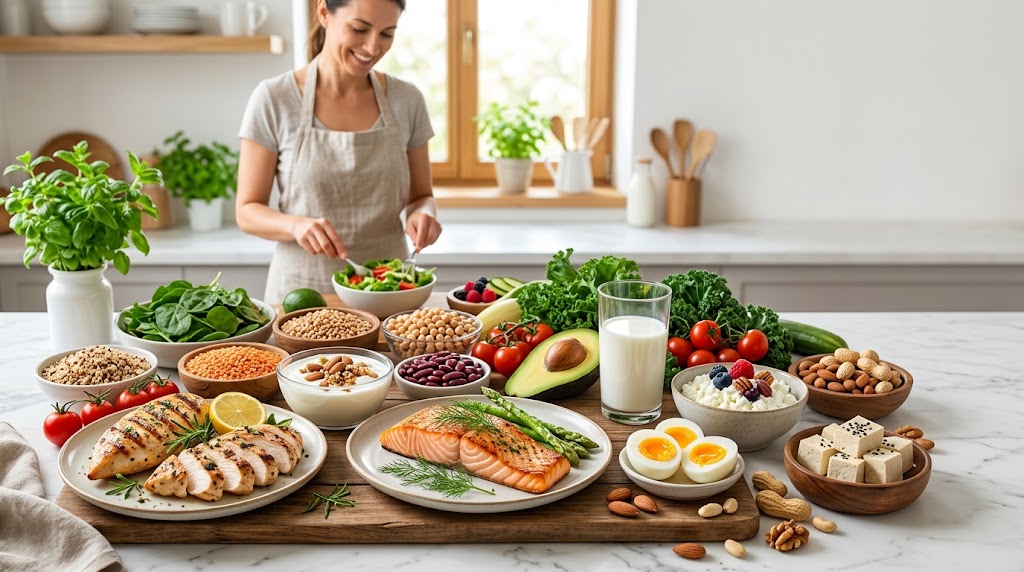
Protein stands as the most structurally essential macro nutrient in human biology, building and repairing every tissue in your body from muscle fibers and skin cells to enzymes, hormones, and immune system antibodies that protect you from disease and infection. Unlike carbohydrates and fats that the body stores as energy reserves, protein provides the amino acid building blocks that cellular construction and repair demand continuously without interruption. Most adults need between 0.8 and 1.6 grams of protein per kilogram of body weight daily depending on activity level, age, and health status, yet millions of people consistently fail to meet these requirements through dietary patterns that prioritize caloric satisfaction over nutritional completeness. Understanding which foods deliver the highest quality protein helps every person build a diet that genuinely supports long-term health, strength, and vitality.
The Best Animal-Based Protein Sources That Deliver Maximum Nutritional Value
Animal foods provide the most complete protein sources available in any diet because they contain all nine essential amino acids in proportions that match human physiological requirements more closely than most plant foods.
Eggs: The Gold Standard of Protein Quality
Eggs deliver one of the highest-quality proteins available from any food source, scoring a perfect 100 on the Protein Digestibility Corrected Amino Acid Score that nutritionists use to assess both the completeness and bio availability of dietary protein. A single large egg provides 6 grams of complete protein alongside choline, selenium, vitamin D, and vitamin B12 that make eggs one of the most nutritionally complete single foods available at any price point.
The protein in eggs concentrates primarily in the white, but the yolk contributes essential fat-soluble nutrients that protein absorption and utilization depend on alongside the additional protein that separating yolks eliminates unnecessarily. Eating whole eggs rather than egg whites alone delivers the complete nutritional package that this food’s exceptional protein score earns through its full amino acid profile and co-factor nutrient concentration.
Chicken Breast: The Lean Protein Champion
Cooked chicken breast provides approximately 31 grams of protein per 100-gram serving with minimal fat content that makes it the preferred protein source for athletes, bodybuilders, and health-conscious individuals who prioritize high protein density per calorie consumed. The leucine content in chicken breast specifically triggers the muscle protein synthesis response that strength training adapts to muscle building, making timing of chicken breast consumption around training sessions a practical performance nutrition strategy.
Chicken breast protein contains all nine essential amino acids in ratios that match skeletal muscle amino acid composition closely, explaining why research consistently shows chicken breast consumption associates with positive muscle building and preservation outcomes across diverse populations from elderly adults at risk of sarcopenia to competitive athletes seeking performance optimization.
Fish and Seafood: Protein With Heart-Healthy Benefits
Fatty fish including salmon, mackerel, sardines, and tuna deliver 20 to 25 grams of protein per 100-gram serving alongside the omega-3 fatty acids EPA and DHA that reduce systemic inflammation, support cardiovascular health, and enhance the brain function that adequate dietary fat enables. The protein in fatty fish combines with its anti-inflammatory omega-3 content to create a particularly valuable nutritional package for active individuals whose exercise-induced inflammation requires both protein for repair and omega-3s for recovery acceleration.
Tuna provides approximately 30 grams of protein per 100 grams in canned form, making it one of the most protein-dense and cost-effective protein foods accessible to everyday consumers who want high protein intake without premium food budgets. Canned sardines in olive oil provide comparable protein alongside calcium from edible bones, vitamin D, and omega-3s that make them one of the most nutritionally dense and affordable protein-rich foods available in any supermarket.
Greek Yogurt and Dairy: Casein and Whey Combined
Greek yogurt provides approximately 17 to 20 grams of protein per 200-gram serving through a combination of whey and casein proteins that absorb at different rates and collectively sustain amino acid availability in the bloodstream across extended periods following consumption. The slow-digesting casein component makes Greek yogurt particularly valuable as a pre-sleep protein source that supports overnight muscle protein synthesis during the repair processes that sleep hours enable.
Cottage cheese provides approximately 11 grams of protein per 100-gram serving through predominantly casein protein that makes it another effective slow-release protein food suited to sustained amino acid delivery needs throughout waking and sleeping hours. The versatility of cottage cheese across both sweet preparations with fruit and savory preparations with herbs and vegetables makes it one of the most practically useful high-protein dairy foods for people seeking to increase daily protein intake across varied meal contexts.
Plant-Based Protein Sources That Build a Complete and Balanced Diet
Plant foods provide protein across a wide range of concentrations and amino acid profiles, with specific plant protein sources delivering nutritional quality that rivals animal sources when dietary variety and preparation strategies optimize their amino acid contributions.
Legumes: The Plant Protein Powerhouse
Legumes including lentils, chickpeas, black beans, kidney beans, edamame, and soybeans provide the highest protein concentrations available from plant foods alongside fiber, iron, zinc, and B vitamins that make this food category one of the most nutritionally complete in any plant-based dietary pattern.
Cooked lentils deliver approximately 9 grams of protein per 100-gram serving alongside 8 grams of fiber that supports gut health, slows glucose absorption, and provides satiety that higher-calorie protein foods frequently lack at equivalent serving sizes. The affordability, shelf stability, and culinary versatility of lentils make them one of the most practical protein additions for people seeking to increase plant-based protein intake across diverse global cooking traditions.
Edamame provides approximately 11 grams of protein per 100-gram serving as one of the few plant foods containing all nine essential amino acids in sufficient quantities to qualify as a complete protein without requiring combination with complementary amino acid sources. Incorporating edamame as snacks, salad toppings, and grain bowl additions builds protein intake across daily eating patterns without requiring significant recipe modification or preparation effort.
Tofu and Tempeh: Fermented and Traditional Soy Protein
Tofu provides approximately 8 grams of protein per 100-gram serving in standard firm varieties, with extra-firm tofu delivering up to 10 to 12 grams depending on water content. The neutral flavor profile of tofu makes it one of the most culinarily versatile protein ingredients across stir-fries, soups, grain bowls, smoothies, and baking applications that expand protein intake across every meal category simultaneously.
Tempeh surpasses tofu in both protein concentration and bio availability, providing approximately 19 grams of protein per 100-gram serving in a fermented form that reduces the anti nutrients present in un fermented soy products and increases the accessibility of zinc, iron, and amino acids that intestinal absorption extracts more completely from fermented soy than from raw or unfermented preparations.
The fermentation process that produces tempeh also generates beneficial bacterial activity that supports gut microbiome health alongside the protein delivery that makes tempeh one of the most nutritionally significant plant-based protein choices available to health-conscious consumers.
Quinoa: The Complete Plant Protein Grain
Quinoa stands apart from all other grain-category foods through its status as a complete protein containing all nine essential amino acids in proportions that satisfy human physiological requirements without requiring complementary food combinations that incomplete plant proteins need to reach full amino acid sufficiency. Cooked quinoa provides approximately 4 grams of protein per 100-gram serving with a texture and culinary versatility that integrates naturally into breakfast bowls, lunch salads, dinner side dishes, and meal-prep preparations.
The complete protein profile of quinoa combined with its fiber content, mineral density, and gluten-free status makes it particularly valuable for individuals with celiac disease or gluten sensitivity who need high-quality protein sources outside the wheat, barley, and rye categories that their condition excludes from their dietary options.
Nuts and Seeds: Concentrated Protein in Small Packages
Hemp seeds deliver approximately 31 grams of protein per 100-gram serving as one of the most protein-dense foods available in the plant kingdom, providing complete protein with all essential amino acids alongside omega-3 fatty acids and gamma-linoleum acid that support anti-inflammatory biological processes. Adding three tablespoons of hemp seeds to smoothies, oatmeal, or salads contributes approximately 10 grams of complete plant protein without altering the flavor or texture of the host dish significantly.
Pumpkin seeds provide approximately 19 grams of protein per 100-gram serving alongside significant magnesium, zinc, and iron that many plant-based eaters need to monitor carefully in their dietary patterns. Almonds deliver approximately 21 grams of protein per 100-gram serving with monounsaturated fats, vitamin E, and calcium that make them one of the most nutritionally complete nut options for daily snacking and meal addition strategies.
Conclusion:
Protein-rich foods form the structural foundation of every healthy diet regardless of dietary philosophy, cultural tradition, or personal taste preference because the amino acids they supply support biological processes that no other macro nutrient can substitute for or replicate. Eggs, chicken breast, fish, Greek yogurt, legumes, tofu, quinoa, and seeds collectively cover every dietary preference and budget constraint while delivering the complete amino acid profiles that muscle building, immune function, hormone production, and cellular repair all require continuously. Building your daily meals around consistent protein sources from both animal and plant categories creates the nutritional diversity that long-term health demands. For more evidence-based nutrition guides, dietary science content, and practical food knowledge that genuinely improves your health every day, visit DailyInfoRoom where the nutritional wisdom your body needs finds the readers ready to apply it.












