

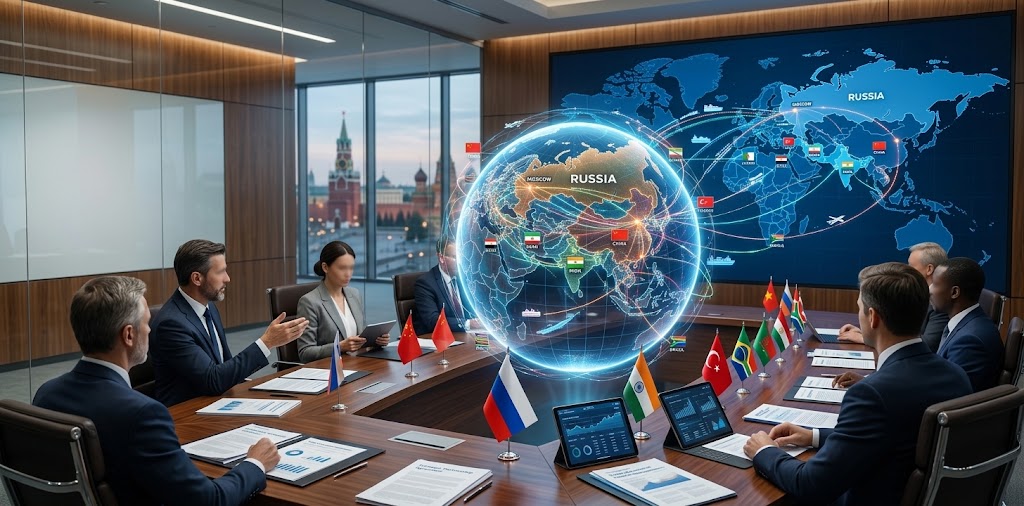
Russia’s Top Allies form one of the most consequential and closely watched alliance networks in contemporary geopolitics. When Western nations responded to Russia’s full-scale invasion of Ukraine in 2022 with sweeping sanctions, diplomatic isolation, and military support for Kyiv, many analysts predicted that Moscow would collapse under the combined economic and political pressure of a unified Western front. That prediction underestimated the depth and durability of Russia’s global partnerships. Russia benefits from a robust network of partners, allies, and fellow travelers that includes countries such as Belarus, China, India, Iran, and North Korea. These partnerships have helped Russia seize the initiative and gain the upper hand militarily in its Ukraine war, according to Norwegian intelligence assessments. Understanding who Russia’s top allies are and what each relationship delivers reveals how Moscow sustains its global position despite unprecedented Western pressure.
Russia’s Top Allies and the Strategic Value Each Relationship Delivers
Russia’s top allies each contribute distinct and complementary capabilities that collectively shield Moscow from the full impact of Western economic and diplomatic pressure while sustaining its military operations in Ukraine.
China: The Economic Lifeline
China occupies the most important position among Russia’s top allies because it provides the economic relationship that sustains Moscow’s war economy at a scale no other partner replicates. Bilateral trade in dollar terms reached $244.8 billion in 2024, up from $146.9 billion in 2021, and China ranks as a top buyer of Russian oil.
The US accuses China of helping to power Russia’s war effort in Ukraine by providing components used in arms production, such as microelectronics, that Russia can no longer source in the West because of sanctions. China officially maintains that it does not supply weapons to either side in the Ukraine conflict while expanding trade relationships that critics argue provide Russia with the technological and financial oxygen its war economy requires.
Putin and China have held high-profile joint military exercises and Putin has described China as an ally. The relationship operates without a formal military alliance treaty, maintaining Beijing’s diplomatic flexibility while delivering substantive support that Russia’s top allies network depends on as its primary economic anchor.
Belarus: The Frontline Partner
Belarus has been actively aiding Russia’s Ukraine war from the very start. President Alexander Lukashenko allowed Russian forces to use Belarusian territory as a launching pad for the initial assault on Kyiv and continues providing strategic depth, military infrastructure, and political alignment that places Belarus among Russia’s top allies in the most operational sense.
Belarus hosts Russian tactical nuclear weapons following a deployment announcement that raised alarm across NATO’s eastern flank. The country shares Russia’s military command structures through the Collective Security Treaty Organization and provides Moscow with a western buffer zone that both nations treat as essential to their shared security calculation.
Led by Russia, the CSTO remains the primary security vehicle for Eurasia, including Belarus, Kazakhstan, Kyrgyzstan, and Tajikistan. Belarus participates most actively and directly among all CSTO members in supporting Russia’s strategic objectives, making it the most operationally significant of Russia’s top allies in the European theater.
North Korea: The Arsenal Provider
Putin and North Korean leader Kim Jong Un signed a comprehensive strategic partnership pact in Pyongyang on June 19, 2024, including a mutual defence clause in case of aggression against either country. Kim expressed unconditional support for all of Russia’s policies, including full support and firm alliance for Russia’s war in Ukraine.
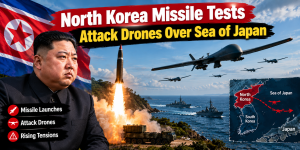
North Korea delivers military contributions to Russia’s top allies network that no other partner provides at comparable scale. Artillery ammunition shipments numbering in the millions of rounds have sustained Russian fire superiority at critical points throughout the Ukraine conflict. Ballistic missile transfers have given Russian forces extended strike range against Ukrainian infrastructure and population centers.
Putin said Russia would help North Korea build satellites in the technology transfer exchange that defines the partnership’s mutual benefit structure. Both governments receive what the other possesses in surplus: Russia receives ammunition and manpower, North Korea receives space technology, military expertise, and the combat experience its soldiers gain through direct deployment in Ukraine.
Iran: The Drone Arsenal
Russia and Iran signed a Treaty on Comprehensive Strategic Partnership in Moscow on January 17, 2025, formalizing decades of growing cooperation. The treaty covers politics, security, trade, transport, energy, and counter-terrorism, and commits both sides to closer coordination at the regional and global level.
The practical significance of Iran’s position among Russia’s top allies measures most clearly in weapons. Iran sold roughly $2.7 billion worth of ballistic and surface-to-air missiles to Russia under contracts dating back to October 2021, according to a Western security assessment reported in January 2026. Iranian Shahed kamikaze drones became signature weapons of Russia’s campaign against Ukrainian energy infrastructure, power generation facilities, and civilian areas that conventional Russian missile strikes could not saturate without exhausting expensive precision munitions.
Both countries share an interest in countering Western influence in the Middle East, and the partnership has deepened as each has become more isolated from Western economies. Shared isolation from Western financial and trade systems creates structural incentives for deepening cooperation that the 2025 comprehensive partnership treaty institutionalizes across multiple domains beyond weapons supply.
Russia’s Broader Alliance Network and What It Means for Global Order
Beyond its closest partners, Russia’s top allies network extends into the Global South, Central Asia, and across multiple international institutions where Moscow maintains the diplomatic relationships that prevent complete international isolation.
India: The Neutral Partner With Deep Ties
India occupies a unique position in Russia’s global partnership network, maintaining deep historical military and energy ties while refusing to align explicitly with either the Western coalition or Russia’s top allies bloc. Since the invasion, India has dramatically increased imports of discounted Russian oil, providing Moscow with significant current account support.
Russia’s official foreign policy doctrine identifies India as a key partner. The two countries maintain defense cooperation relationships stretching back to the Soviet era, with India operating significant quantities of Russian-origin military equipment that requires ongoing spare parts, maintenance, and upgrade cooperation from Russian defense industry sources.
India’s strategic autonomy posture serves Moscow’s interests by preventing the unified global coalition against Russia that Western governments sought to build following the Ukraine invasion. Every nation that maintains normal trade and diplomatic relations with Russia dilutes the isolation strategy that sanctions and diplomatic pressure depend on for effectiveness.
Africa: The Expanding Influence Zone
Russia has formalized defense agreements, grain supply deals, and energy partnerships with dozens of nations in Africa that declined to join Western-led sanctions regimes. Russia’s presence in sub-Saharan Africa has grown substantially, particularly in the Sahel region. Private military contractors, most notably the Africa Corps, successor to the Wagner Group, deployed in Mali, Burkina Faso, Niger, and Libya, providing security assistance in exchange for mining concessions and political alignment. According to a March 2026 report by the Africa Center for Strategic Studies, Russia’s active security presence now spans at least 13 African nations.
This African engagement delivers multiple strategic benefits to Russia simultaneously. Mining concessions provide resource revenues that reduce dependence on oil and gas export income. Political alignment among African Union member states reduces the margin by which Western-sponsored UN General Assembly resolutions condemning Russia pass. Security relationships create political loyalty that Russian diplomacy leverages across international institutions.
The BRICS Framework and Economic Alternatives
Russia uses its membership in BRICS, the grouping that now includes Brazil, Russia, India, China, South Africa, and several newer members, as a diplomatic and economic platform for building the alternative international financial architecture that reduces Western economic leverage. Trade settlement in national currencies rather than dollars, alternative payment systems bypassing SWIFT, and development financing outside Western-dominated institutions all advance Moscow’s strategic interest in reducing the effectiveness of Western sanctions.
Russia’s Foreign Minister Sergey Lavrov emphasized that the diplomatic focus is no longer solely about geopolitical alignment but about anchoring partnerships in mutual economic benefit, institutional cooperation, and diversified trade networks. This economic diplomacy approach builds relationships that Russia’s top allies network sustains even when military cooperation or formal alliance membership would create unacceptable political costs for partner governments.
What Russia’s Alliance Network Means for Western Strategy
The depth and durability of Russia’s top allies network forces Western policymakers to confront an uncomfortable strategic reality: the rules-based international order that Western nations built and defended across decades does not command universal loyalty from nations that view it through the lens of historical grievance, sovereignty concerns, or simple economic self-interest.
Russia’s closest allies are Belarus, North Korea, Tajikistan, China, and Kyrgyzstan. Russia’s global position is anchored by Belarus, China, North Korea, and Iran, with a deep partnership with India and growing reliance on Global South energy customers, while isolated from the European Union, the United Kingdom, the Nordics, and most of the Western alliance.
That isolation from Western nations appears more complete than it actually is because the countries Russia maintains normal relations with represent the majority of the world’s population, a significant portion of global economic output, and substantial shares of strategic resources that global supply chains depend on.
Conclusion:
Russia’s top allies provide Moscow with the economic lifelines, weapons supplies, diplomatic cover, and political alignment that sustain its global position despite the most comprehensive Western sanctions campaign in modern history. China supplies trade and technology access. North Korea supplies ammunition and troops. Iran supplies drones and missiles. Belarus supplies strategic territory and political loyalty. India supplies discounted oil purchases and diplomatic neutrality. Africa supplies political support across international institutions. Together these relationships constitute a genuine alternative international alignment that challenges the Western assumption that economic and diplomatic pressure alone can change Moscow’s strategic calculations. Understanding Russia’s top allies is essential for anyone following global affairs. For expert geopolitical analysis, international relations coverage, and global security reporting that keeps you fully informed, visit DailyInfoRoom where the world’s most important stories find the clear and reliable analysis they deserve.