


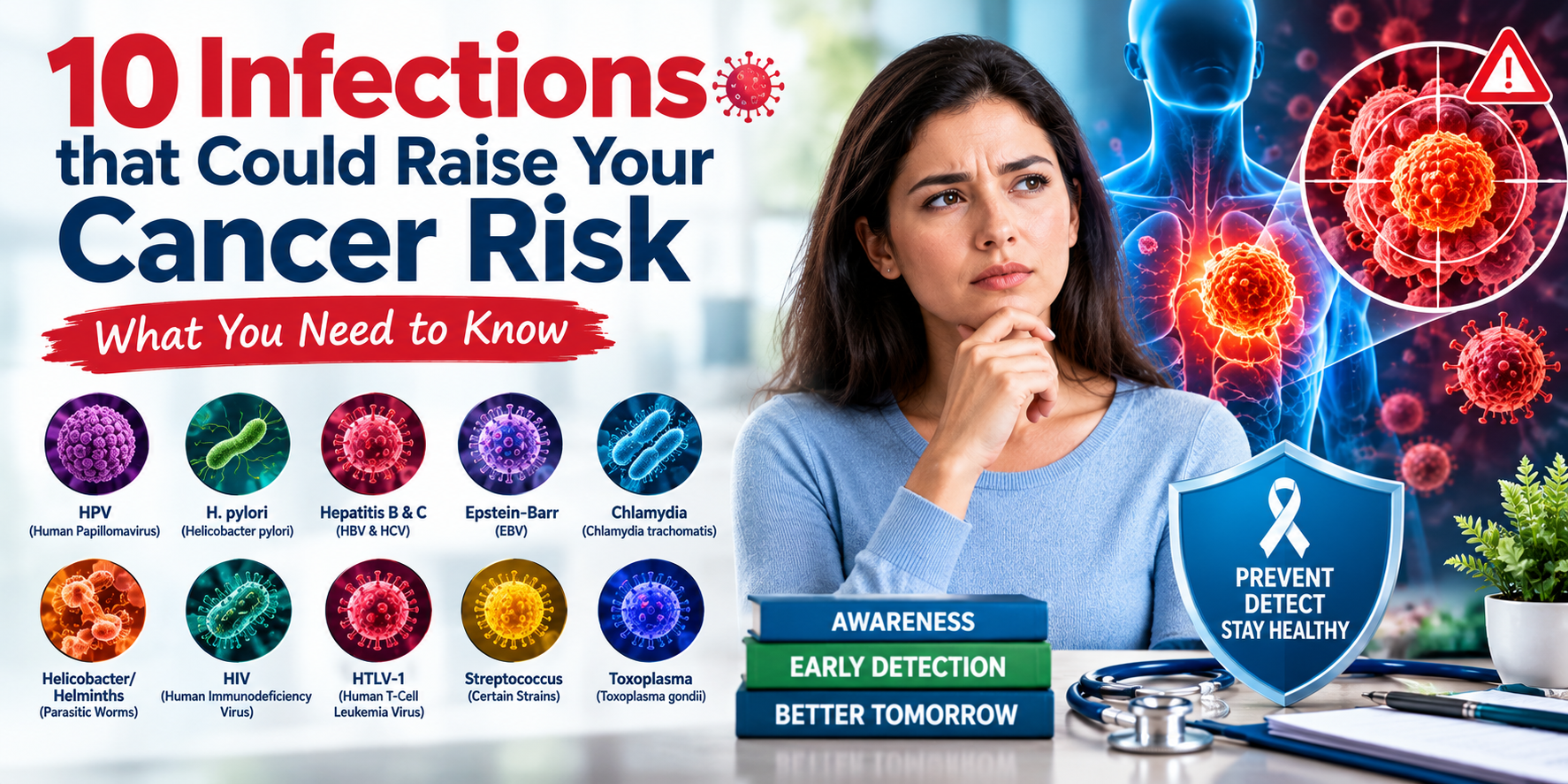
Cancer can develop for many reasons, including genetics, age, lifestyle, environmental exposure, and certain infections. Some viruses, bacteria, and parasites can cause long-lasting inflammation, damage cells, or interfere with the body’s normal growth controls. Over time, these changes may increase the risk of specific cancers. Learning about 10 infections linked to cancer can help people understand prevention, vaccination, screening, and early treatment. An infection does not mean someone will develop cancer, and many infected people never experience this outcome. Knowing which infections carry established risks helps people make informed health decisions and discuss appropriate preventive care with a qualified healthcare professional.
10 Infections That May Increase Your Cancer Risk
Scientists have identified several infectious agents that can increase the risk of certain cancers. The following 10 infections have important links to cancer, although the level of risk varies.
1. Human Papillomavirus (HPV)
Certain types of HPV can cause cervical, anal, penile, vaginal, vulvar, and oropharyngeal cancers. Most HPV infections clear naturally, but persistent infection with high-risk types can cause abnormal cell changes. HPV vaccination and recommended cervical screening can help prevent HPV-related cancers.
2. Hepatitis B (HBV)
Hepatitis B attacks the liver and can cause long-term inflammation, cirrhosis, and liver cancer. Some people carry the virus for years without noticeable symptoms. Hepatitis B vaccination offers strong protection against infection and helps reduce future liver cancer risk.
3. Hepatitis C (HCV)
Hepatitis C can cause chronic liver disease and liver cancer. The virus mainly spreads through infected blood, including shared needles or unsafe medical equipment. Modern antiviral medicines can cure most cases of hepatitis C and reduce the risk of serious liver complications.
4. Helicobacter pylori (H. pylori)
H. pylori is a bacterium that lives in the stomach lining. Long-term infection can cause stomach inflammation, ulcers, stomach cancer, and a rare type of stomach lymphoma. Doctors can detect the infection through appropriate tests and treat it with prescribed antibiotics and acid-reducing medicines.
5. Epstein-Barr Virus (EBV)
EBV spreads mainly through saliva and infects most people during their lifetime. The virus usually causes no serious long-term problems, but it contributes to certain lymphomas and nasopharyngeal cancer. No approved vaccine currently prevents EBV infection.
6. Human Immunodeficiency Virus (HIV)
HIV weakens the immune system and makes it harder for the body to control other infections linked to cancer. People living with HIV face higher risks of certain lymphomas, Kaposi sarcoma, and cervical cancer. Antiretroviral treatment controls HIV and helps protect immune function.
7. Human Herpesvirus 8 (HHV-8)
HHV-8, also called Kaposi sarcoma-associated herpesvirus, can cause Kaposi sarcoma and some forms of lymphoma. Many infected people never develop these cancers. People with weakened immune systems, including some people with untreated HIV, face a greater risk of related complications.
8. Human T-Lymphotropic Virus Type 1 (HTLV-1)
HTLV-1 spreads through certain body fluids, including blood, sexual contact, and breastfeeding. In a small proportion of infected people, it can cause adult T-cell leukemia/lymphoma, a rare cancer affecting immune cells. The infection often remains silent for decades.
9. Merkel Cell Polyomavirus (MCPyV)
MCPyV is a common virus that usually causes no symptoms. In rare cases, it contributes to Merkel cell carcinoma, an uncommon but aggressive type of skin cancer. Older adults and people with weakened immune systems face a higher risk. Protecting skin from excessive ultraviolet radiation also supports skin cancer prevention.
10. Schistosoma haematobium
This parasitic infection occurs in areas where people encounter contaminated freshwater. The parasite can damage the urinary tract and cause long-term inflammation that increases the risk of bladder cancer. Safe water practices, sanitation, and appropriate antiparasitic treatment help prevent and control schistosomiasis.
How to Reduce Infection-Related Cancer Risks
Prevention, early diagnosis, and appropriate treatment can lower the impact of many cancer-related infections. Simple steps can make a meaningful difference.
Get recommended vaccines. HPV and hepatitis B vaccines help prevent infections that contribute to several cancers. Ask a qualified healthcare professional about vaccine eligibility, timing, and local recommendations.
Consider appropriate screening and testing. HPV screening, hepatitis testing, and H. pylori testing may help identify certain infections or related health risks. Your age, symptoms, medical history, and local guidelines determine which tests you need.
Practice safer hygiene and infection prevention. Avoid sharing needles, use sterile medical equipment, and follow safe food and water practices. Safer sexual practices can reduce the spread of several infections. Properly cooking freshwater fish helps prevent infection from certain cancer-linked liver flukes.
Seek treatment when needed. Doctors can treat H. pylori, cure most hepatitis C infections, control HIV, and manage several parasitic infections. Follow prescribed treatment plans and attend recommended follow-up appointments.
Avoid unnecessary worry. An infection does not automatically lead to cancer. Many infections clear naturally, remain harmless, or never cause serious disease. Your healthcare professional can explain your personal risk and recommend appropriate next steps.
Conclusion: Knowledge and Prevention Can Help Protect Your Health
Understanding these 10 infections can help you make informed decisions about vaccination, testing, and preventive healthcare. HPV, hepatitis B, hepatitis C, H. pylori, and several other infectious agents have established links to specific cancers. Many related risks can decrease through effective vaccines, early diagnosis, and timely treatment. No infection guarantees a cancer diagnosis, and personal risk depends on several factors. Speak with a healthcare professional about your concerns and recommended screening. Visit DailyInfoRoom for more informative articles on health, disease prevention, and everyday wellness.