


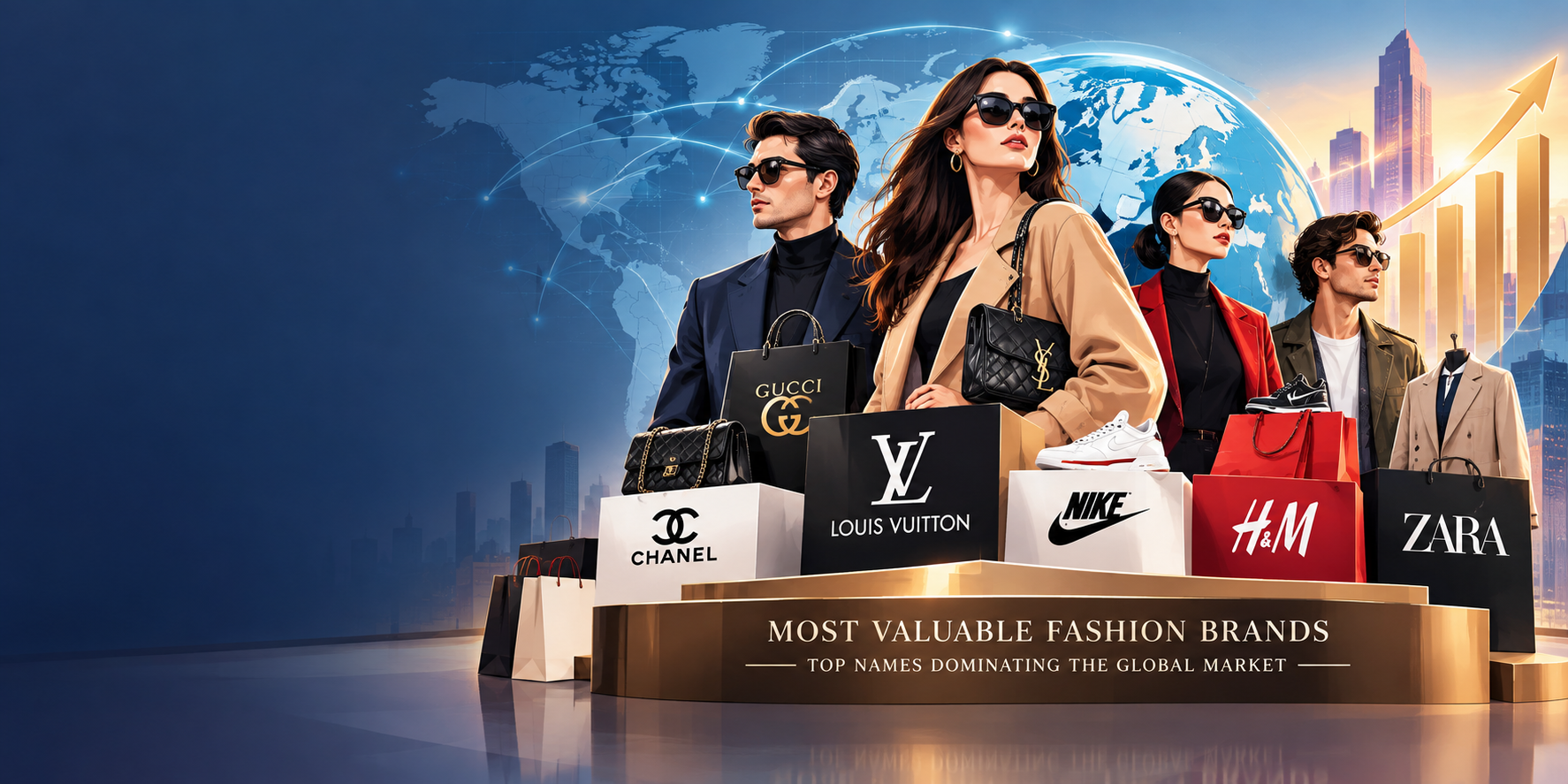
Fashion has grown into a powerful global industry that combines creativity, culture, technology, and business. Leading luxury companies build strong identities through distinctive designs, recognizable logos, premium products, and carefully managed customer experiences. Many Fashion Brands now reach customers through physical stores, websites, social media, celebrities, and digital platforms. Their value comes from more than clothing and accessories. Brand reputation, customer loyalty, global visibility, pricing power, and long term business performance also shape their position in the market. Companies such as Louis Vuitton, Chanel, Hermès, Gucci, Dior, and Prada have built strong international identities over decades. Understanding these leading names provides useful insight into how modern fashion companies create demand and maintain global recognition.
Leading Fashion Brands Shaping the Luxury Market
Louis Vuitton remains one of the most recognizable names in luxury fashion. The French brand began as a luggage company and developed into a global luxury house offering handbags, clothing, shoes, watches, jewelry, and other products. Its distinctive monogram has become one of the most recognizable symbols in fashion.
Chanel also holds a powerful position in the luxury industry. The company built its identity around timeless clothing, handbags, fragrances, and accessories. Chanel No. 5 remains one of the world’s best known fragrances. The brand maintains a strong connection with classic French fashion while continuing to introduce modern collections.
Hermès follows a different approach to luxury. The company focuses heavily on craftsmanship, materials, and limited production. Its Birkin and Kelly handbags have become highly recognizable luxury products. Hermès maintains strong demand through careful production and a reputation for exceptional craftsmanship.
Gucci represents another major name in the global luxury market. The Italian fashion house combines traditional Italian craftsmanship with bold designs and contemporary cultural influences. Gucci sells handbags, shoes, clothing, jewelry, fragrances, and other luxury products.
Dior has also developed a strong global identity. The French house operates across fashion, beauty, fragrances, accessories, and haute couture. Dior connects its heritage with modern creative direction and global marketing campaigns.
Prada brings Italian design and distinctive aesthetics to the luxury market. The brand has developed a reputation for combining traditional craftsmanship with modern and sometimes unconventional designs. Its handbags, clothing, footwear, and accessories attract customers across different international markets.
These companies demonstrate how Fashion Brands can build lasting value. Each company uses its own design language, heritage, product strategy, and marketing approach. Strong branding helps these businesses compete in a market where customers often purchase products for identity, craftsmanship, status, and design as well as practical use.
How Fashion Brands Build Global Value and Customer Loyalty
A strong brand identity plays a central role in the success of luxury fashion companies. Customers often recognize a product before they see its name because of its colors, patterns, shapes, materials, or signature details. Consistent visual identity helps companies remain memorable across international markets.
Quality also influences customer loyalty. Luxury consumers often expect premium materials, careful construction, and detailed finishing. Companies that maintain consistent quality can strengthen customer trust and encourage repeat purchases.
Pricing creates another important part of luxury fashion strategy. High prices can reflect expensive materials, craftsmanship, marketing, retail operations, and brand positioning. Luxury companies also use limited availability for certain products to create exclusivity and maintain customer interest.
Celebrity partnerships and cultural influence have become important marketing tools. Fashion companies work with actors, musicians, athletes, models, and other public figures to reach large audiences. Social media has expanded this strategy by allowing brands to communicate directly with millions of potential customers.
Digital shopping has also changed the fashion industry. Customers can explore collections, watch fashion shows, compare products, and purchase items through online platforms. Luxury companies continue to invest in digital experiences while maintaining physical stores that provide personalized service.
Sustainability has gained attention across the fashion industry as consumers examine materials, production methods, packaging, and environmental impact. Many Fashion Brands now discuss recycled materials, responsible sourcing, supply chain practices, and longer product life. Consumer expectations continue to influence how companies approach these issues.
Innovation also helps established brands remain relevant. Luxury companies can protect their heritage while introducing new designs, technologies, collaborations, and retail experiences. This balance allows traditional brands to connect with younger consumers without abandoning their identity.
Global expansion gives fashion companies access to new customer groups. Growing luxury markets across Asia, the Middle East, Europe, and North America provide opportunities for established brands. Economic conditions, changing consumer preferences, currency movements, and tourism can influence luxury demand in each region.
The fashion market continues to change, but strong brands often rely on several foundations: recognizable identity, consistent quality, creative design, customer loyalty, effective marketing, and global reach. These factors help explain why certain fashion houses maintain strong positions across generations.
Conclusion: The Future of Global Fashion Leaders
The world’s leading Fashion Brands have built their positions through strong identities, creative design, craftsmanship, customer loyalty, and global marketing. Louis Vuitton, Chanel, Hermès, Gucci, Dior, and Prada show different approaches to luxury and brand building. Digital shopping, social media, sustainability, and changing consumer preferences continue to reshape the industry. Successful fashion companies must protect their heritage while responding to new market demands. Their continued growth will depend on creativity, customer trust, innovation, and responsible business practices. Visit DailyInfoRoom for more informative content about fashion, lifestyle, business, technology, and global trends.












