


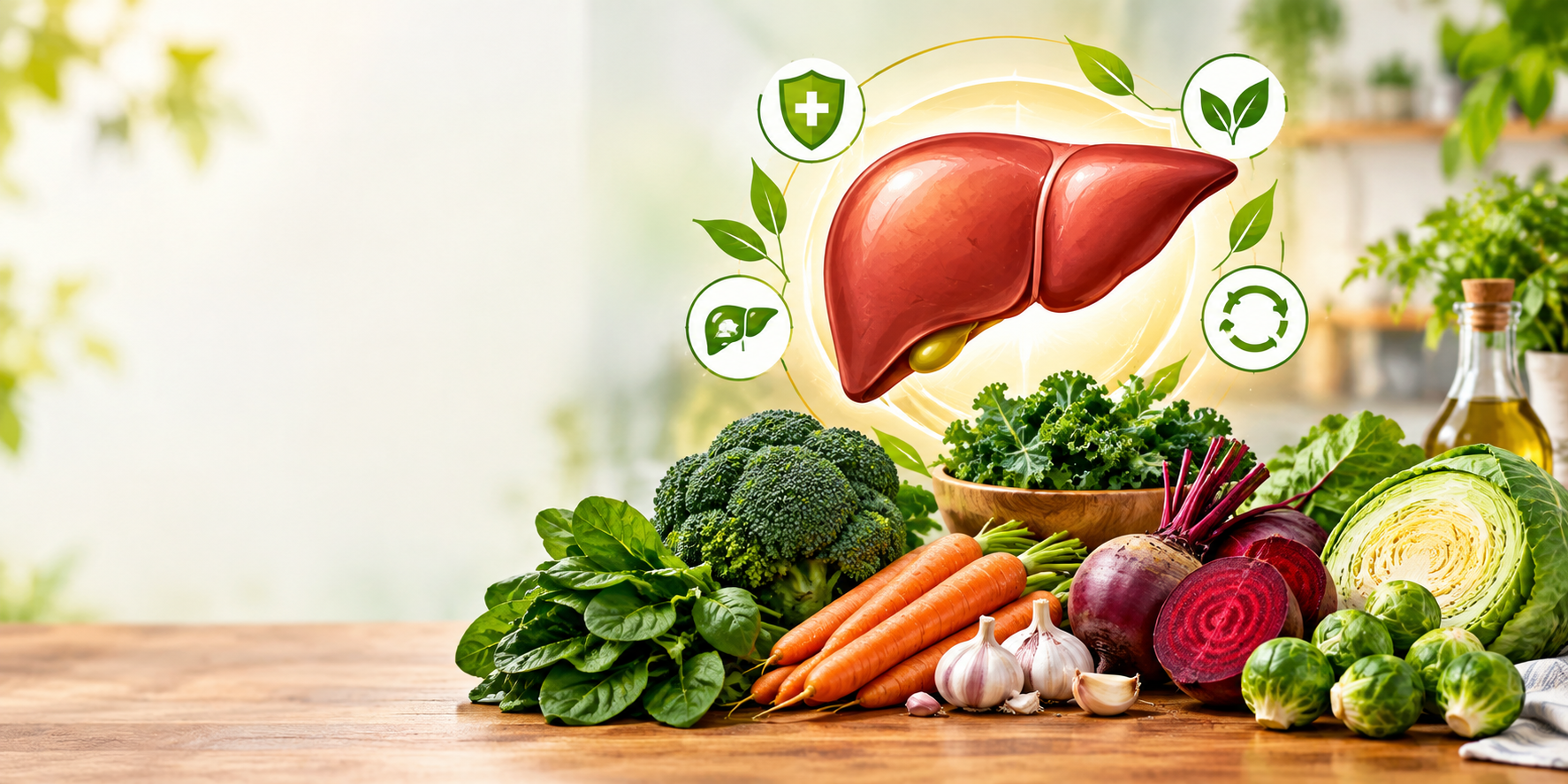
The liver performs many essential jobs that help the body function properly. It processes nutrients, supports digestion, stores energy and helps remove harmful substances from the bloodstream. A balanced diet can support normal liver function and contribute to overall health. Vegetables provide fiber, vitamins, minerals and plant compounds that can complement a healthy eating pattern. People who want to Boost Liver Health can include a variety of colorful vegetables in their weekly meals instead of relying on one food. Vegetables cannot cure liver disease, but regular consumption can support a nutritious diet and healthy body weight. Understanding which vegetables offer useful nutrients can help people create simple meals that support long term wellness.
5 Vegetables That Support Healthy Liver Function
1. Broccoli
Broccoli provides fiber, vitamin C, vitamin K and several plant compounds. Cruciferous vegetables such as broccoli contain compounds that researchers continue to study for their possible effects on liver metabolism and antioxidant defenses.
People can add broccoli to salads, soups, stir fries or roasted vegetable dishes. Light steaming can create a simple side dish without adding large amounts of fat or salt.
2. Spinach
Spinach provides folate, vitamin A, vitamin C, vitamin K and several minerals. It also contains antioxidants and plant compounds that support a nutrient rich diet.
Fresh spinach works well in salads, omelets and sandwiches. People can add cooked spinach to soups, curries and vegetable dishes. Regular portions can increase vegetable intake without adding many calories.
3. Beetroot
Beetroot contains folate, potassium, fiber and naturally occurring plant compounds called betalains. These pigments give beetroot its deep red color and provide antioxidant properties.
People can eat beetroot roasted, boiled or grated into salads. Beetroot juice has gained popularity in wellness routines, but whole beetroot provides fiber that juice contains in much smaller amounts.
4. Carrots
Carrots provide beta carotene, fiber and several vitamins and minerals. The body converts beta carotene into vitamin A, which supports normal vision and immune function.
Carrots work well as a snack or as part of soups, salads and cooked meals. Eating carrots with a small amount of healthy fat can help the body absorb fat soluble nutrients such as carotenoids.
5. Cauliflower
Cauliflower belongs to the cruciferous vegetable family along with broccoli, cabbage and Brussels sprouts. It provides vitamin C, vitamin K, folate and fiber.
People can roast cauliflower, add it to soups or use it in vegetable based dishes. Replacing some highly processed foods with vegetables such as cauliflower can improve overall dietary quality.
How to Include These Vegetables in a Healthy Weekly Diet
A healthy liver friendly diet should include variety. Eating one vegetable repeatedly cannot provide every nutrient the body needs. People can rotate broccoli, spinach, beetroot, carrots and cauliflower throughout the week and combine them with other vegetables, fruits, whole grains, legumes, fish, eggs or other nutritious protein sources.
People who want to Boost Liver Health should pay attention to overall eating habits. Excessive alcohol consumption can damage the liver. Highly processed foods, sugary drinks and excessive calorie intake can contribute to weight gain and metabolic problems that may affect liver health.
Fiber deserves special attention because vegetables provide an important source of dietary fiber. Fiber supports digestion and helps people build satisfying meals. Beans, lentils, oats, whole grains, fruits and nuts can provide additional fiber.
Healthy cooking methods can make vegetables easier to include regularly. Steaming, roasting, grilling and lightly sautéing can preserve flavor while limiting excessive oil. Large amounts of butter, creamy sauces and salt can add unnecessary calories and sodium.
Hydration matters as part of general health. Water remains a simple beverage choice for most people. Sugary drinks can add large amounts of calories without providing the same nutritional value as whole foods.
Physical activity can complement a healthy diet. Regular movement supports healthy body weight and metabolic health. Maintaining a healthy weight can reduce the risk of conditions that affect liver function.
People with liver disease need personalized medical advice. Diet changes can support overall health, but vegetables cannot reverse serious liver conditions on their own. Anyone with symptoms such as persistent abdominal swelling, yellowing of the skin or eyes, unexplained weight loss or unusual fatigue should seek medical evaluation.
People should avoid extreme detox diets that promise to cleanse or repair the liver quickly. The liver already performs its own metabolic and detoxification functions. A balanced diet, regular activity, appropriate medical care and healthy lifestyle habits provide a more sensible approach to supporting normal liver function.
Conclusion: Build Better Liver Health Through Everyday Food Choices
Vegetables can play an important role in a balanced diet that supports normal liver function. Broccoli, spinach, beetroot, carrots and cauliflower provide fiber, vitamins, minerals and beneficial plant compounds. People can enjoy these vegetables in different meals throughout the week and combine them with other nutritious foods. No single vegetable can prevent or cure liver disease. Consistent healthy eating matters more than a short term detox plan. People with existing liver problems should follow advice from qualified healthcare professionals. For more practical nutrition, health and wellness information, visit DailyInfoRoom and discover more useful content for everyday living.












