


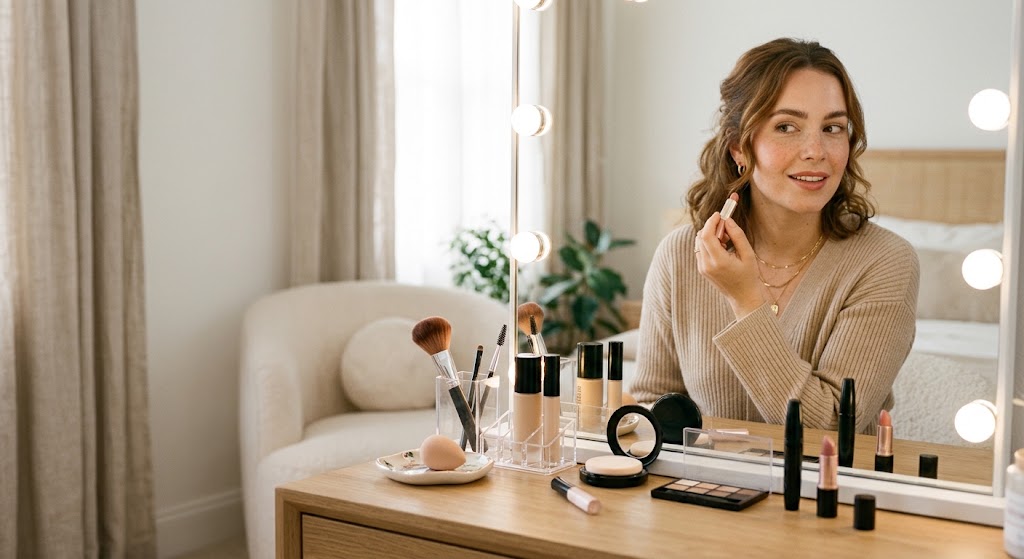
Makeup intimidates most beginners because the beauty industry presents it as a complex art form requiring professional training, an extensive product collection, and years of practice before anyone can apply it confidently. The truth is far more accessible and encouraging than beauty marketing suggests. Makeup at its core involves a small number of fundamental steps that anyone can learn within a few dedicated practice sessions using basic products that work across all skin types and tones. Getting started with makeup does not require spending hundreds of dollars on a full product arsenal or watching hours of tutorial videos before touching a brush to your face. This guide walks you through every essential step with clear instructions that produce real results from your very first attempt.
Preparing Your Skin and Building the Makeup Base That Makes Everything Look Better
Every professional makeup artist confirms that skin preparation determines the quality of the finished makeup result more than the products themselves. A well-prepared skin base allows makeup to apply smoothly, last longer, and look more natural throughout the day.
Cleanse and Moisturize Before Every Application
Clean skin provides the foundation that all makeup application builds upon. Cleanse your face with a gentle cleanser appropriate for your skin type, removing overnight oils, environmental pollutants, and any residual skincare products that would interfere with makeup adhesion.
Apply moisturizer immediately after cleansing and allow it to absorb for two to three minutes before applying any makeup products. Moisturized skin prevents foundation from settling into dry patches, reduces the powdery appearance that makeup develops on dehydrated skin, and creates the smooth surface that every makeup application technique works best against.
People with oily skin benefit from lightweight gel moisturizers that hydrate without adding excess oil that accelerates makeup breakdown. People with dry skin need richer cream moisturizers that provide the hydration barrier preventing makeup from adhering unevenly to dry areas across the cheeks and forehead.
Apply Primer for Longer-Lasting Results
Makeup primer creates a smooth, slightly tacky surface that helps foundation and other products adhere to skin more effectively and resist the natural oils, sweat, and facial movements that cause makeup to fade throughout the day. Apply a pea-sized amount of primer across the entire face after moisturizer has fully absorbed, using fingertips to smooth it evenly from the center outward.
Beginners frequently skip primer because it seems like an unnecessary extra step, but the difference in makeup longevity between primed and unprimed skin becomes apparent by midday when primed makeup still looks fresh and unprimed makeup has faded significantly in the areas where facial movement and oil production are most active.
Choose and Apply Foundation Correctly
Foundation creates the even skin tone base that makes the most significant visual difference in a complete makeup look. Match your foundation shade to your neck color rather than your face color, since faces are often slightly different in tone from the neck and chest. Test foundation shades along your jawline in natural daylight before purchasing to identify the closest match.
Apply foundation using a damp makeup sponge, a foundation brush, or clean fingertips depending on personal preference and the coverage level desired. A damp sponge blends foundation most seamlessly into skin for a natural finish that beginners find easiest to achieve consistently. Blend foundation outward from the center of your face, working it down onto the neck slightly to prevent visible foundation lines at the jaw.
Conceal Problem Areas After Foundation
Apply concealer after foundation rather than before to address any remaining imperfections that foundation coverage did not fully eliminate. Use a shade slightly lighter than your foundation under the eyes to brighten the area and reduce the appearance of dark circles that fatigue and genetics create.
Pat concealer gently under the eyes using the ring finger, which applies the least pressure and distributes product most delicately around the thin skin in this area. Patting motion rather than rubbing prevents the dragging that stretches this sensitive skin and creates the creasing that beginners most commonly experience with under-eye concealer application.
Adding Color and Definition to Complete Your Makeup Look
The base products create the canvas. Color and definition products bring a makeup look to life with the warmth, dimension, and eye enhancement that transform a simple skin-evening routine into a complete polished appearance.
Define Your Brows for Instant Face-Framing Impact
Eyebrows frame the face more powerfully than any other facial feature, and well-groomed, defined brows create a polished appearance even when the rest of the makeup remains minimal. Choose a brow pencil or powder in a shade matching your natural brow hair color and use short, light strokes that mimic the appearance of natural brow hairs rather than drawing solid lines that look artificial.
Fill sparse areas within your existing brow shape by building product gradually in light layers rather than applying heavy color in a single application. Brushing brow product through the hairs using a spoolie brush after application blends it naturally and removes excess product that would create an overdone appearance that beginners frequently want to avoid.
Apply Blush for Healthy Color and Warmth
Blush adds the warmth and healthy glow that a foundation-covered face loses when all natural skin variation is evened out. Smile naturally and apply blush powder or cream to the apples of the cheeks, blending upward toward the temples with a fluffy blush brush in light circular motions.
Powder blush works best over powder or matte foundation finishes. Cream blush blends more naturally over liquid and serum foundations, integrating into the base makeup rather than sitting on top of it. Start with less product than you think necessary and build intensity gradually, since removing excess blush requires reapplying foundation over the area rather than simply buffing it away.
Coral, peach, and rose shades work universally across skin tones for everyday makeup looks. Berry and mauve shades suit deeper skin tones particularly well. Light peachy pinks complement fair skin tones beautifully without appearing harsh against lighter complexions.
Mascara Transforms the Eyes With One Simple Step
Mascara delivers more visual impact per product than any other makeup item, opening and defining the eyes with a single product that even complete beginners apply successfully from their first attempt. Curl your lashes before mascara application using an eyelash curler, holding the curl position for ten seconds at the lash base for maximum lift.
Apply mascara starting at the lash base and wiggling the wand from side to side as you draw it outward toward the lash tips. This zigzag motion coats each lash individually and adds the separation that prevents the clumping that beginners most commonly experience when applying mascara in straight upward strokes without wiggling.
Two thin coats of mascara create more volume and length than one thick coat and reduce the risk of clumping significantly. Allow the first coat to dry for thirty seconds before applying the second to maintain lash separation throughout both application layers.
Add Lip Color as the Final Makeup Step
Lip color completes a makeup look and adds color payoff that the eyes and cheeks alone cannot provide with equivalent visual impact. Beginners find tinted lip balms and cream lipsticks in natural shades the most forgiving starting options because they require no precise application technique to look intentional and polished.
Apply lipstick directly from the bullet or use a lip brush for more precise application around the lip borders. Blot once with a tissue after the first layer and reapply for longer-lasting color that resists transfer onto cups and clothing more effectively than a single unblotted application.
Nude and pink shades provide the most versatile everyday makeup options for beginners building confidence with lip color before exploring bolder reds, berries, and corals that draw more attention and require more precise application to look intentional.
Set Your Makeup to Extend Its Wear
Setting spray or translucent setting powder extends the wear of completed makeup by sealing all applied products against the facial oils, humidity, and movement that cause makeup to fade throughout the day. Spray setting spray from arm’s length in an X and T pattern across the face, allowing the fine mist to settle naturally without touching or blending it into the skin.
Setting powder applied lightly across the T-zone where oil production concentrates most heavily reduces the shine that oily skin develops in the hours following makeup application. Use the smallest amount of powder that achieves the desired matte effect to avoid the powdery or cakey appearance that excessive powder application creates over liquid foundation.
Conclusion:
Makeup mastery comes from consistent practice rather than immediate perfection, and every beginner who applies these steps repeatedly develops the muscle memory and product knowledge that transforms uncertain first attempts into confident daily routines. Start with the products that address your most important concerns, practice each step until it feels natural, then add additional products and techniques as your confidence grows. Beautiful makeup does not require expensive tools or professional training. It requires patience, practice, and a willingness to learn from the imperfect early results that every skilled makeup artist once produced before developing their current expertise. For more beauty guides, skincare content, step-by-step tutorials, and practical lifestyle advice that helps you look and feel your best every day, visit DailyInfoRoom where the knowledge that builds confidence finds the readers ready to apply it.












