


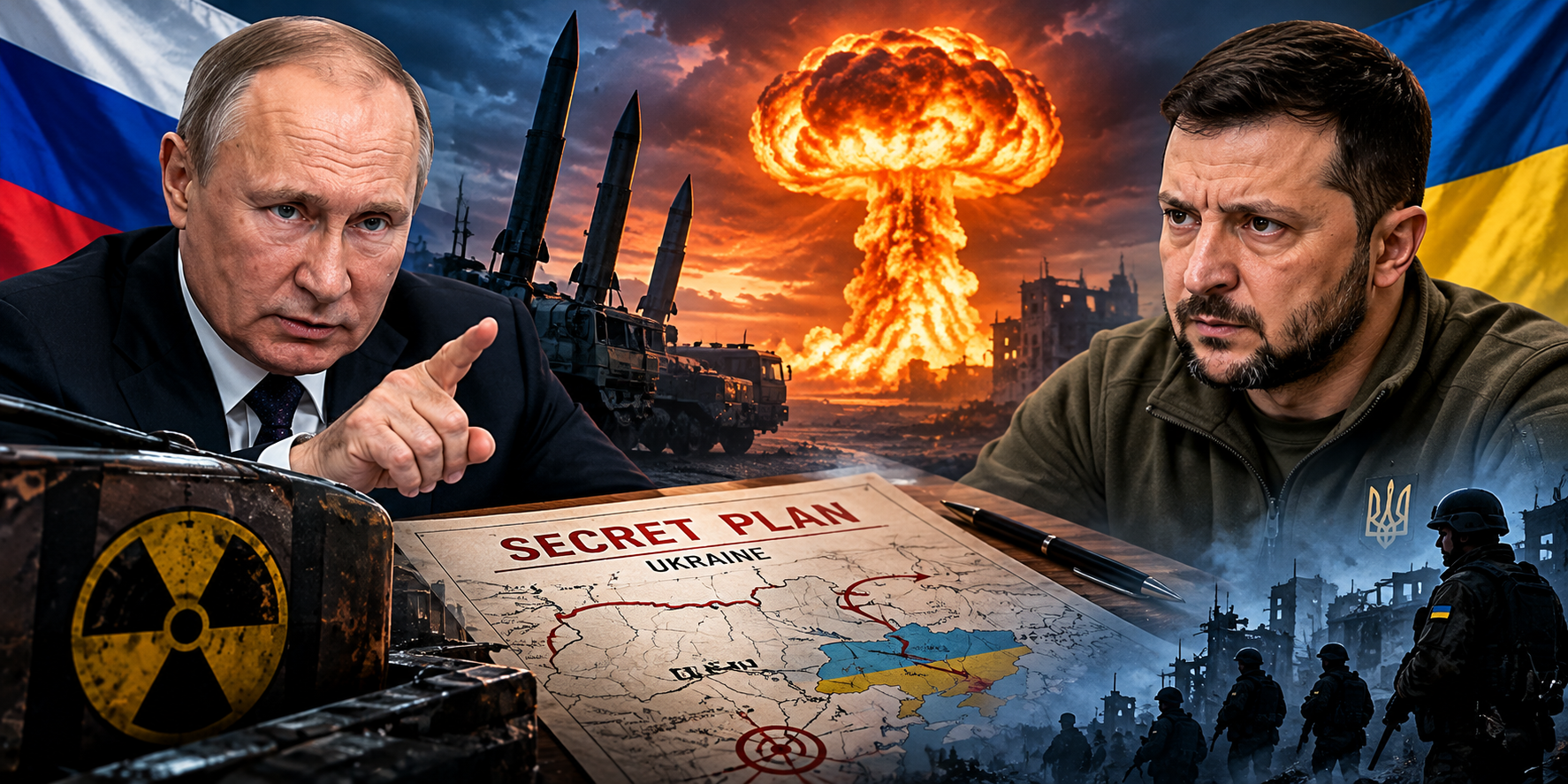
The Putin Nuclear Threat continues to raise concerns across Europe as Russia’s war against Ukraine enters another dangerous phase. Russian President Vladimir Putin has repeatedly warned Western countries against actions that Moscow considers a threat to its security. On October 1, 2026, Putin said Russia could use all available weapons, including nuclear arms, if its Kaliningrad exclave faced a serious threat. Ukrainian President Volodymyr Zelenskyy continues to seek stronger military support, improved air defence, and greater security guarantees from Western partners. His Victory Plan also included a classified component, which attracted attention because officials did not disclose every detail. Understanding these developments requires separating confirmed facts from speculation
Putin Nuclear Threat: Why Russia Is Warning the West
Russia possesses one of the world’s largest nuclear arsenals, giving its statements about nuclear weapons significant international importance. Putin uses nuclear warnings to communicate the potential consequences of direct military confrontation with Russia. His statements also seek to influence decisions by NATO members that provide weapons, intelligence, and financial assistance to Ukraine.
Putin’s October 2026 warning focused on Kaliningrad, a Russian territory on the Baltic Sea between Poland and Lithuania. The region holds strategic importance because of its military facilities and location near several NATO members. Moscow has expressed concern about potential restrictions on access to the territory. Putin said Russia would defend its territory with available weapons if it faced an attack.
Nuclear rhetoric creates a difficult challenge for Western governments. Leaders want to help Ukraine defend itself, but they also need to reduce the risk of a direct conflict between Russia and NATO. Governments must assess military assistance, deterrence, diplomatic communication, and the possibility of escalation.
Russia’s nuclear warnings do not prove that Putin has decided to use nuclear weapons. Analysts distinguish between deterrence statements, political pressure, changes in military posture, and concrete preparations for nuclear use. Each development requires careful examination.
The war has also increased attention to conventional weapons. Russia continues to use missiles and drones against Ukrainian targets, while Ukraine attacks Russian military and energy infrastructure. These operations influence battlefield conditions and place additional pressure on both countries. Zelenskyy has repeatedly asked international partners for air defence systems, weapons, and intelligence support to protect Ukrainian cities and infrastructure
Zelenskyy’s Classified Plan and Ukraine’s Response
Zelenskyy introduced his Victory Plan in October 2024 as a strategy to strengthen Ukraine’s position against Russia. The plan included five main points and three additional components that he described as classified. Its publicly disclosed proposals included an invitation for Ukraine to join NATO, stronger military assistance, expanded deterrence measures, economic cooperation with allies, and a future role for Ukraine in European security.
One notable proposal called for a non-nuclear strategic deterrence package. The proposal aimed to strengthen Ukraine’s security without relying on the development or use of nuclear weapons. The existence of classified components attracted public attention, but available reporting does not establish that Zelenskyy had a secret plan to launch a nuclear attack against Russia.
Ukraine’s strategy focuses on strengthening its ability to resist Russian military pressure. Zelenskyy has sought more advanced air defence, long-range capabilities, financial assistance, and security commitments from European and North American partners. Ukraine also continues to develop its domestic defence industry, including drone technology and missile capabilities.
The classified parts of a national security plan may contain sensitive assessments, diplomatic proposals, or details that leaders do not want to reveal to an opposing government. Their secrecy does not automatically prove the existence of a dramatic hidden operation. Responsible reporting must distinguish disclosed policies from unverified claims.
Ukraine’s relationships with its Western partners remain important to its defence. European countries have increased support in several areas, although disagreements over funding, military priorities, and diplomatic approaches continue. Zelenskyy must balance Ukraine’s immediate battlefield needs with the long-term goal of securing dependable international support.
The nuclear issue adds another layer of complexity. Russia wants to deter direct intervention by NATO, while Ukraine seeks enough assistance to defend its territory. Both goals shape diplomatic discussions, military planning, and public statements. Clear communication and arms-control efforts can help reduce misunderstandings during periods of heightened tension.
Conclusion: Nuclear Warnings and Ukraine’s Search for Security
The Putin Nuclear Threat highlights the risks of escalating tensions between Russia and Western countries. Putin’s warnings about Kaliningrad underline Moscow’s stated willingness to defend its territory with all available weapons. Zelenskyy’s Victory Plan seeks stronger military support and security guarantees, and its classified components have fueled speculation. Public evidence does not establish that Ukraine has a secret nuclear attack plan. Careful reporting, responsible diplomacy, and reliable defence commitments remain essential to managing the conflict. Visit DailyInfoRoom for more informative articles on international security, geopolitics, and world news.












